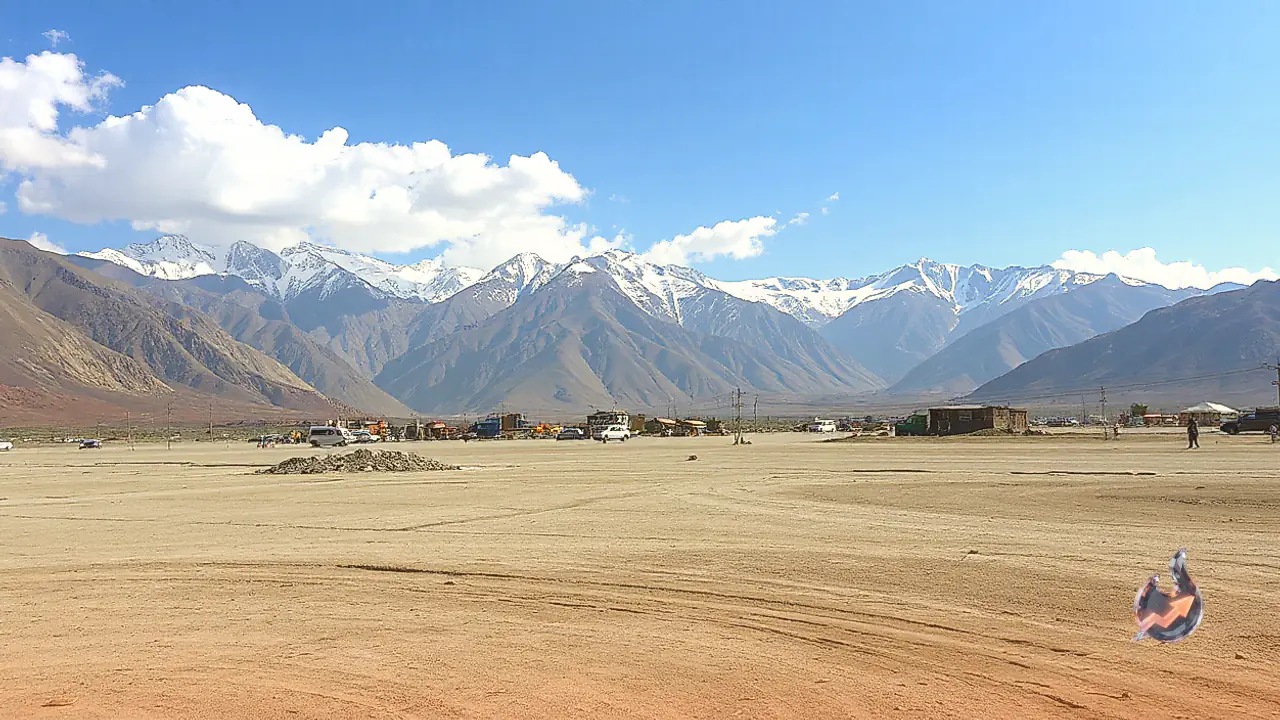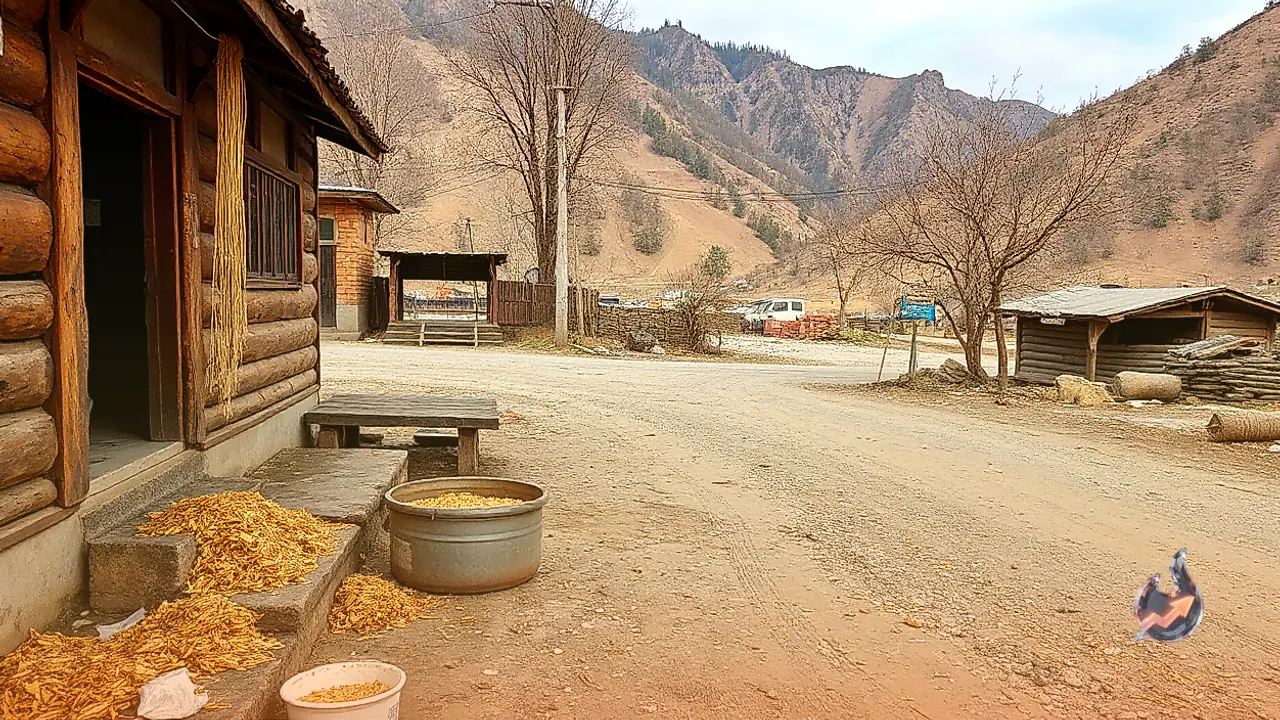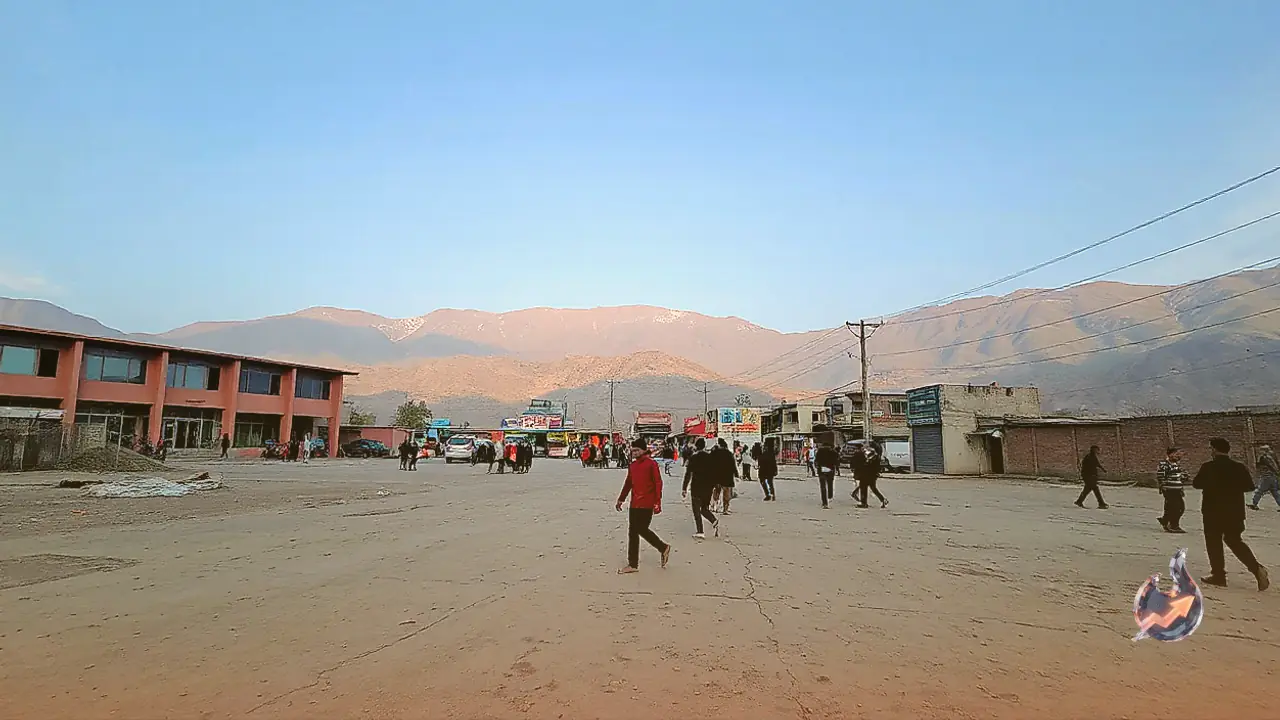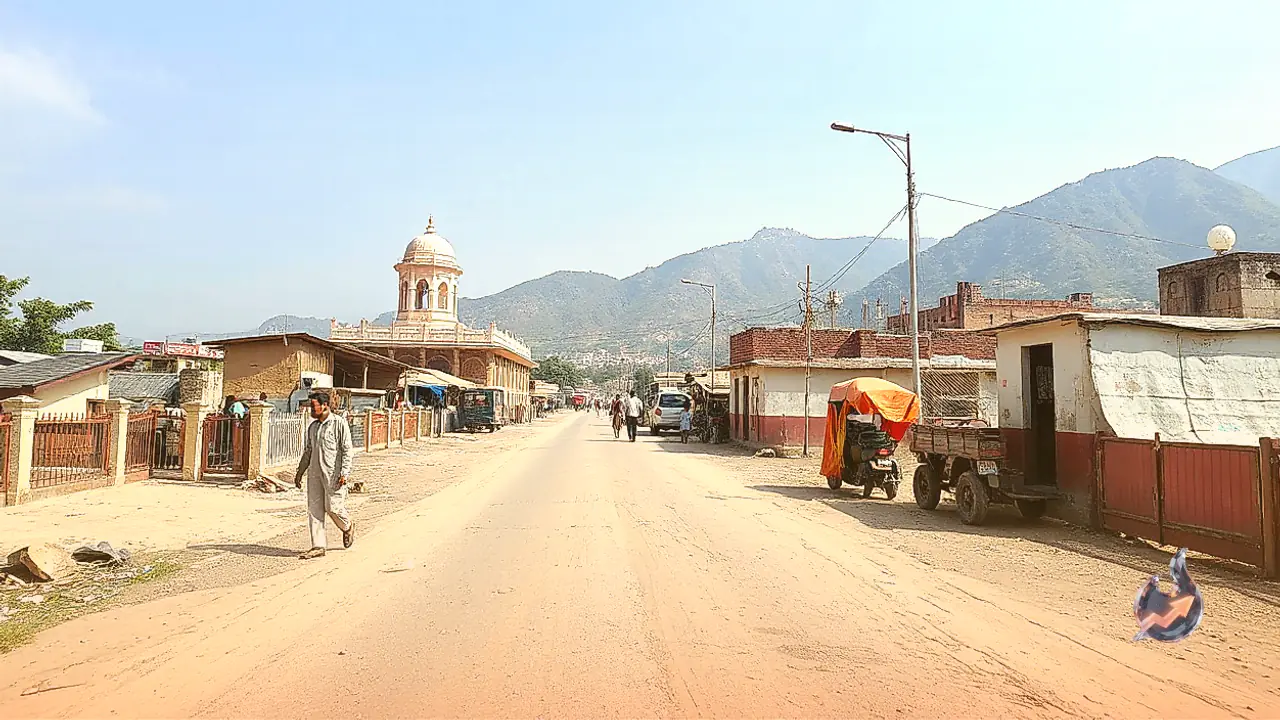

Situated roughly 11 kilometers from Nainital at an elevation of 1,706 meters above sea level, Bhowali serves as the primary entry gateway to the Kumaon region of Uttarakhand. The town functions as a critical transport junction connecting major hill destinations including Nainital, Almora, Ranikhet, Bhimtal, and Mukteshwar. Beyond its geography as a link between the plains and the higher Himalayas, Bhowali is celebrated for its scenic natural surroundings, commercial legacy, and deep historic roots.
Crucial Stopover for Kainchi Dham Devotees
The world-famous Kainchi Dham Ashram, established by Saint Baba Neem Karoli Maharaj, is located just 8 kilometers from Bhowali. Every year, thousands of pilgrims from across India and abroad travel to the shrine to seek blessings. Bhowali acts as an essential transit point and rest halt for these travelers. The stretch connecting Bhowali to Kainchi Dham runs through lush green hills and picturesque mountain scenery, making a stop at Bhowali an indispensable part of the spiritual journey.
Rich Heritage from the Chand Dynasty to the Colonial Era
Bhowali boasts an ancient and intriguing history. According to Nainital-based historian Professor Ajay Rawat, Bhowali's historical timeline is as old as that of Almora. When Almora became the capital of Kumaon under the Chand kings, Bhowali served as a vital resting stop for travelers and traders trekking down toward the Bhabar and Terai plains. Travelers relied on the town to recuperate during long journeys across the mountain terrain.
Colonial Transformation into a Trade and Horticulture Hub
During British rule, Bhowali acquired significant commercial and administrative importance. The British administration developed the town into a major fruit trading hub (fruit mandi). High-quality apples, peaches, and other mountain fruits harvested in nearby regions like Ramgarh and Mukteshwar were brought to Bhowali for sorting and distribution across Kumaon and the plains. As a result, Bhowali rapidly evolved into a commercial powerhouse for mountain agriculture.
The town's expansion under the British extended beyond fruit trading into active agricultural and industrial development. Historian Professor Ajay Rawat notes that British officials actively promoted potato farming and commercial fruit cultivation in the region. Tea plantations were established in nearby Ghorakhal, while a turpentine oil processing factory and a fisheries center were set up directly in Bhowali. These initiatives established the town as a center for horticulture, agriculture, and early regional industry.
Traditional Bhotia Market and Mountain Architecture
The historic main market in Bhowali remains a vibrant commercial space for both residents and visitors. It houses shops selling apparel, regional sweets, household goods, and daily essentials, maintaining a traditional Pahadi aesthetic. Within this commercial district lies the Bhotia Market, managed by members of the local Bhotia community, offering traditional woolen attire, bangles, and everyday items.
Several heritage buildings throughout Bhowali reflect its historical role as a trade and transit center. Although modern structures and shops have expanded in recent decades, colonial-era architecture and traditional mountain design elements remain visible across the town's older neighborhoods.
Spiritual Landmark: Maa Nanda-Sunanda Temple
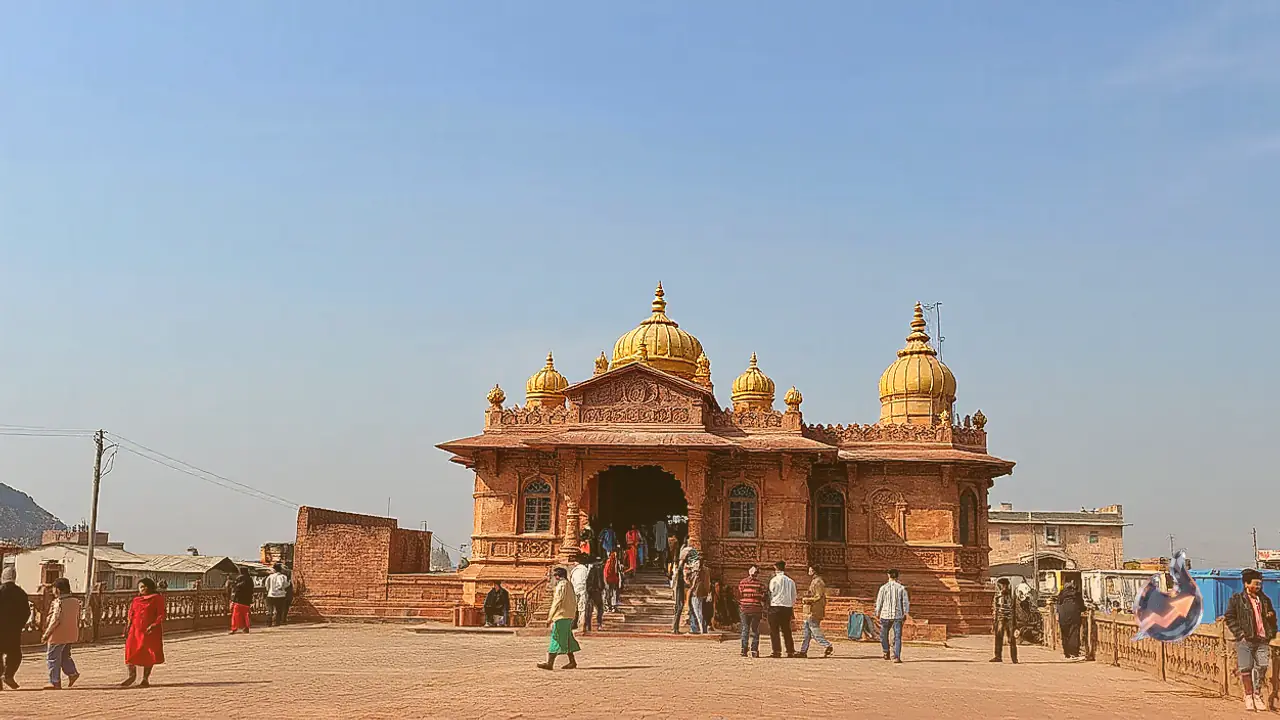
Bhowali holds significant religious importance, notably marked by the roadside Maa Nanda-Sunanda Temple. Dedicated to the revered guardian deities of the Kumaon region, Maa Nanda and Maa Sunanda, the temple hosts daily rituals and prayers. During the annual Nanda Devi festival, local residents gather to participate in traditional rituals, including the ceremonial decoration and procession of the goddess's palanquin (Dola).
Narrow Roads and Traffic Congestion Challenges
Despite its appeal and heritage, Bhowali faces infrastructure challenges stemming from its historical layout. The roads branching inward from the central Bhowali intersection (Bhowali Chauraha) remain narrow. As traffic volumes increase from tourists heading toward nearby hill stations and pilgrims traveling to Kainchi Dham, heavy congestion frequently develops. Traffic jams are particularly common during peak weekend travel windows and summer holiday seasons.