





















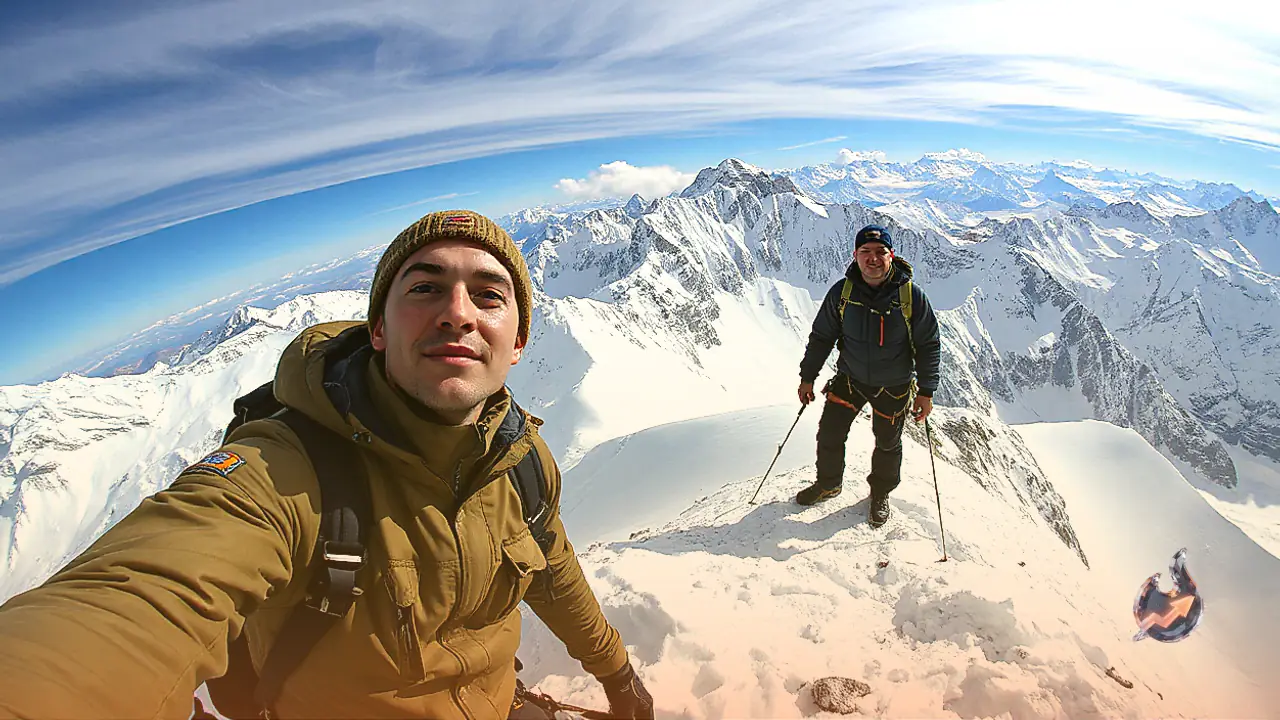

A mountaineering expedition in the Khumbu region of northeastern Nepal ended in tragedy following the death of a 57-year-old German climber, Wolfgang Waschkies. Having accomplished the demanding ascent of the 6,814-meter Ama Dablam summit, Waschkies was preparing to continue his downward journey from Camp 3 when he lost his footing and plunged approximately 1,500 to 1,700 meters down a precipitous ice wall. The incident marks the first confirmed fatality on the iconic Himalayan peak during the ongoing autumn climbing calendar, underscoring the razor-thin margin for error present at extreme altitudes.
Descent and Overnight Stop at High Camp
According to accounts provided by Bodhraj Bhandari, Managing Director of the expedition agency Snowy Horizon, Waschkies along with his climbing partner Sonam Lama had successfully stood atop the summit on Sunday. Following the customary summit celebration, the pair carefully negotiated their way back down to Camp 3 by evening. In order to endure the freezing temperatures overnight, they borrowed sleeping bags and supplementary survival equipment from other teams positioned at the camp, resting through the night without incident.
A Brief Departure Ends in Sudden Disappearance
Around 8:00 AM the following morning, preparations were underway to pack up and resume the descent toward lower ground. Guide Sonam Lama instructed Waschkies to stay put while tethered to safety gear before stepping away to return the borrowed sleeping bag to a neighboring tent. Bhandari noted that when Lama returned in less than five minutes, Wolfgang had completely vanished from the ledge. The sudden absence of the veteran climber in such a short window immediately triggered alarm across the mountain.
Missing Footwear Traction on Glassy Ice
Lama promptly communicated emergency distress messages to base camp personnel and dedicated mountain rescue squads. Preliminary examinations revealed that Waschkies had not attached traction crampons to his mountaineering boots while standing upon the slope. On the frozen, bullet-hard ice crust typical of high Himalayan slopes, standard rubber boot soles offer virtually no grip. Specialists believe that a slight shift in balance caused an irreversible slide that sent him hurtling over the drop-off.
Aerial Search Discovers Body Near 4,500 Meters
Gokul Thapa, head of the agency Real Himalaya, noted that Waschkies had been seen alive for the final time within the confines of Camp 3. Search and rescue operators flying aerial sweeps in a chartered helicopter subsequently located his body among rocky crags roughly two kilometers down the mountain face at an altitude of approximately 4,500 meters. The drop represented a vertical free-fall of nearly 1,700 meters from Camp 3. Emergency teams recovered the body by air and transferred it to a medical facility in Kathmandu for formal post-mortem examinations.
Heightened Hazards on Himalayan Peaks This Season
Located in the Solukhumbu district near Mount Everest, Ama Dablam attracts experienced technical alpinists globally due to its dramatic pyramidal profile, sheer rock ribs, and delicate flutings. Official tourism figures indicate that over 300 mountaineers secured permits to climb the peak during this September-to-November window. The fatality follows a spate of high-altitude disasters across the broader region, including the deaths of two Japanese mountaineers buried by an avalanche in western Nepal and an incident on a Pakistani mountain that claimed the lives of 10 climbers, highlighting how swiftly severe weather or momentary lapses can turn deadly.