



















Hungary has formally opened its extensive collection of communist-era secret police archives to the public, marking a major turning point in the nation's reckoning with its authoritarian past. The release, announced at the state archives in Budapest, brings to light surveillance registers that had remained largely under lock and key since the collapse of the regime. Authorities have framed the move as a vital step toward healing the societal scars left by 45 years of communist rule, arguing that genuine reconciliation requires confronting long-buried truths. Nevertheless, the decision has reignited fierce national controversy, with opponents warning that releasing fragmented dossiers decades after the fact will trigger needless family turmoil and widespread misjudgment.
A Release Rooted in the Memory of 1956
The timing of the disclosure carries profound historical resonance across Hungary. On 4 November 1956, Soviet military armor moved through Budapest and other cities to crush the country's brief national revolution, cementing decades of Soviet-backed rule. By selecting this specific date to begin unsealing the state surveillance network, the current administration has explicitly tied the disclosure to the memory of that crushed uprising.
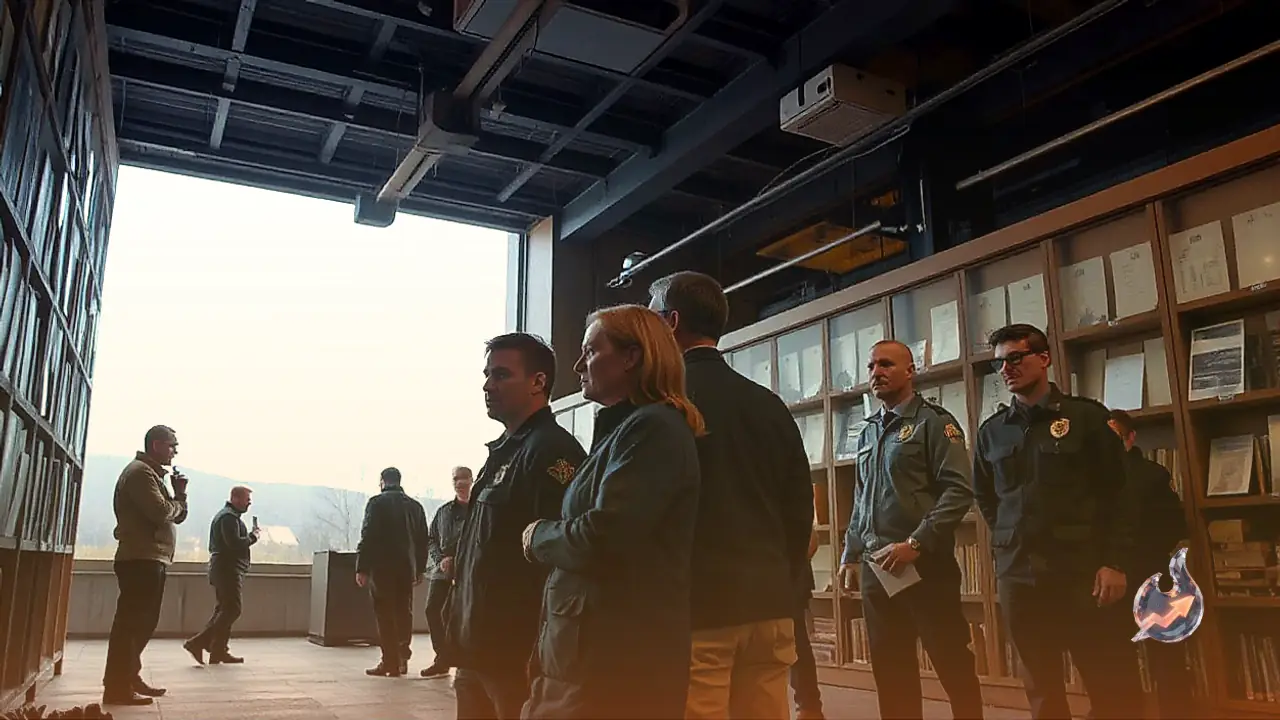
Speaking to members of the press at the state archives facility in Budapest, Prime Minister Péter Magyar appealed for restraint, urging citizens to handle the long-delayed publication with dignity and empathy. He acknowledged that many Hungarian households will encounter distressing disclosures about loved ones, frequently involving deceased family members whose pasts were never openly discussed. Magyar stressed that processing historical trauma is impossible without open discussion, rigorous questions, and transparent access to facts.
Campaign Commitments and Decades of Evasion
Opening the secret intelligence files fulfilled a signature promise from Péter Magyar's election platform, which propelled him to a decisive landslide victory in the April elections. The Prime Minister positioned the move as the delayed realization of a pledge originally made in 1989 by the pro-democracy figures who dismantled the Communist party apparatus.
In the intervening 36 years, Hungary was governed by a rotation of conservative, Socialist-Liberal, and Fidesz-led administrations. While each successive government debated whether to open the communist security records, every one ultimately declined to make the full archives accessible to ordinary citizens. Under a framework established in 1998, individuals gained the legal right to apply for their personal files, and credentialed historians were permitted to conduct limited academic research. However, those documents routinely arrived with numerous names heavily blacked out, while post-communist intelligence agencies retained custody of extensive tranches of files for their own internal priorities. During this prolonged period of opacity, selective leaks from the archives surfaced repeatedly in national politics as rival political factions attempted to damage their opponents. Compounding the historical gaps, large volumes of sensitive paperwork were systematically shredded during 1988 and 1989 as the Communist party saw its grip on state power slipping away.
Dissecting Form 6 Cards and Upcoming B-Dossiers
The files made available in this initial release center on what are known as Form 6 cards. These administrative index records document the basic identity and bureaucratic footprint of recruited informers. A representative entry notes the real legal name of the informant, their operational codename, birth date, residential address, mother's name, and the identity of the specific handling officer assigned to manage them. Crucially, the card also specifies the agency's recorded reason for recruitment, categorizing whether the individual participated willingly or was compelled through blackmail, intimidation, or coercion.
A separate and significantly more detailed compilation of records, designated as the B-dossiers, is currently undergoing digital preservation. These comprehensive recruitment logs are scheduled to be published on 25 February. When released, the B-dossiers will shed light on the mechanics of informant recruitment, providing investigators with deeper context regarding whether an agent's contributions were considered of high or negligible intelligence value by state handlers.
Surveillance Pressure, Coercion, and Divided Historical Views
Historical estimates indicate that between December 1944 and February 1990, approximately 150000 to 160000 individuals were brought into Hungary's domestic intelligence machinery as informers. Many of these agents did not volunteer freely, but were instead coerced into cooperation through severe state leverage. Handlers systematically blackmailed targets with threats such as the immediate termination of employment, expulsion from academic studies, revocation of vital medical treatments, or the public exposure of personal addictions and intimate sexual matters. The current archive administration has confirmed that deeply personal details of this nature will remain redacted from public inspection to protect individual privacy.
The policy has exposed sharp disagreements among Hungarian scholars and political figures. Historian Krisztian Ungváry, who has spent decades advocating for the comprehensive declassification of the communist security apparatus, maintains that citizens possess an inherent right to inspect whatever records the state compiled against them, arguing that such access should never rest on the arbitrary political calculations of sitting leaders.
In contrast, Zsuzsanna Borvendég, a historian who serves as an MEP for the far-right Our Homeland party, voiced strong opposition to the release. Speaking to Hungarian media outlets, Borvendég contended that in the vast majority of surviving agent records, it remains impossible to reliably identify the individual agent, much less reconstruct their underlying motives. She warned that making lists of informant names public without offering complete context on how they were pressured and what actions they actually performed risks seriously misleading the public, as ordinary readers may rush to harsh conclusions without understanding the oppressive realities of the era.