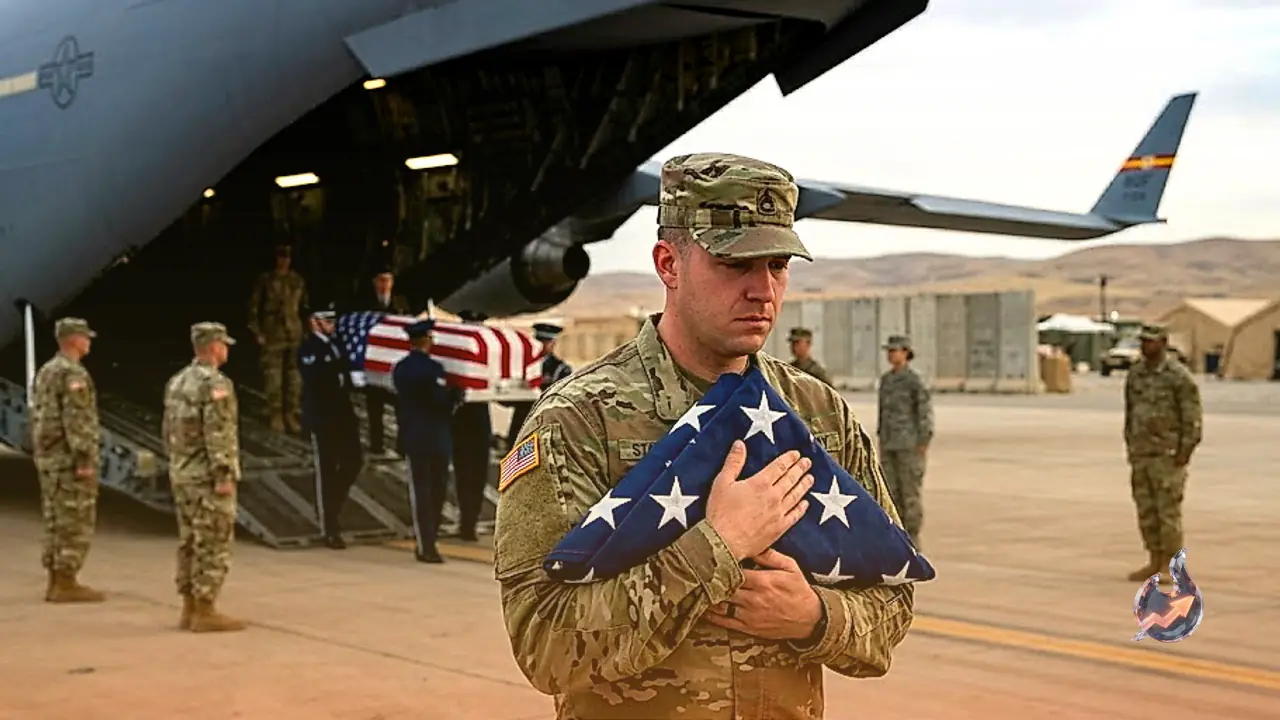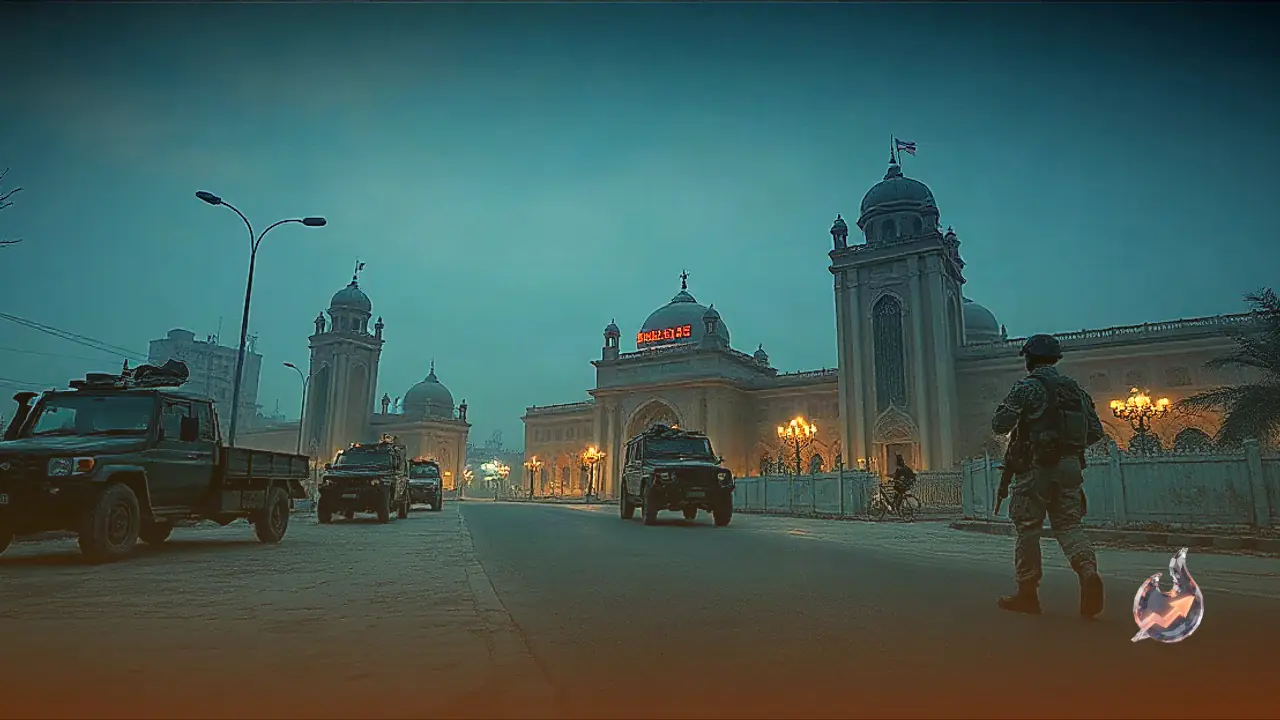


















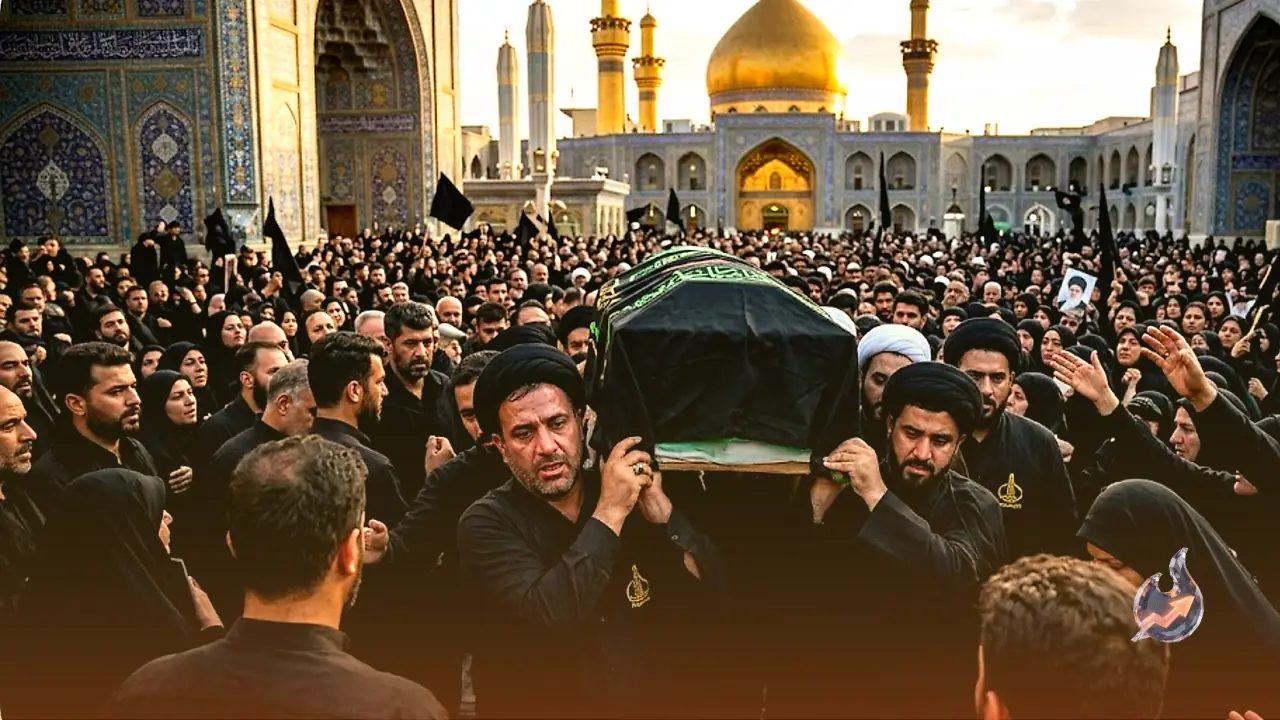

The remains of the late Iranian Supreme Leader Ayatollah Ali Khamenei have been transported through two of the holiest Shia shrines in neighboring Iraq, marking the fifth day of ongoing funeral ceremonies. Huge crowds descended upon the city of Najaf for a procession that culminated at the mausoleum of Imam Ali, the first Shia Imam and son-in-law of Prophet Muhammad. Inside the shrine, mourners crowded around the coffin, striving to touch it before funeral prayers were conducted.
Processions in Najaf and Karbala
Following the events in Najaf, the coffin was flown to the city of Karbala, where it was carried through dense crowds to the mausoleum of Imam Hussein, the grandson of the Prophet. The death of Imam Hussein in battle during the 7th Century is historically central to the schism between Shia and Sunni sects. The sheer size of the turnout reflected the profound significance of the event for supporters in the region.
A Tense Atmosphere
Khamenei was killed on the first day of Iran’s war with the US and Israel. His burial is scheduled for Thursday in Mashhad, located in north-eastern Iran. Among the tens of thousands present in Najaf on Wednesday morning was 30-year-old Mohammed al-Bayati, who stated that the opportunity to participate in the funeral of a figure who challenged the power of the US and Israel was one not to be missed. As the casket was transported by lorry toward the shrine of Imam Ali, chants of Death to America and Death to Israel echoed through the streets. Video captured the intensity of the scene, with mourners pushing and shoving in an attempt to get close to the coffin as it moved through the halls of the mausoleum. A senior cleric from the Shia seminaries of Najaf presided over the funeral prayers.
Diplomatic Presence and Internal Leadership
On Tuesday evening, Iranian President Masoud Pezeshkian and several other senior Iranian officials arrived in Iraq to participate in the ceremonies. The delegation was received by Iraqi Prime Minister al-Zaidi, and the Iraqi government officially designated Wednesday as a public holiday. Notably, Iran’s new Supreme Leader, Mojtaba Khamenei, who succeeded his father, did not make an appearance. He has not been seen in public since the Israeli air strike in Tehran on 28 February, which resulted in the deaths of his father, his wife, and several family members.
Escalation in Conflict
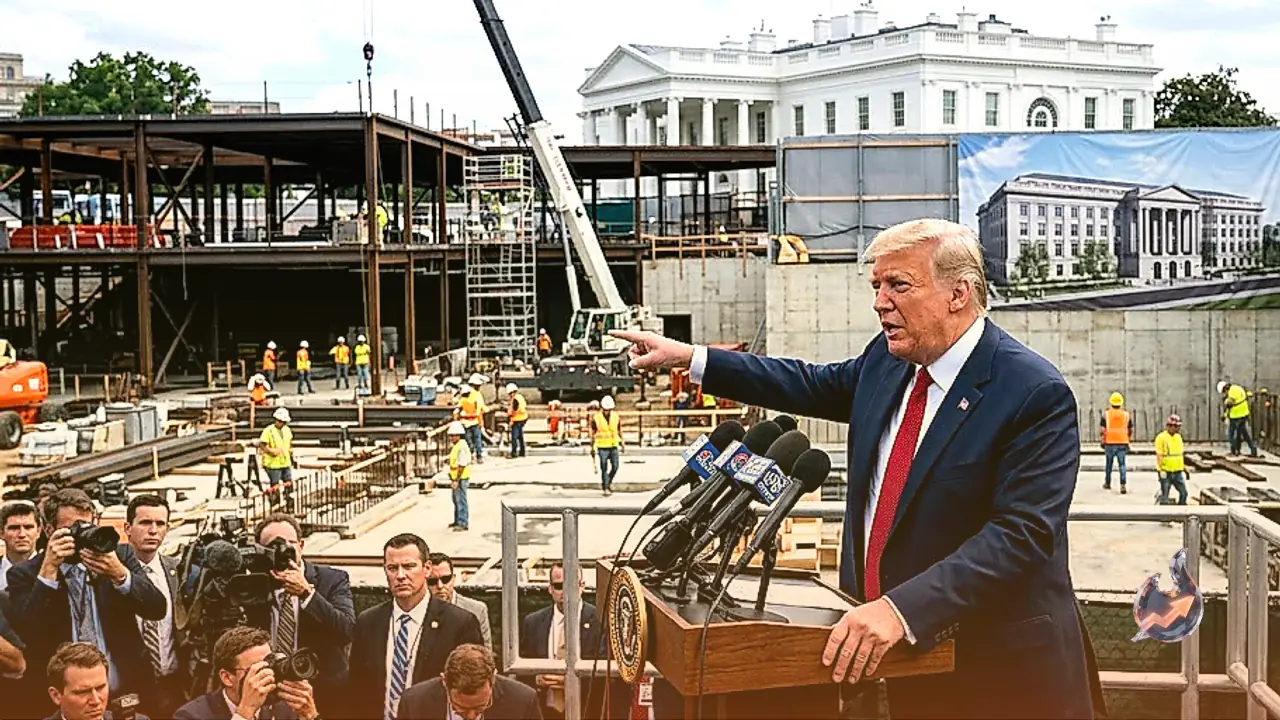
President Pezeshkian reportedly returned to Tehran early Wednesday morning, following an exchange of strikes between the US and Iran prompted by attacks on oil tankers in the Strait of Hormuz. The United States attributed these attacks to Iran and responded by striking numerous Iranian military targets. Iran subsequently claimed to have attacked US military facilities in Bahrain and Kuwait in retaliation. President Donald Trump remarked on Wednesday that he considered the three-week-old preliminary agreement aimed at ending the war to be over. Mohammad Bagher Ghalibaf, the Speaker of the Iranian Parliament and lead negotiator, accused the US of violating the deal, declaring that the Iranian people will not fold. The initial memorandum signed by Trump and Pezeshkian aimed to reopen the Strait of Hormuz—a vital passage for 20% of global oil and gas shipments—and set a two-month timeline to reach a comprehensive deal regarding Iran’s nuclear program, US sanctions, and a permanent truce. Mediator Qatar had noted positive progress in indirect talks in Doha last week, stating that further meetings would resume once the funeral ceremonies for Khamenei have concluded.