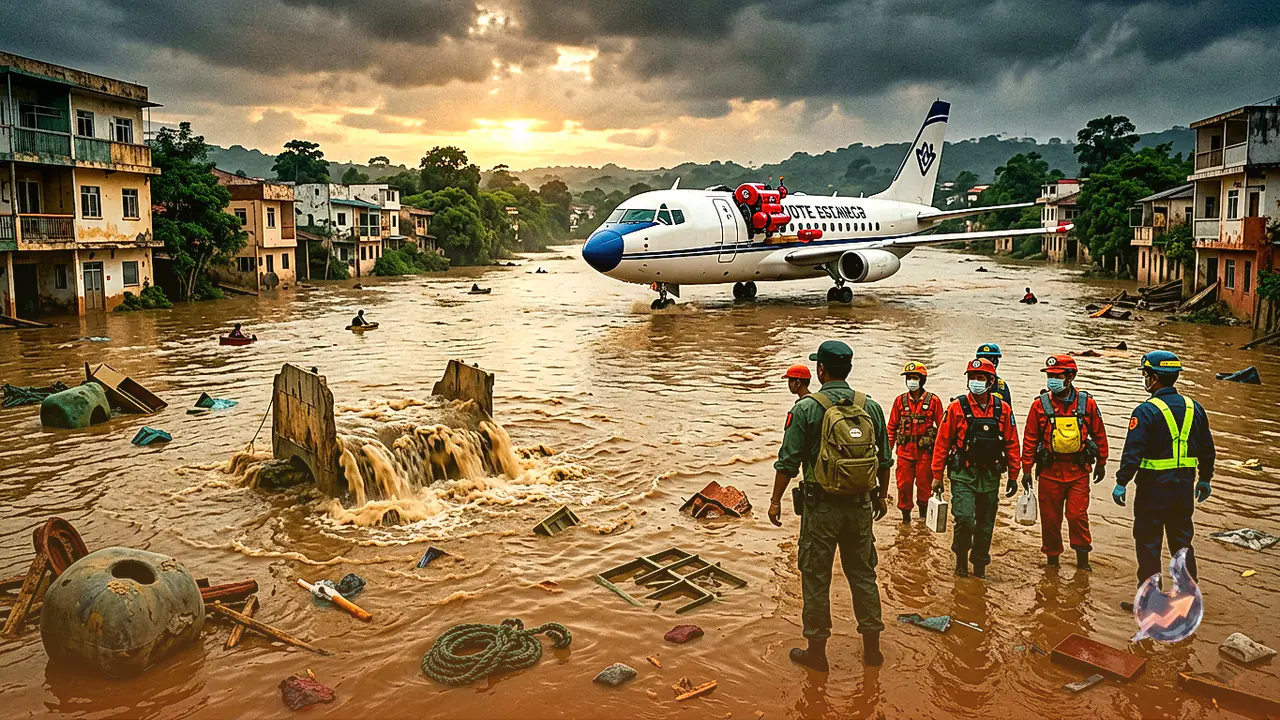





















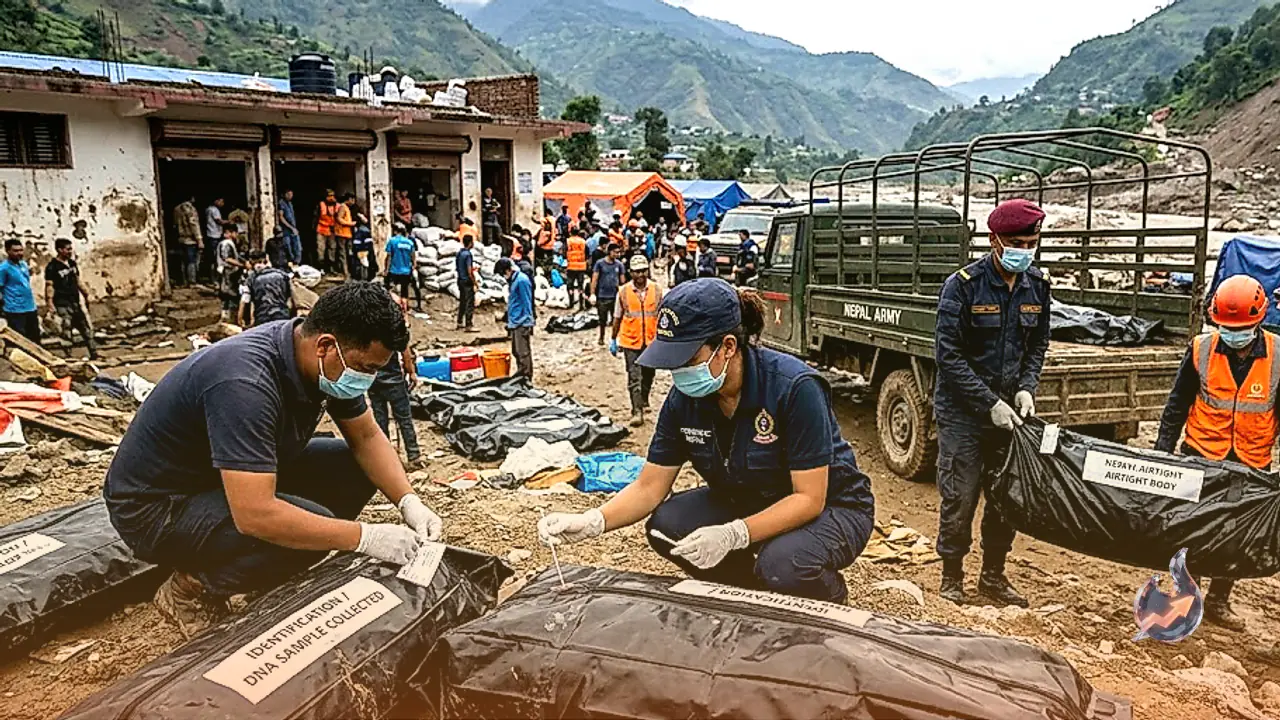

Severe flooding in Nepal has triggered widespread devastation, with authorities recovering more than seven hundred bodies so far. Search and rescue teams continue to comb through debris in the ongoing search for thousands of missing individuals. The disaster struck on a Wednesday, leaving very slim chances of finding survivors four days after the calamity. Officials anticipate discovering more remains in the upcoming days as rescue operations push forward. With local morgues already operating at full capacity, preserving the recovered bodies has become a massive logistical hurdle. Consequently, the government has begun cremating or burying bodies that remain unidentified. However, special measures have been put in place to ensure these victims can still be identified long after burial.
DNA collection and airtight packaging
Prime Balendra Shah emphasized that citizen safety remains the administration's foremost priority. Officials explained that unidentified remains are being sealed inside airtight bags before burial. Before this process takes place, medical professionals extract DNA samples to facilitate future identification whenever necessary. Distinctive physical marks on the bodies are carefully documented along with the precise coordinates of where each remains was discovered. According to officials, this systematic approach will assist families in eventually recovering the mortal remains of their relatives. By Saturday afternoon, authorities had successfully completed DNA profiling for over one hundred bodies prior to their burial.
Burial planning and systematic retrieval
The bodies are being buried one point five meters deep inside airtight bags specifically to allow for future exhumation. Officials maintain a forty-centimeter gap between adjacent burials to ensure specific bodies can be retrieved once DNA matches are confirmed. A prominent signboard is being erected at the burial site, while the entire procedure is thoroughly documented through photographs and video recordings. The vast majority of the recovered remains originate from the Chitwan district. According to a report by The Himalayan Times, officials recovered two hundred thirty-three bodies in Chitwan, though only six have been formally identified and handed over to grieving families.
Combating rapid decomposition and medical coordination
Bodies trapped within debris are decomposing rapidly, compounded by the severe lack of morgue space. Medical personnel face severe time constraints in preserving the remains and extracting DNA samples. Authorities have managed to collect DNA profiles from one hundred thirty-five bodies. To expedite identification, officials are coordinating closely with medical institutions including the College of Medical Sciences, Chitwan Medical College, Bharatpur Hospital, alongside medical colleges located in Kathmandu and Palpa. To protect the remains from further decay, local administrators have converted residential structures into makeshift cold storage facilities.
Death toll climbs and upstream lake warning
The death toll stemming from Wednesday's catastrophic floods has reached seven hundred thirty-four recovered bodies, while two thousand four hundred ninety-eight people remain unaccounted for. Rescue personnel have successfully evacuated over four thousand five hundred individuals to safety. Meanwhile, the administration issued fresh warnings regarding rising water levels in the Bhote Koshi river. Residents residing in vulnerable districts and active rescue workers have been urged to maintain high vigilance. Furthermore, an artificially formed barrier lake in China possesses an immense volume, raising fears that its potential rupture could trigger an even more catastrophic deluge in Nepal.