


















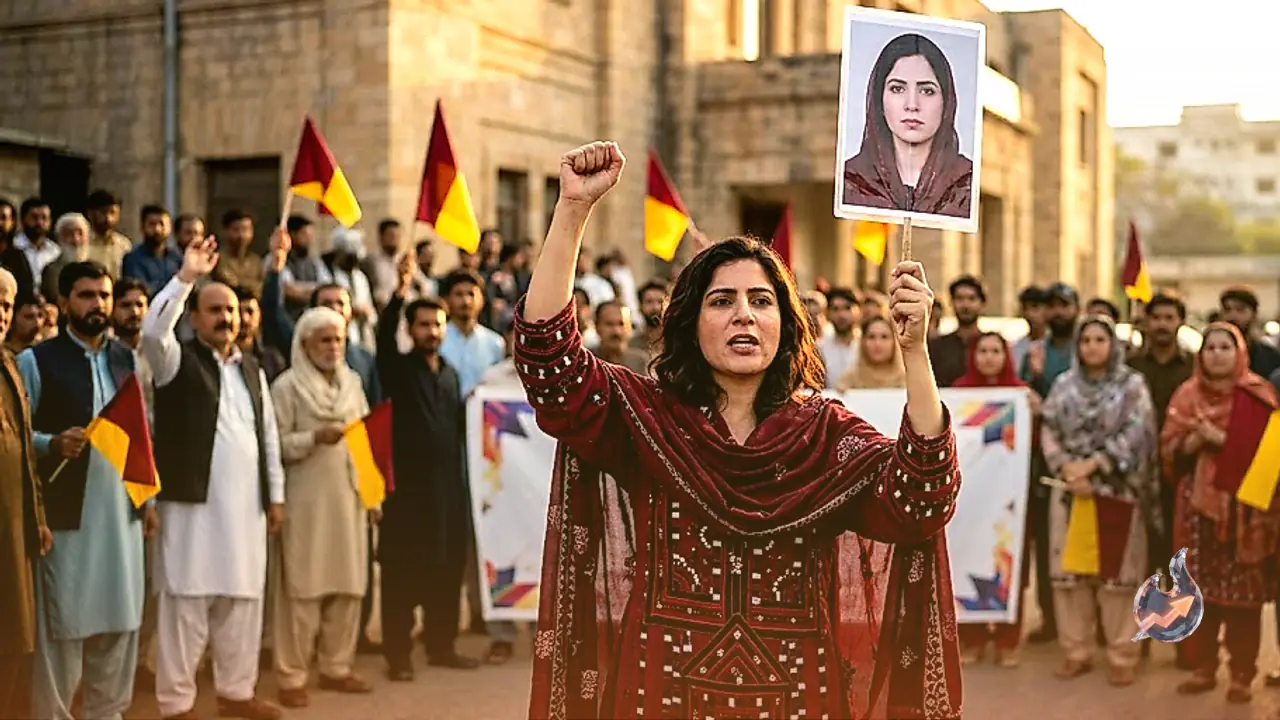

Independent human rights experts under the United Nations (UN) have expressed deep concern regarding the double life imprisonment sentence handed to prominent Baloch human rights activist Dr. Mahrang Baloch by a counter-terrorism court in Quetta, Pakistan. The experts argued that the sentence was delivered following an unfair trial, where charges of terrorism and murder were manipulated to suppress peaceful protest, the right to organize, and freedom of expression.
Background of the Case and Protest
Dr. Mahrang Baloch leads the Baloch Yakjehti Committee (BYC), an organization dedicated to advocating for the rights of the Baloch minority community. She, along with another BYC leader, Sibghatullah Shahji, was convicted in connection with the death of a Frontier Corps member during a demonstration in Gwadar in July 2024. UN experts noted that the protests were focused on systemic discrimination against the Baloch community, forced disappearances, state-led violence, impunity for perpetrators, and the alleged illegal acquisition of indigenous land and resources for the Reko Diq mining project.
Concerns Over Judicial Integrity
The experts highlighted several alarming irregularities regarding the court proceedings. According to their assessment, the court concluded that simply participating in the protest was sufficient evidence of a common intent to commit murder, classifying the actions of Dr. Mahrang Baloch and Sibghatullah Shahji as terrorism under the Anti-Terrorism Act. The trial was conducted entirely within prison walls, denying the defendants the opportunity to appear in person. Dr. Mahrang Baloch had previously raised concerns about the use of video conferencing, noting it prevented her from effectively participating in her own defense. Furthermore, she was reportedly denied the right to choose her own counsel, forced instead to rely on a government-appointed lawyer.
Ongoing Legal Harassment and Future Risks
According to UN experts, this case is not an isolated incident; there are at least 50 outstanding police complaints against Dr. Mahrang Baloch. The experts expressed fear that these pending cases will be used to ensure she remains incarcerated, as part of a broader strategy to intimidate, punish, and silence those advocating for victims of human rights violations. They also voiced concerns regarding the condition of her health in detention and alleged that her family is facing significant pressure from authorities.
The Situation in Balochistan
The experts emphasized that this sentencing comes during a period of intensified crackdowns on the Baloch Yakjehti Committee following security operations in the region. Reports indicate a rise in the use of excessive force, arbitrary arrests, enforced disappearances, and restrictions on the movement of people. Mechanisms like the Fourth Schedule and the Exit Control List (ECL) are being utilized against individuals exercising their fundamental rights to peaceful assembly and freedom of speech. These concerns had previously been communicated to Pakistani authorities throughout 2024 and 2025.
Corporate Responsibility and Human Rights
The experts noted that these sentences severely shrink the space available for civil society in Balochistan. Female human rights defenders, who have been vocal in protesting against extrajudicial killings and forced disappearances, are increasingly facing gender-based threats and retribution. The experts reminded the government and private entities that they are obligated under international law and UN guiding principles to respect human rights, conduct risk assessments, and ensure meaningful dialogue with affected communities. The recent illegal raid on the home of another prominent Baloch human rights defender, Sammi Deen Baloch, by security personnel serves as further evidence of the escalating climate of intimidation.