

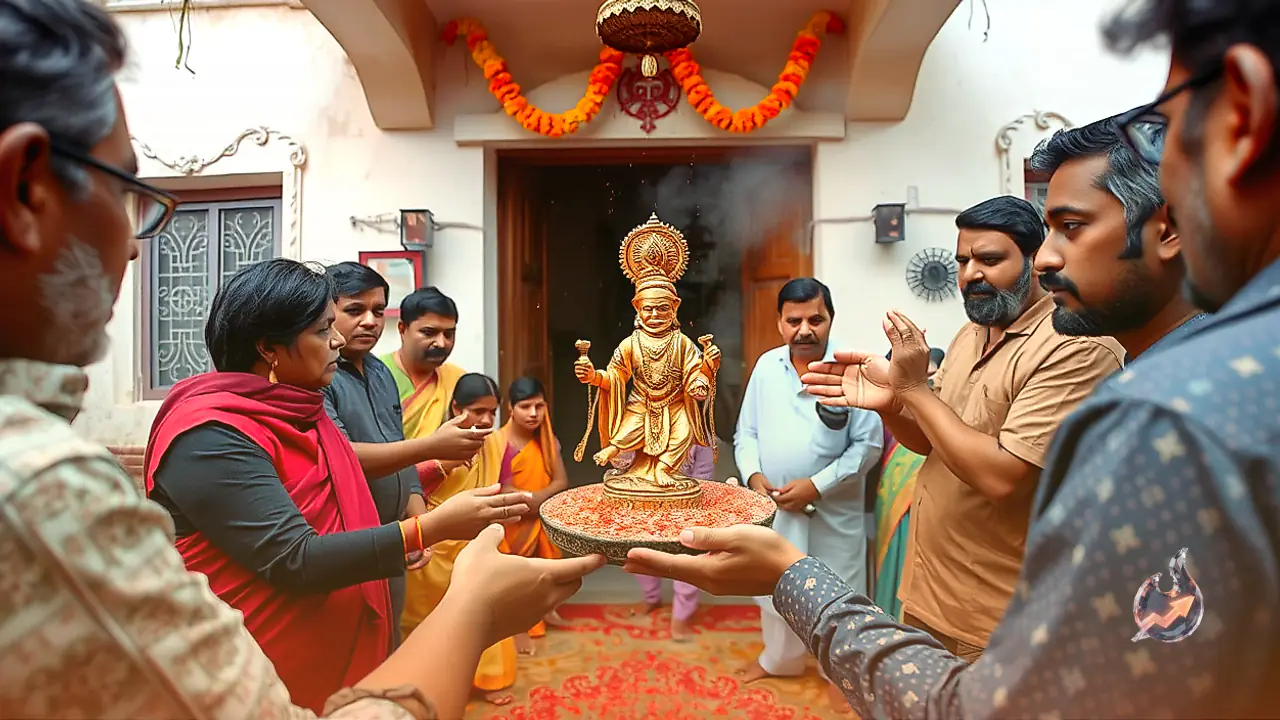














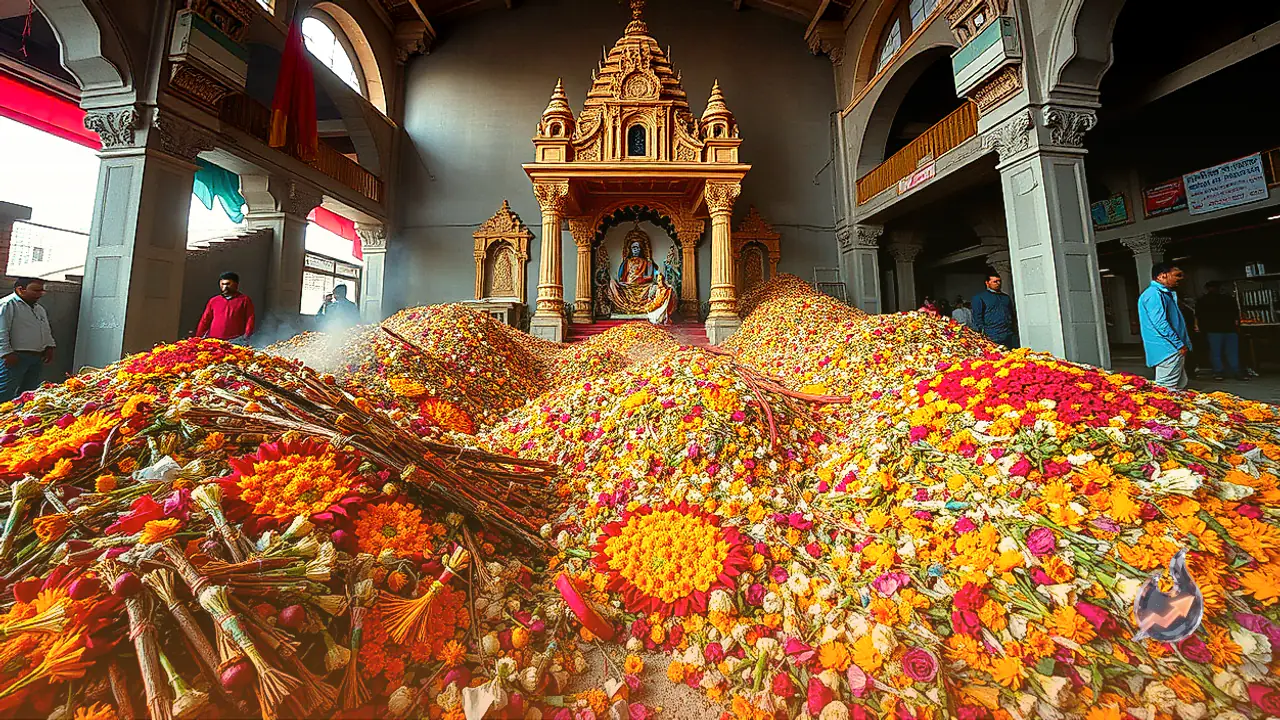

Flowers offered to deities in places of worship are frequently discarded as waste once prayers conclude. When these residual blossoms end up in drains or open spaces, they contribute significantly to urban pollution and unhygienic conditions. To address this environmental concern, a unique initiative has been launched in Faridabad to convert these discarded floral offerings into aromatic incense sticks, ritual materials, organic color powders, and plant compost. This project not only resolves the issue of floral waste disposal but also generates valuable employment opportunities for local residents.
Launch of the Initiative and International Interest
This eco-friendly project was officially inaugurated on the auspicious occasion of Maha Shivaratri through a collaborative effort between the Victora Life Foundation and the Municipal Corporation of Faridabad. Over the past seven months, the initiative has successfully gathered more than 20 tons of discarded flowers and ritual items from 15 temples across the city. To witness the working model of this environmental venture, an 11-member German delegation under GIZ India recently visited the Faridabad flower recycling center to understand the conversion methodology firsthand.
The Processing and Conversion Methodology
SS Banga, Managing Director of Victora Industries Private Limited and President of the Victora Life Foundation, explained that instead of casting ritual flowers into water bodies or garbage dumps, they can be effectively transformed into practical commodities. The procedure begins by collecting the floral waste from participating temples, transporting it to the facility, and carefully sorting and drying the blossoms. Once dried, the material is pulverized into a fine powder used to manufacture incense, sacred ritual powders, and natural colors. Furthermore, the remaining organic residue is processed to produce nutrient-rich compost for agriculture and gardening.
Expanding the Scope Across the City
Banga noted that while the operations currently encompass only 15 local temples, the total number of religious sites in Faridabad is substantially higher. If the municipal administration helps scale this campaign to cover all temples, a much larger volume of floral waste can be efficiently managed. Similar collection systems could also be extended to gurdwaras and large marriage ceremonies where ornamental flowers are used in abundance. Such expansion would drastically reduce municipal solid waste while boosting the production of eco-friendly consumer goods and organic fertilizers.
Employment Generation and Urban Greening
The entire operational chain of recycling floral waste creates steady employment prospects at various stages. Banga highlighted that transporting the flowers from temples requires drivers and helpers, while processing tasks at the plant such as sorting and drying demand additional workforce participation. During their inspection tour, the German delegation observed every step from raw collection to finished product packaging. Municipal Commissioner Yashendra Singh stated that the administration plans to integrate more temples into this network moving forward. Beyond waste management, the Victora Life Foundation is actively engaged in urban afforestation and park development, having planted numerous trees and maintained green spaces in areas such as Sector 8, Faridabad.