















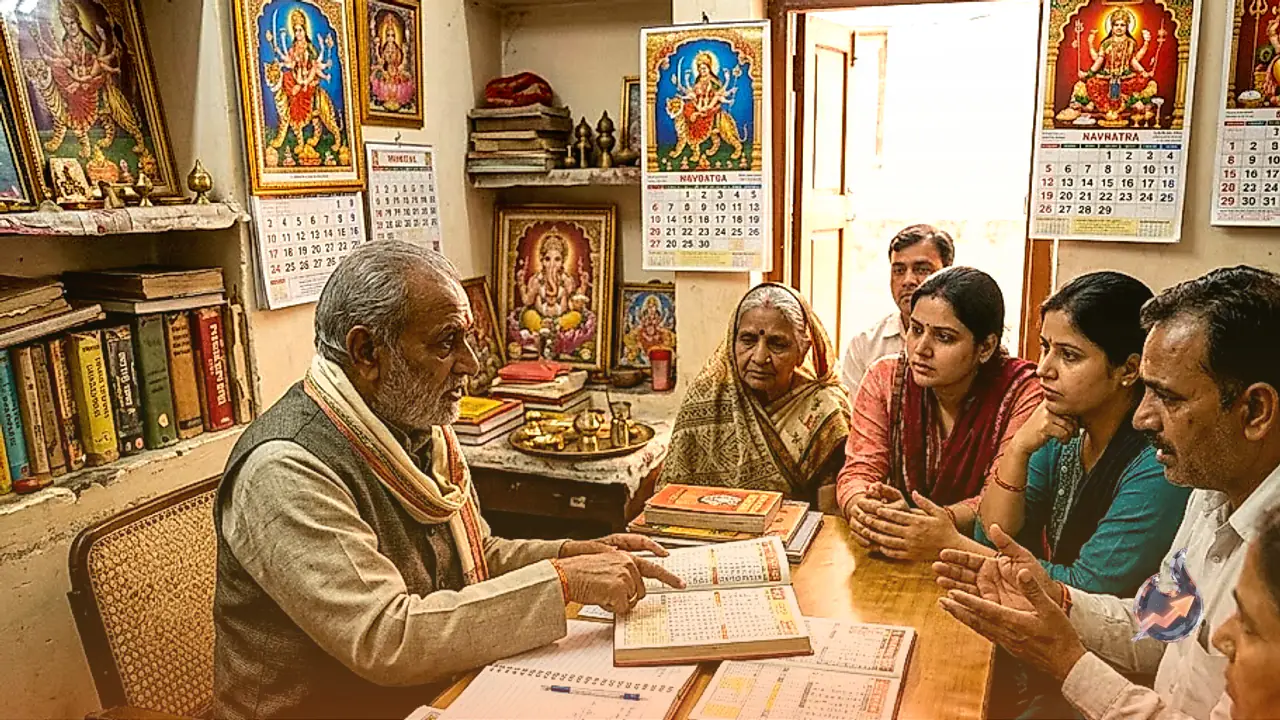

Preparations for Maha Ashtami, Navami, and Kanya Pujan are in full swing across households and temples in Ambala as Navratra reaches its final days. However, a sense of confusion has gripped many devotees regarding the precise dates for Ashtami and Navami this year. While some families are preparing to observe Maha Ashtami on the eighteenth of October, others are advocating for the nineteenth of October. Consequently, the foremost question on everyone's mind is which specific day is most appropriate for performing Kanya Pujan, conducting the holy fire ritual, and breaking the fast. With Vijayadashami scheduled for the twentieth of October, determining the exact calendar dates has become crucial for proper observance.
Understanding Astrological Timings
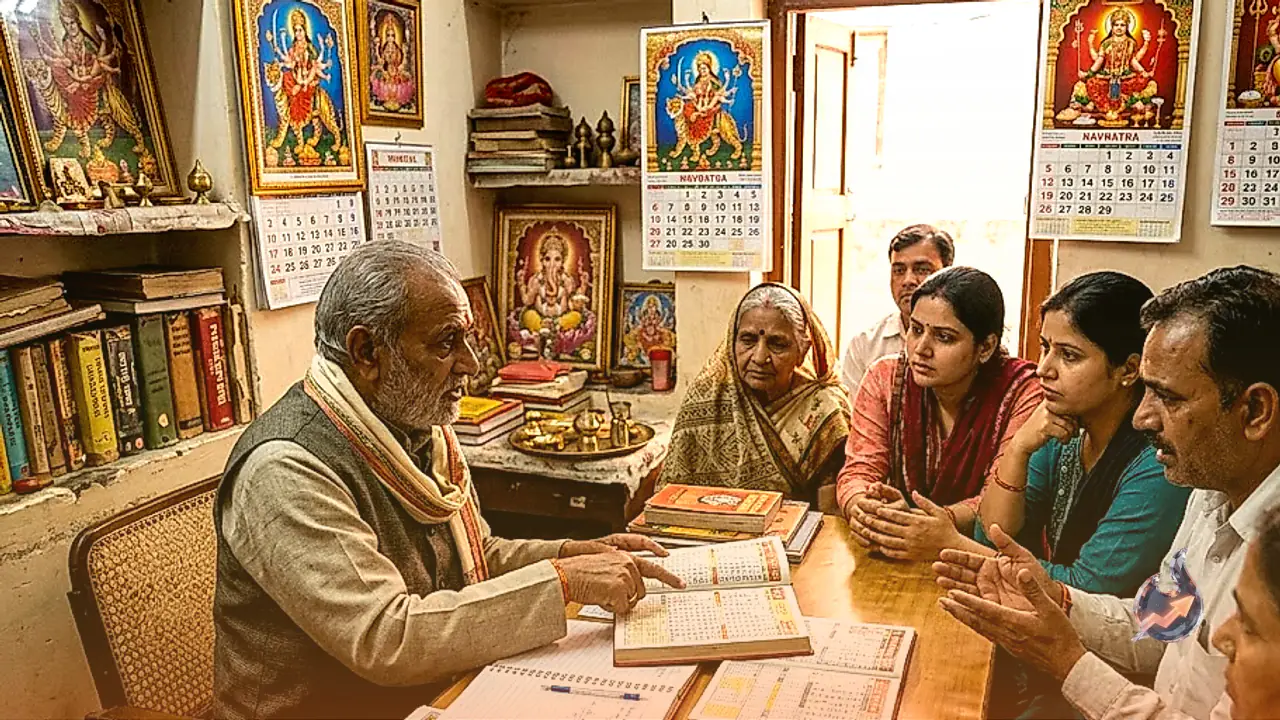
Local astrologer Rajkumar Sharma explains that religious festivals generally place significant emphasis on the tithi prevailing at the time of sunrise. Based on this established principle, Ashtami worship can be suitably performed on the nineteenth of October. Nevertheless, the same rule does not uniformly apply to every festival, as certain occasions rely on the presence of a tithi at specific hours. Therefore, devotees are advised to consult their regional panchang and adhere strictly to their family traditions when deciding the exact time for worship.
Detailed Breakdown of Ashtami and Navami Timings
According to Rajkumar Sharma, the Ashtami tithi begins on the eighteenth of October at 8:27 AM and continues until the nineteenth of October at 10:51 AM. Immediately following this, the Navami tithi commences and remains active until the twentieth of October at 12:50 PM. Given that Ashtami prevails until 10:51 AM on the nineteenth of October, worshippers have the flexibility to perform their homa and Kanya Pujan on either Ashtami or Navami depending on their family customs. The precise calculation of tithis holds immense importance during Saptami, Ashtami, and Navami rituals. Furthermore, Dashami tithi begins on the twentieth of October at 12:50 PM and lasts until the twenty-first of October at 2:11 PM.
Rituals and Traditions of Kanya Pujan
During the concluding days of Navratra, young girls are revered as living manifestations of the divine feminine energy and worshipped accordingly. Traditionally, girls aged between two and ten years are invited and served a meal. Many households also perform a sacred fire ritual or havan on this auspicious day. The Kanya Pujan ceremony begins by washing the feet of the young girls and seating them respectfully on clean mats. They are then served sacred food with utmost devotion. Devotees offer monetary gifts and small presents according to their financial capacity to seek blessings from the young guests.
Pledge, Prasad, and Auspicious Muhurats
The ritual procedures require devotees to wake up early in the morning, bathe, and clean the household temple thoroughly before offering fresh flowers to the goddess. The prepared prasad must be offered to the young girls after completing the morning prayers. In several communities, there is also an established tradition of offering bhog to Bhairava Baba and Lord Hanuman. Those keeping fasts break them only after concluding the havan and Kanya Pujan according to their lineage traditions. The afternoon worship window is scheduled from 1:14 PM to 3:30 PM, while the auspicious Vijay muhurat falls between 1:59 PM and 2:45 PM. Devotees can perform their rituals during these allocated time slots following their local panchang.