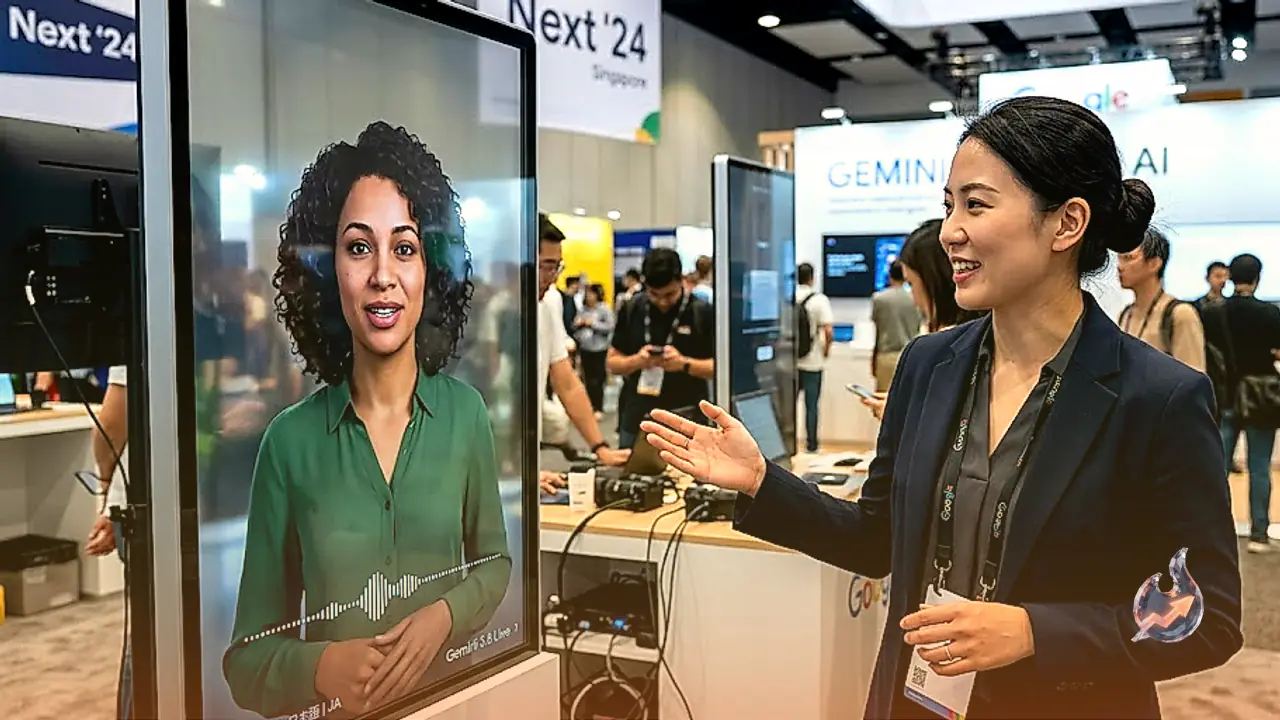






















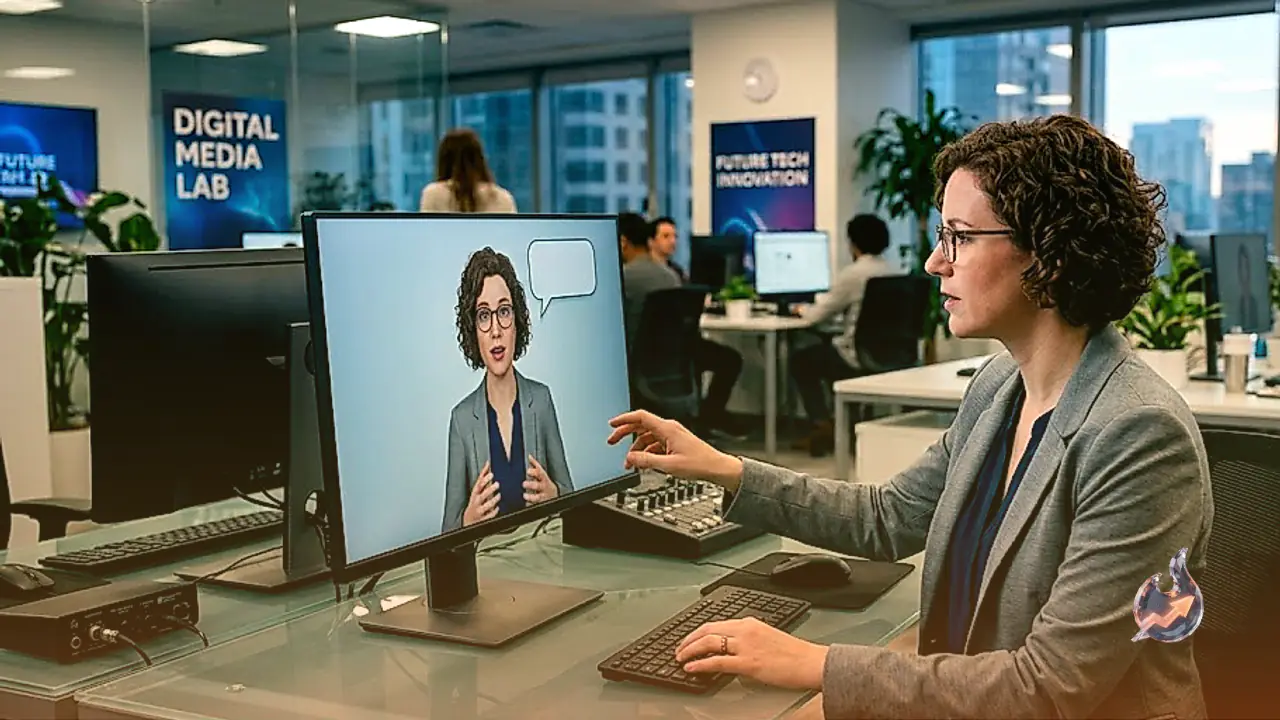

When Alexandru Voica, head of corporate affairs at the video-generation startup Synthesia, shared a link featuring an interactive virtual avatar trained to handle press inquiries, it marked a significant shift in communication technology. The digital creation was built to answer common questions regarding the company operations, signaling a major leap forward for artificial intelligence applications in public relations.
Expansion and Massive Valuation Growth
Synthesia hosted a gathering at its new office space in New York. Originally based in the U.K., the enterprise stands alongside other prominent digital avatar competitors like D-ID, HeyGen, and Colossyan. The firm achieved a $4 billion valuation earlier this year and previously announced crossing $100 million in ARR.
Interactive Training and Roleplay Tools
The platform enables businesses to construct interactive training videos utilizing artificial intelligence avatars. Recently, the organization rolled out Roleplay Sessions, a product designed allowing staff members to practice sales pitches with an interactive agent that responds and scores their delivery.
Building the First Journalist Digital Twin
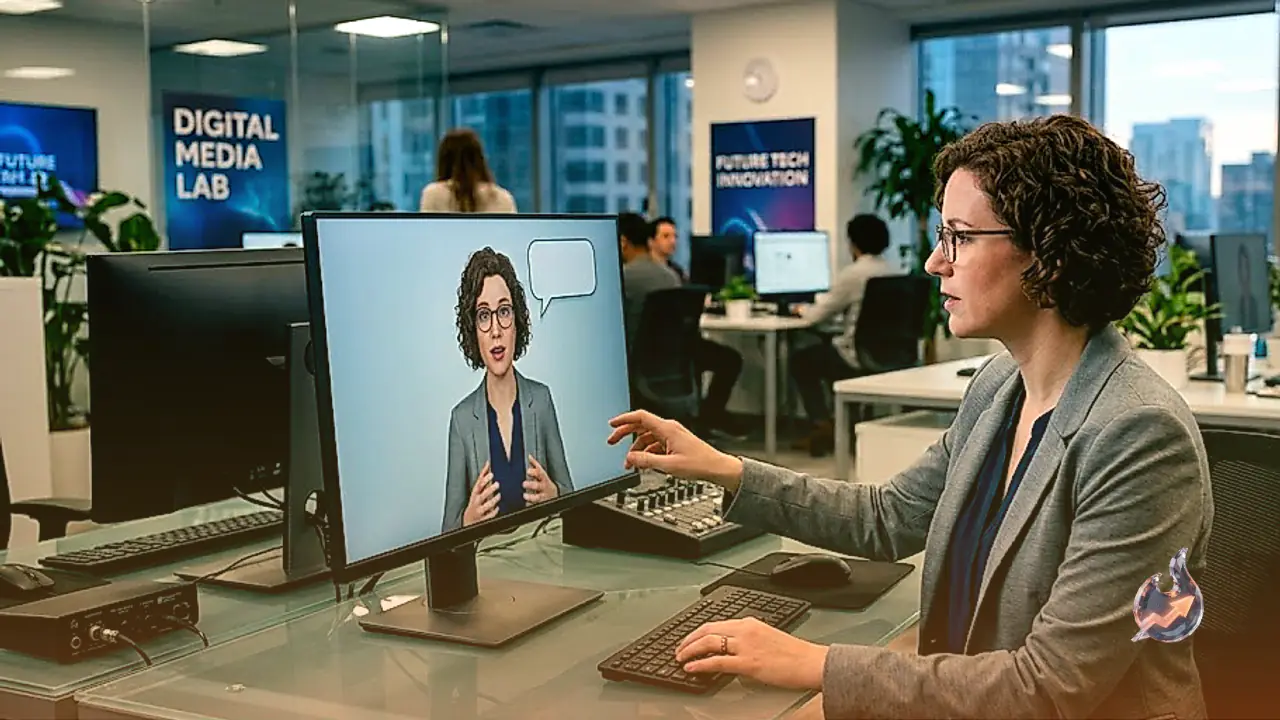
Visiting the new studio space provided an opportunity to experience the avatar creation process firsthand. Entering a mini film studio within the office, multiple photographs were captured alongside a two-minute voice recording. The resulting digital clone was built in both personal and interactive formats, featuring variations with and without glasses, trained strictly on a specific investigative piece exploring why venture-backed startups commit more fraud.
Underlying Technology and Stack Integration
The interactive avatar functions through a combination of speech-to-text, agentic language, text-to-speech, and video generation models. While utilizing Synthesia proprietary voice and video infrastructure, clients can alternatively integrate solutions from other AI labs such as Cartesia, ElevenLabs, Google, or OpenAI depending on corporate requirements.
Implications for Media and Daily Life
Reflecting on the digital twin brings up broader questions about automation in media and whether audiences would accept AI news anchors. While skepticism remains regarding automated content flooding online feeds, the utility of cloning oneself for handling repetitive corporate tasks highlights a transforming professional landscape.