
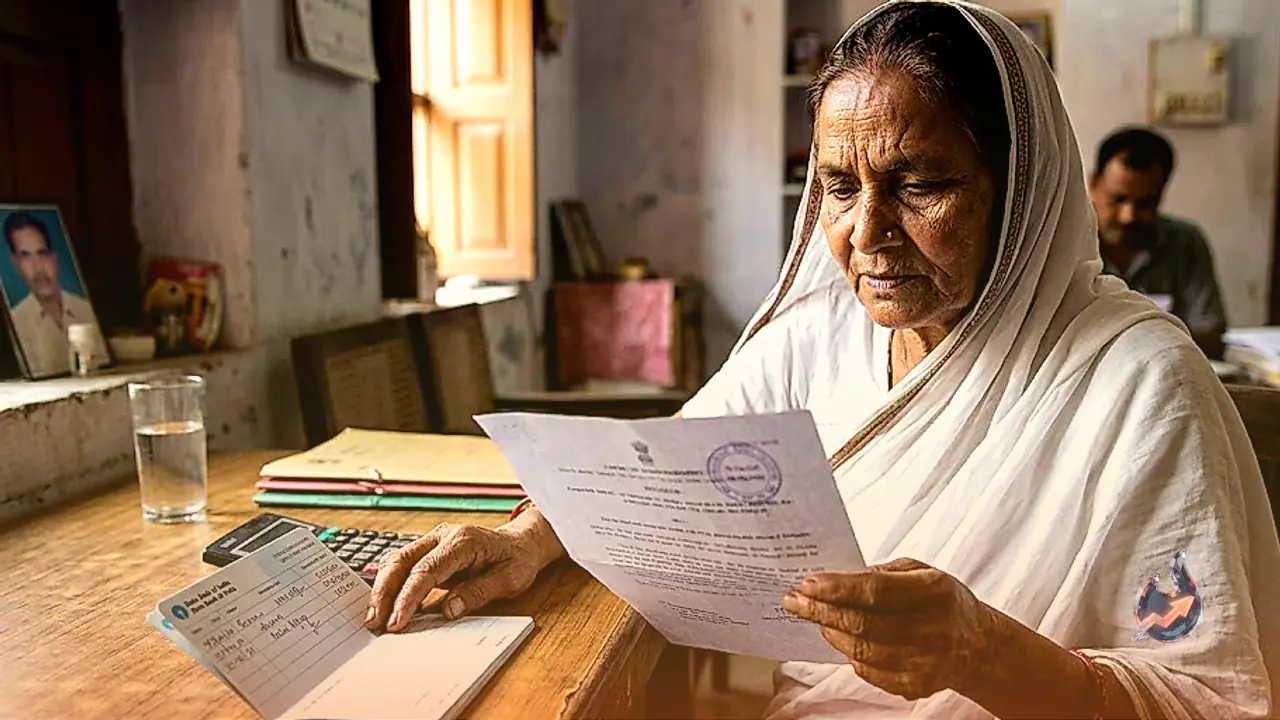






















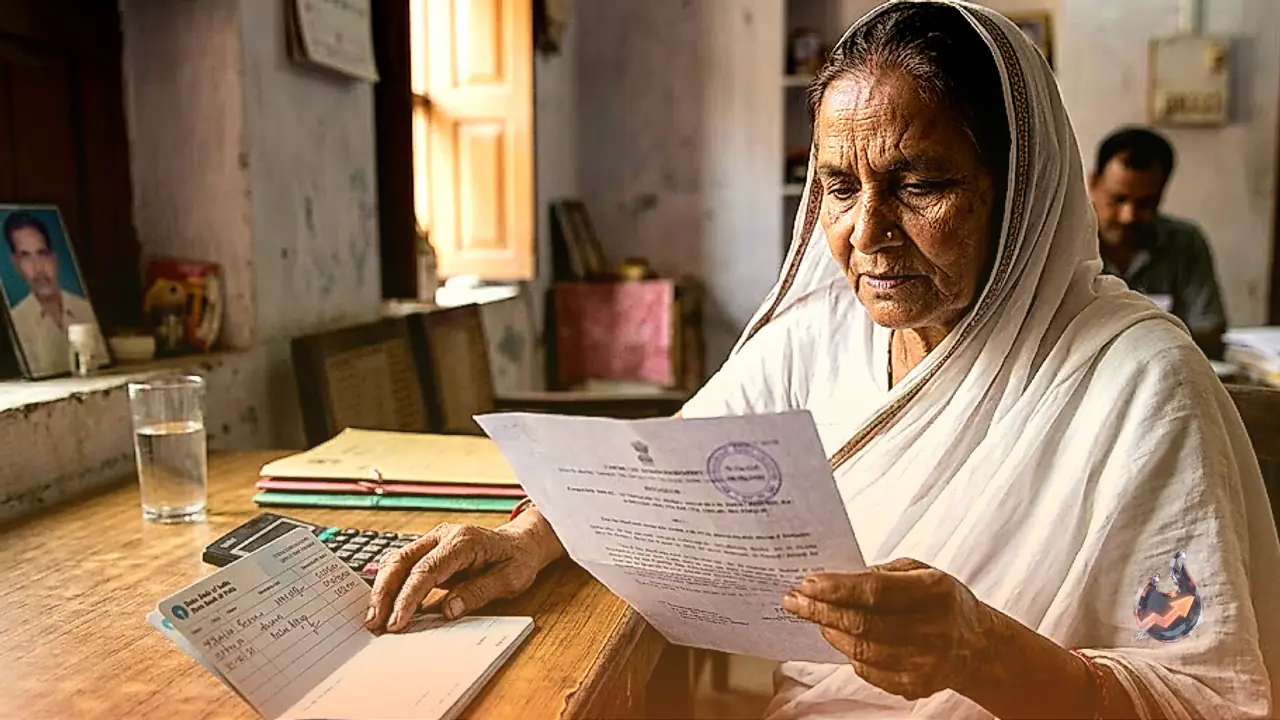

The Allahabad High Court has issued a significant interim ruling directing the State Bank of India to refund a sum deducted from the bank account of a deceased borrower's widow. SBI had debited Rs 17,29,999 from the widow's account to settle her late husband's outstanding personal loan. The court emphasized that proceeds from a life insurance policy do not form part of the deceased's estate, but represent an independent entitlement belonging to the designated beneficiary.
Background of the Dispute and Bank Action
The dispute originates from Kaushambi district in Uttar Pradesh, where Ambesh Kumar was employed as a primary school headmaster. Kumar had taken a personal loan from SBI before tragically passing away in a road accident in June last year. Following his demise, a life insurance payout amounting to Rs 50 lakh was credited into his widow's bank account. Soon after, SBI deducted Rs 17,29,999 directly from that sum to recover the unpaid personal loan balance.
Legal Challenge Raised by the Widow
Aggrieved by the unilateral deduction, the widow approached the high court to contest the bank's action. Her legal counsel submitted that she was neither a co-borrower nor a guarantor for the personal loan facility taken by her husband. Consequently, she argued that the banking institution possessed no legal authorization to seize funds deposited in her personal account to satisfy a third-party debt.
High Court Observations on Insurance Payouts and Clause 18(iii)
A division bench comprising Justice J.J. Munir and Justice Indrajit Shukla scrutinized the terms of the financial institution. The bench observed that while Clause 18(iii) of the loan agreement contains broad provisions regarding rights of set-off, it does not prima facie empower the bank to recover the deceased borrower's liabilities from insurance proceeds awarded to his widow. The judges highlighted that life insurance claims do not constitute the deceased's general estate left for legal heirs, but act as a social security measure intended specifically for the independent benefit of the beneficiary.
Understanding the Right of Set-off in Loan Contracts
Clause 18(iii) in standard loan contracts endows lenders with the right of set-off during credit defaults. Under this clause, borrowers grant unconditional consent allowing the bank to adjust outstanding dues, interest, or penalties against funds held in any of their other accounts, such as savings, recurring deposits, or fixed deposits, without prior notification. However, the high court's interim findings draw a clear boundary regarding independent insurance claims. The court has scheduled the next hearing for this matter on October 7, 2026.