





















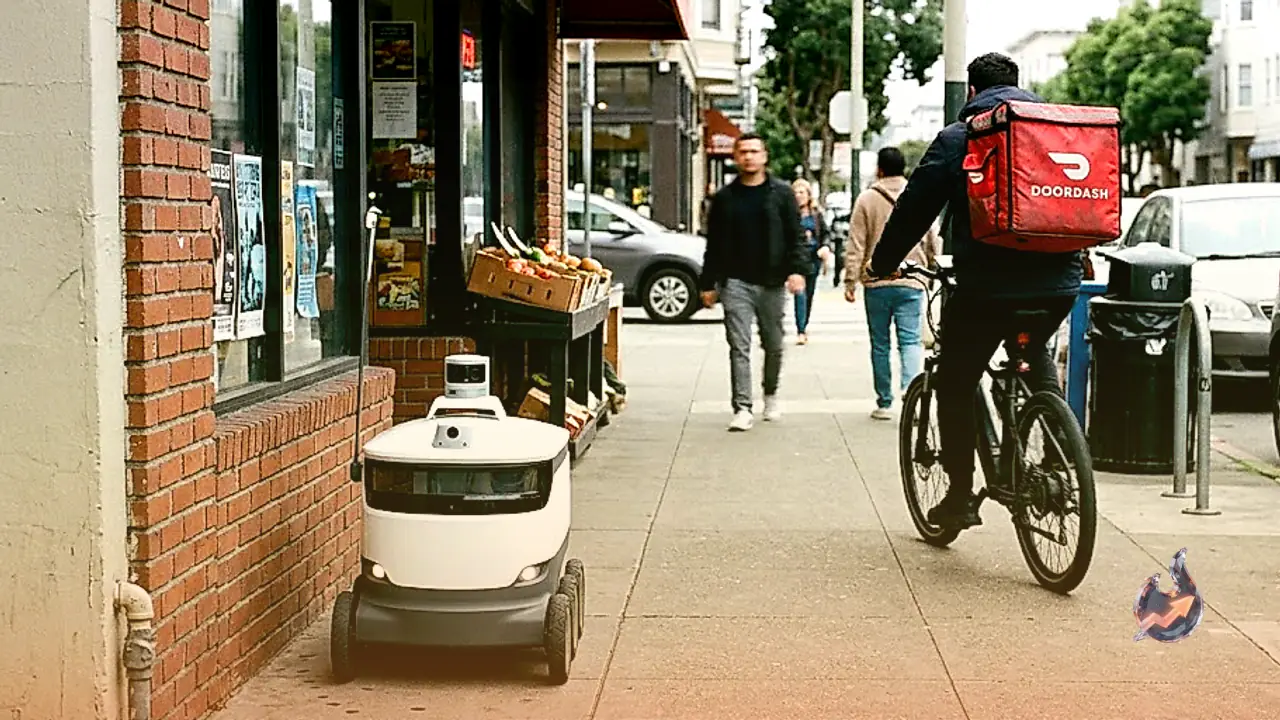

Widespread industry expectations that autonomous artificial intelligence agents would quickly take over digital commerce are facing an early reality check. Delivery giant DoorDash disclosed during its third-quarter financial results presentation that third-party software agents like Muse, Instinct, and Fo have generated only several hundred orders in total. That volume represents an imperceptible fraction of the company's regular operations, considering its 2025 performance data showed an average volume of 3 million deliveries completed every day.
Pragmatism Over Hype in Autonomous Commerce
Addressing questions from financial analysts, DoorDash chief executive officer Tony Xu highlighted that using software agents to complete shopping checkouts remains an evolving landscape. Xu emphasized the balance between adopting new tech and assessing reality, stating that while one should never fight gravity with technological change, businesses cannot afford to become delusional about current adoption. He noted that looking at where these tools actually stand today, DoorDash has observed perhaps several hundred transactions initiated across these external autonomous agents.
DoorDash's Proprietary Tools and Monetization Potential
Xu observed that regular consumers continue to place the overwhelming majority of their orders directly inside the dedicated DoorDash mobile application. Even so, the delivery network plans to analyze automated interaction patterns and build collaborative ties with external agent builders. Looking down the road, Xu remarked that the company might even find advertising avenues directly within third-party agent interfaces as digital interactions mature.
DoorDash has actively built internal capabilities to support novel order mechanisms. In September, the platform launched a specialized text-to-order utility, following a command-line interface agent rolled out in July. Those releases built upon Ask DoorDash, a chatbot unveiled in June that enables users to browse and purchase meals using natural language prompts alongside uploaded photos. To support corporate clients, DoorDash introduced an MCP connector designed to permit seamless orders through external enterprise chatbots.
Divergent Retail Strategies Toward AI Bots
The broader retail and delivery landscape remains split on how open online storefronts should be to automated visitors. Web platforms are actively weighing whether granting bots access serves their bottom lines. While retail giant Amazon has taken steps to block personal shopping agents from scraping and executing purchases, Walmart has taken the opposite path, rolling out an open welcome to external AI bots in an effort to attract transaction volume away from traditional competitors.