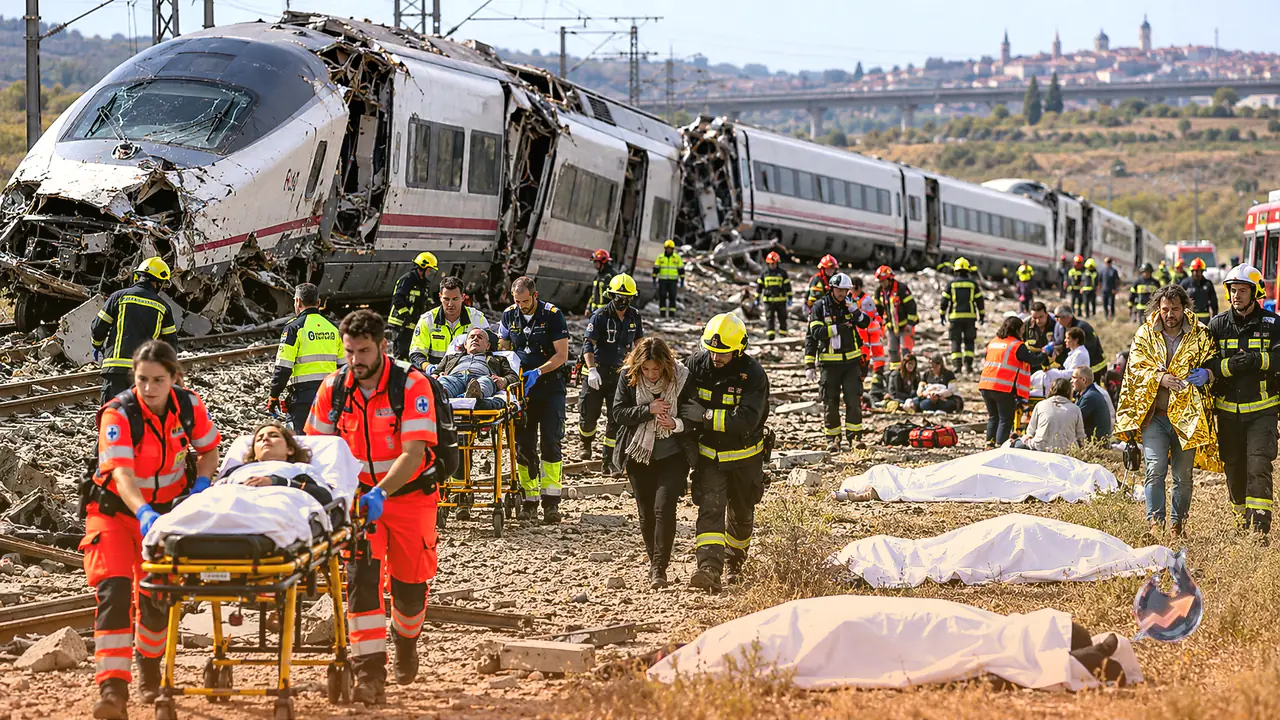



















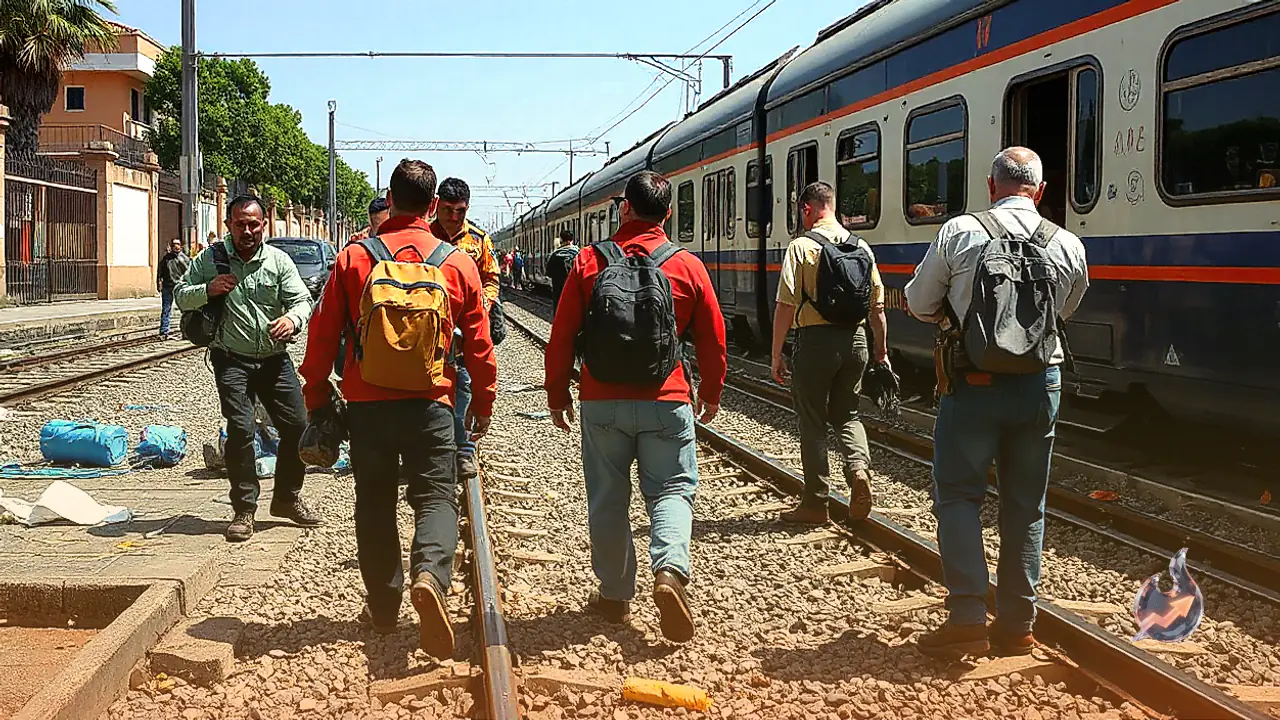

Spain's Transport Minister Óscar Puente has insisted he will not step down from his post in the wake of a catastrophic high-speed rail collision that resulted in the deaths of at least 69 individuals and left dozens of others injured. Addressing a press conference in Madrid, Puente maintained that he had nothing to hide and reiterated the national administration's solemn pledge to uncover every detail behind the catastrophe. Emphasising his operational priorities, the minister stated that his immediate obligation is not to engage in debates regarding his tenure, but rather to concentrate all institutional efforts on rectifying the systemic failures that triggered the disaster.
Defying Growing Political Clamour and Street Protests
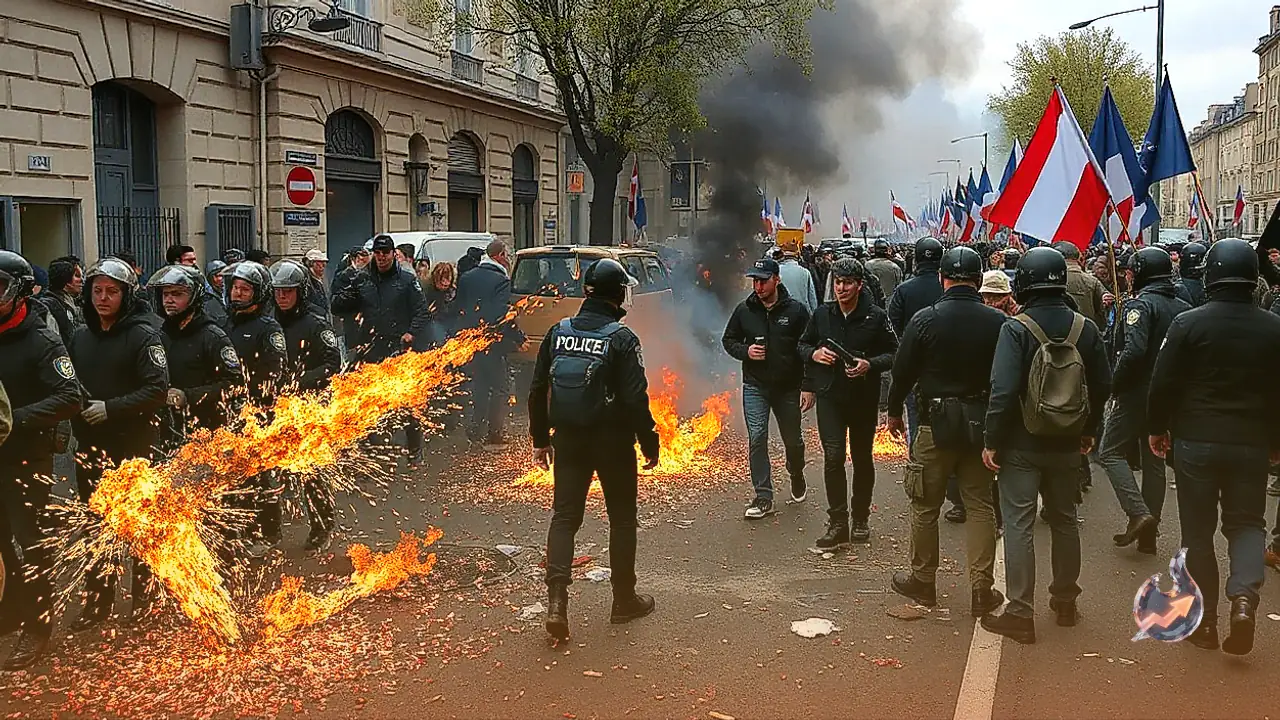
The transport minister has encountered intense pressure to vacate his office, with resignation calls mounting from conservative opponents, prominent labour representatives, and citizens who staged protests outside the transport ministry building on Wednesday night. The conservative People's Party formally aligned itself with the demand for his removal shortly after the CSIF trade union voiced similar appeals. Responding to these calls, Puente stated that choosing to walk away would represent the simplest path, yet doing so would run contrary to his character and defy the explicit wishes of Spanish Prime Minister Pedro Sánchez. While expressing profound grief and sorrow for the victims and their grieving relatives, the minister stressed that he could not allow emotional distress to halt executive decision-making when urgent fixes are required.
Investigation Points to Extreme Collision Speeds
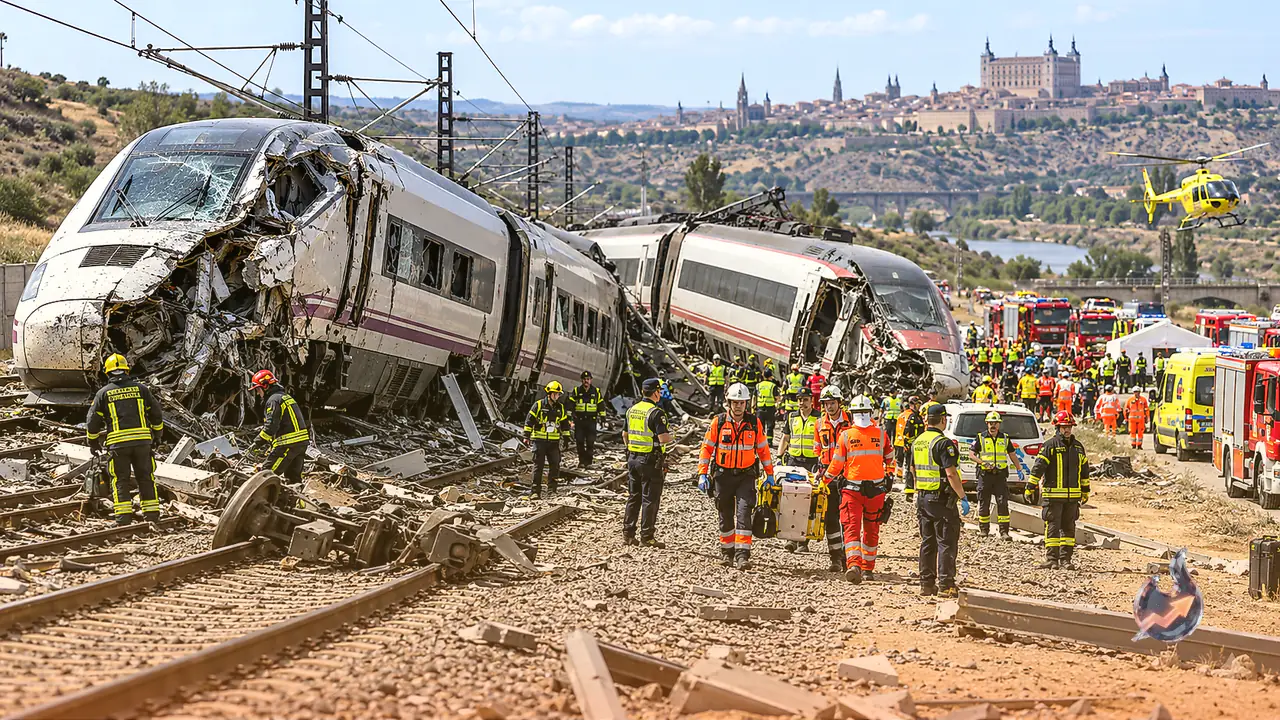
The catastrophic incident occurred on Wednesday morning near the town of Urda, located within the central province of Toledo. A state-operated Renfe high-speed train collided forcefully into the rear section of a stationary train managed by the private rail operator Iryo. The force of the impact embedded the front carriage of the Renfe locomotive directly into the tail of the halted convoy. An initial technical assessment published by accident investigators late Thursday confirmed that the Renfe train was travelling at velocities between 160km/h (99.4mph) and 200km/h at the exact moment of contact. The scale of devastation marks one of the most fatal railway disasters recorded in contemporary European history and represents Spain's deadliest railway calamity since 2013.
Controversy Surrounds Critical Control Centre Communications
Revisiting the sequence of mechanical triggers, Puente explained that a technical computer malfunction occurring at approximately 08:30 on Wednesday morning initially forced six active trains along the route to halt, including the two units that ultimately crashed. The crisis intensified after confidential audio communications between train drivers and the central traffic control room in Madrid surfaced in the Spanish press. The three leaked recordings suggest that one high-speed train received operational clearance to proceed down the corridor despite a stalled train occupying the exact same line roughly 25km (15 miles) ahead. Confronted with these operational instructions, Puente described the directive allowing the convoy to resume journeying without mandatory speed curbs as completely inexplicable.
Debate Over Rail Liberalisation and Worker Accountability
The unauthorised dissemination of the emergency cockpit tapes triggered condemnation across party lines. Alberto Ibáñez, a member of Congress representing the left-wing Sumar platform, wrote on X that the leaks were despicable. Offering another perspective, Irene Montero, the prime ministerial nominee for the left-wing Podemos party, argued against scapegoating individual operational personnel, noting that locomotive operators and industry analysts have spent years highlighting the systemic hazards linked with opening the national railway market to competition. Puente responded directly to those concerns by stating he would not use any front-line railway worker as a shield, while pledging to scrutinise every emerging question systematically. Spanish Prime Minister Pedro Sánchez noted that two identical rail tragedies taking place within a single year was entirely unacceptable, noting that public confidence in the national high-speed rail framework has suffered severe damage as the country observes three official days of mourning.