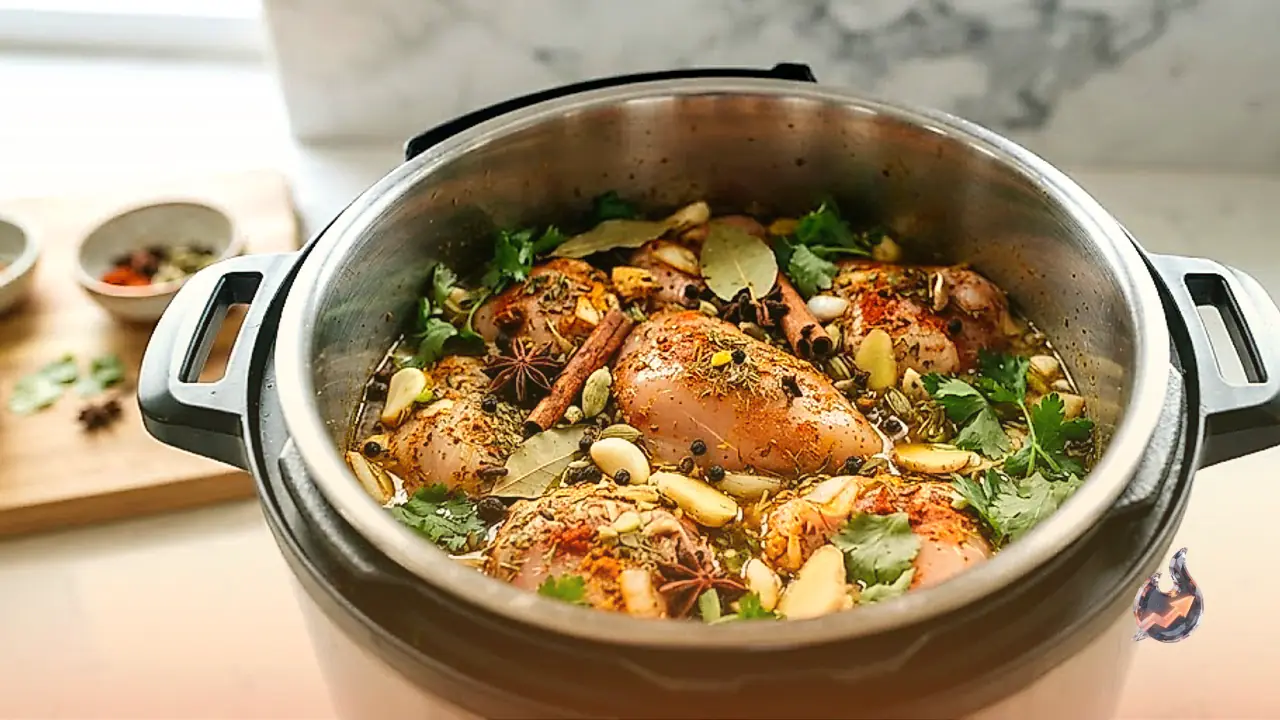





















With the festive season underway, non-vegetarian food enthusiasts often find only a limited window of days left to relish hearty meat preparations. While restaurant dining is always an option, the distinctive flavor and wholesomeness of a freshly cooked meal prepared at home remain unmatched. By using a thoughtful selection of regional spices, anyone can prepare authentic Mithila-style mutton that rivals commercial eateries. Taking approximately an hour to cook from start to finish, this regional specialty relies on patient simmering and traditional spice techniques to yield a deeply satisfying dish.
The Freshly Ground Whole Spice Secret
According to Mithila-based culinary expert Keshav, the true secret behind this regional preparation lies in how the whole spices are treated. While most everyday recipes simply toss dry whole spices into hot oil for tempering, the traditional Mithila method requires grinding them into a smooth, concentrated paste. Essential whole spices including cumin seeds, bay leaves, nutmeg, cloves, green cardamom, and black cardamom are processed together using either a traditional stone slab or a modern mixer grinder. Incorporating this freshly ground spice paste directly into the cooking meat elevates the aroma, richness, and overall depth of the gravy significantly.
Step-by-Step Cooking Technique
Unlike chicken, which cooks relatively quickly, goat meat has a firmer texture that requires patience and around an hour of total cooking time to become tender. The essential ingredients include onions, garlic, and standard household powdered spices such as turmeric, red chili, coriander, and garam masala. To begin, oil is heated in a heavy-bottomed pan or kadhai, followed by a tempering of cumin seeds and bay leaves. Sliced onions are then added and lightly sauteed. Once the onions soften, fresh mutton pieces are added to the pan, allowing the meat to slowly cook in its own steam.
Slow Roasting and Pressure Cooking Options
Maintaining a gentle, low flame is crucial when cooking authentic desi mutton. A notable feature of this method is that external water is rarely required during the primary braising stage, as the releasing moisture from the sliced onions provides ample liquid for the meat to fry and tenderize naturally. The more thoroughly the meat is roasted along with its aromatics, the richer the final taste becomes. For home cooks looking to save time after the spices and meat have been well roasted, transferring the dish to a pressure cooker for three to four whistles provides a faster finish without compromising tenderness. Serving it piping hot brings out the best of its rustic regional spices.