






















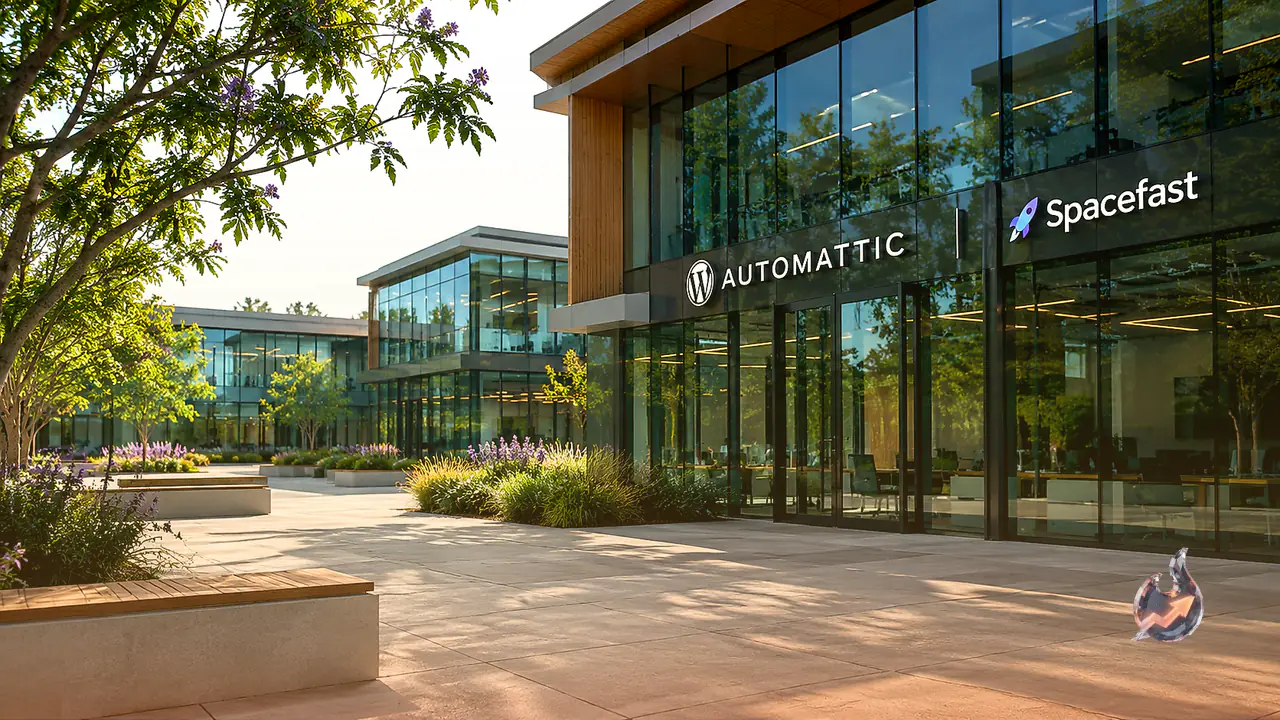

WordPress has long served as a foundational technology and content management system for numerous prominent websites across the digital landscape. Adapting to the shifting dynamics of the modern internet, WordPress.com parent company Automattic has now introduced a brand-new service called Spacefast, which enables users to deploy websites and applications built through vibe coding.
Infrastructure and Capabilities of Spacefast
The Spacefast platform is engineered to supply essential infrastructure for vibe-coded applications, encompassing databases, authentication mechanisms, file uploads, email handling, and analytics to transform projects into fully operational digital properties. This offering competes with alternatives like Lovable and Emergent, both of which provide interfaces and operational rails for vibe-coded applications, though Spacefast aims for a more open approach.
Users can integrate Spacefast with an array of external agents and chatbots, including ChatGPT, Claude, Hermes, OpenClaw, Grokbot, Muse, Pi, Cursor, Opencode, and Amp. Alternatively, developers can connect a Git repository directly to the platform to get started.
Leadership and Development Origin
The product is led by Batuhan Icoz, who initially worked on the project during one of the company's internal hackathon sprints earlier in the year. At that time, he was contributing to the cross-platform messaging app Beeper and frequently encountered Vercel links sent by non-technical acquaintances while exploring the phenomenon of vibe coding.
Reflecting on the creation, he noted that there needed to be an easier method for individuals to configure and launch their projects. He observed that while Automattic possesses robust infrastructure, it has traditionally been identified solely with WordPress, leading him to question why developers rely on external content delivery networks when equivalent infrastructure is available in-house. This realization led to the initial development of a project called Stattic, which eventually evolved into Spacefast.
Soft Launch and Market Competition
The creator eventually disseminated the solution among acquaintances and incorporated additional features to enhance the platform's versatility. Automattic conducted a soft launch of the product in September to gather user feedback ahead of the official rollout.
The company has observed diverse applications for the product, with individuals and organizations utilizing it for internal mockups, slideshows, and promotional web pages. However, the competitive landscape extends beyond specialized coding tools, as productivity and design platforms such as Figma, Canva, and Notion have similarly introduced solutions positioned at the intersection of vibe coding, mockups, and presentations.
Agent Flexibility and Enterprise Focus
The project leadership believes that Spacefast holds a distinct advantage over competitors like Lovable by granting users the freedom to select their preferred agent and utilize the solution according to their workflow. A contrasting viewpoint suggests that certain consumer segments might prefer a fully automated experience without needing to make selections.
Furthermore, the platform benefits from its integration within the broader Automattic ecosystem, enabling the seamless deployment of web analytics, WordPress connectivity, and e-commerce functionalities via WooCommerce to compete effectively across the market. Addressing enterprise needs, the leadership noted that corporate clients currently struggle with IT sprawl as marketing departments independently spin up landing pages, making consolidation through a trusted enterprise-grade provider a priority.
Navigating Industry Shifts and Internal Turmoil
A persistent hurdle for newly introduced artificial intelligence products is maintaining user retention past the initial launch phase, as consumers frequently gravitate toward newer alternatives within days or weeks. Leadership acknowledged that customer churn is expected, particularly among individuals who may not ultimately maintain an interest in constructing software applications.
The broader release coincides with a period of significant turbulence within Automattic. In a high-profile boardroom conflict, the company's board temporarily forced CEO Matt Mullenweg out, though he successfully reclaimed control within days. The dissenting board members were subsequently replaced, and the interim chief financial officer departed shortly after appointment. Additionally, reports surfaced indicating that the company initiated layoffs across multiple properties following the executive restructuring.