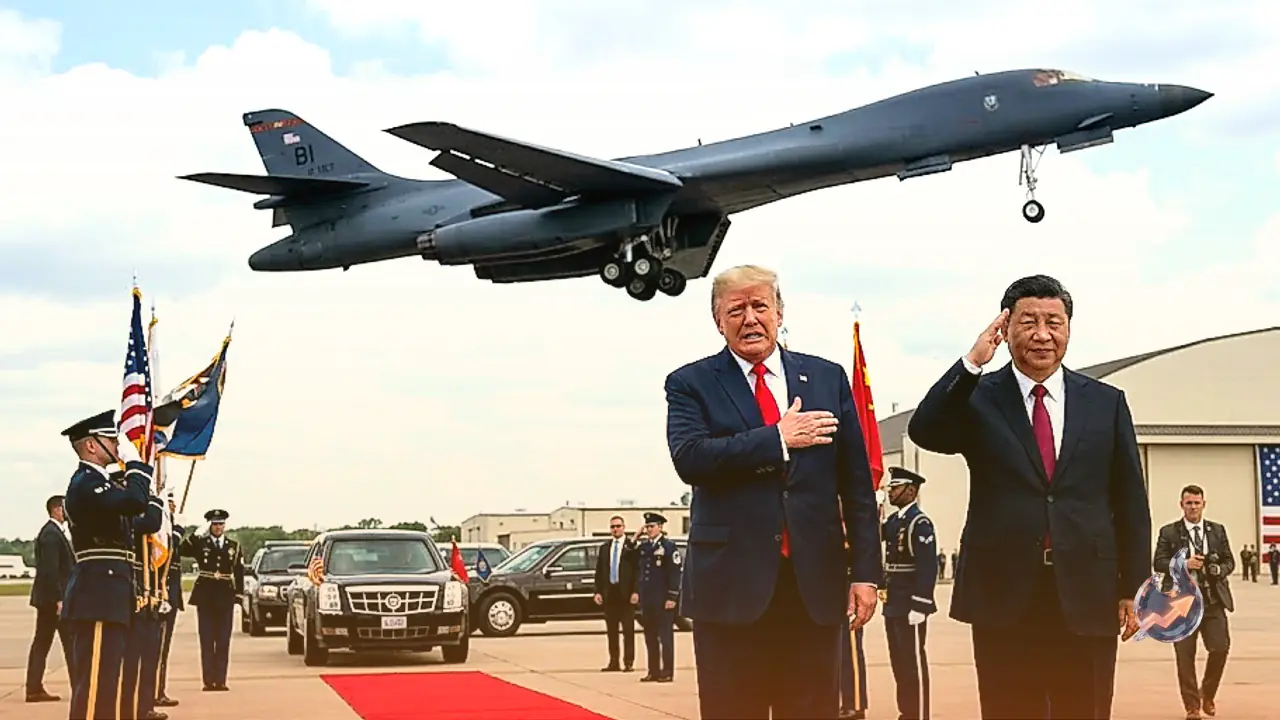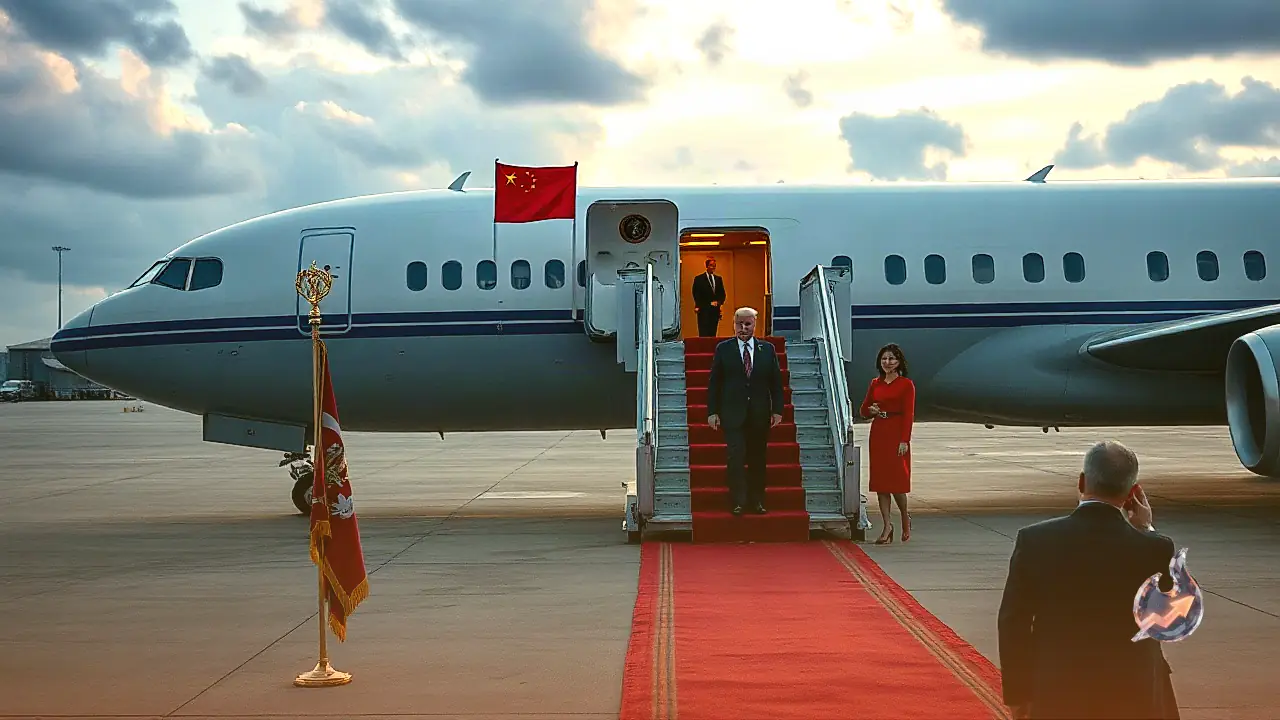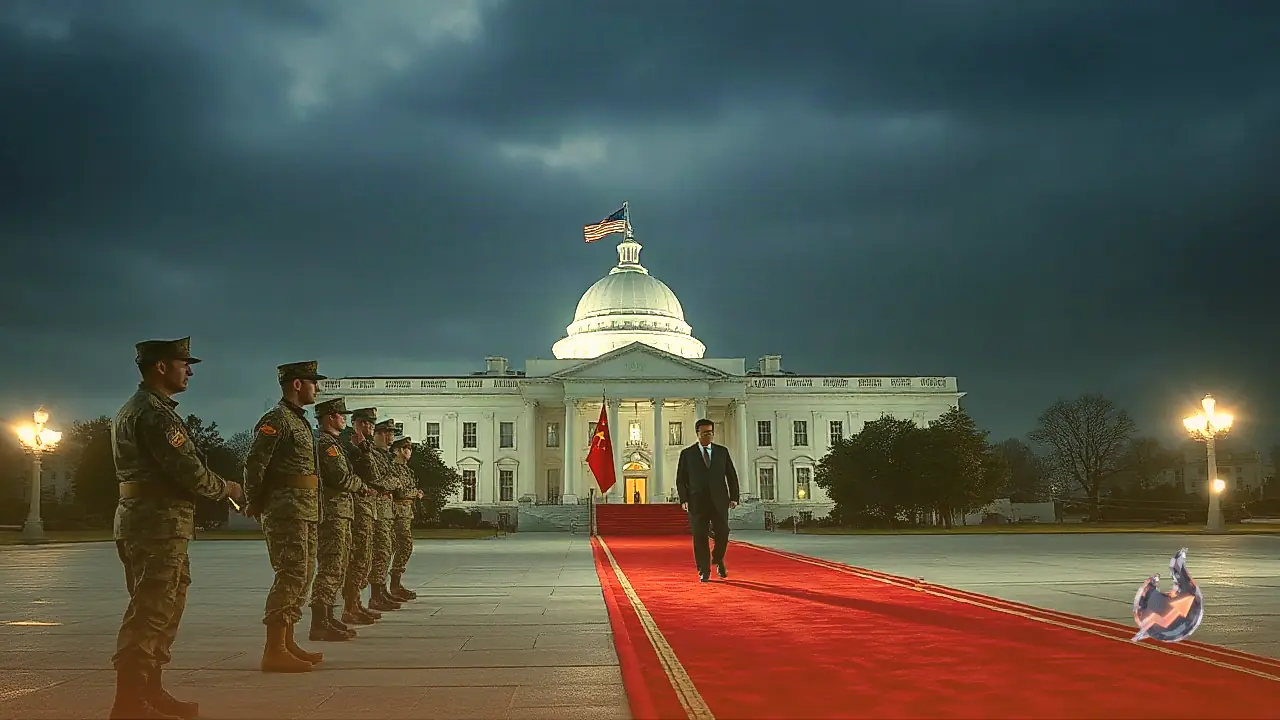





















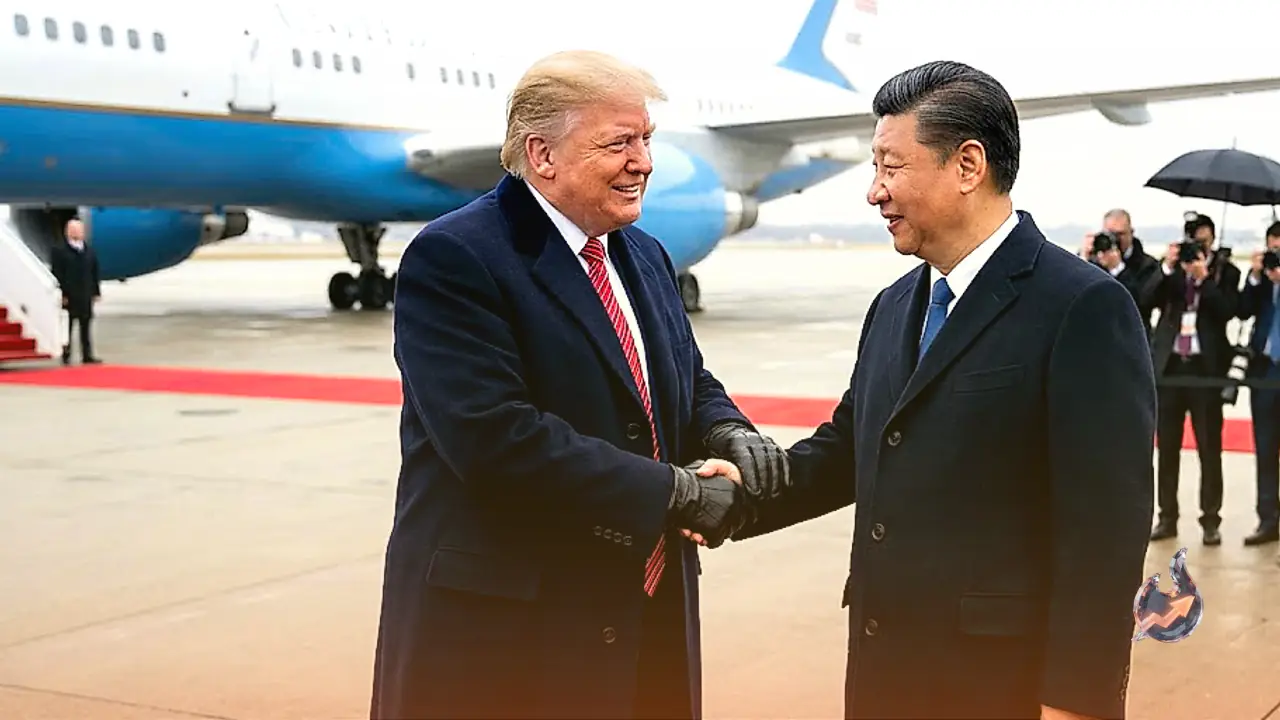

When Chinese President Xi Jinping landed on American soil for an official three-day state visit, the high-stakes diplomatic reception instantly produced an unexpected talking point across global media. Donald Trump personally traveled to Joint Base Andrews on Thursday to receive the Chinese leader directly at the tarmac, departing from the standard diplomatic custom of hosting foreign dignitaries exclusively at the White House. The elaborate arrival ceremony featured a 100-foot-long red carpet, a 21-member military guard of honor, national anthems performed by a military brass band, and artillery salutes. Yet, alongside the display of state pomp, Donald Trump's heavy attire, comprising a full-length winter overcoat and gloves in relatively warm conditions, captured extensive public scrutiny.
Military Welcome and Airbase Protocol
Stepping down from the aircraft alongside his wife Peng Liyuan, Xi Jinping was greeted on the tarmac by Donald Trump and Melania Trump. The couples exchanged formal handshakes and brief introductory words before proceeding down the ceremonial red carpet. Multiple divisions of the United States military participated in the sequence, culminating in an aerial flypast by two B-1 strategic bombers that roared across the sky. Observers highlighted the exceptional nature of Trump's personal appearance at the military installation, as American heads of state rarely make the journey to greet visiting leaders at the airfield rather than waiting at the executive mansion.
Online Debate Over Cold Weather Attire
The ambient temperature at Joint Base Andrews stood at approximately 60 degrees Fahrenheit, translating to roughly 16 to 18 degrees Celsius at the time of the landing. Given the mild weather, Donald Trump's decision to wear a heavy winter coat alongside protective hand coverings quickly ignited speculation across online forums. Various social media commentators questioned why such dense clothing was necessary in temperate conditions. Some observers connected the gloves to visible bruising or blue medication marks that have previously appeared on Trump's hands, suggesting the accessory served to conceal those blemishes. Other commentators wondered if mild illness had left him feeling unusually chilly. While these interpretations circulated widely online, they remain unverified public reactions rather than established medical or official facts.
Critical Talks and an Extended Trade Truce
Xi Jinping's arrival marks his first state visit to the United States in 11 years. Over the course of the three-day schedule, the two leaders are slated to conduct formal deliberations on some of the most consequential issues facing their nations. The official agenda spans bilateral trade disputes, artificial intelligence governance, geopolitical friction surrounding Taiwan, policy regarding Iran, and the securing of critical mineral supply chains.
Hours before Xi Jinping's aircraft touched down at the airfield, the two administrations signaled an effort to stabilize their economic engagement. United States Treasury Secretary Scott Bessent disclosed that Washington and Beijing reached a formal consensus to prolong their current trade truce by two months. Under the revised agreement, the ceasefire period, which had been scheduled to lapse on November 10, will now remain active through January 10.