





















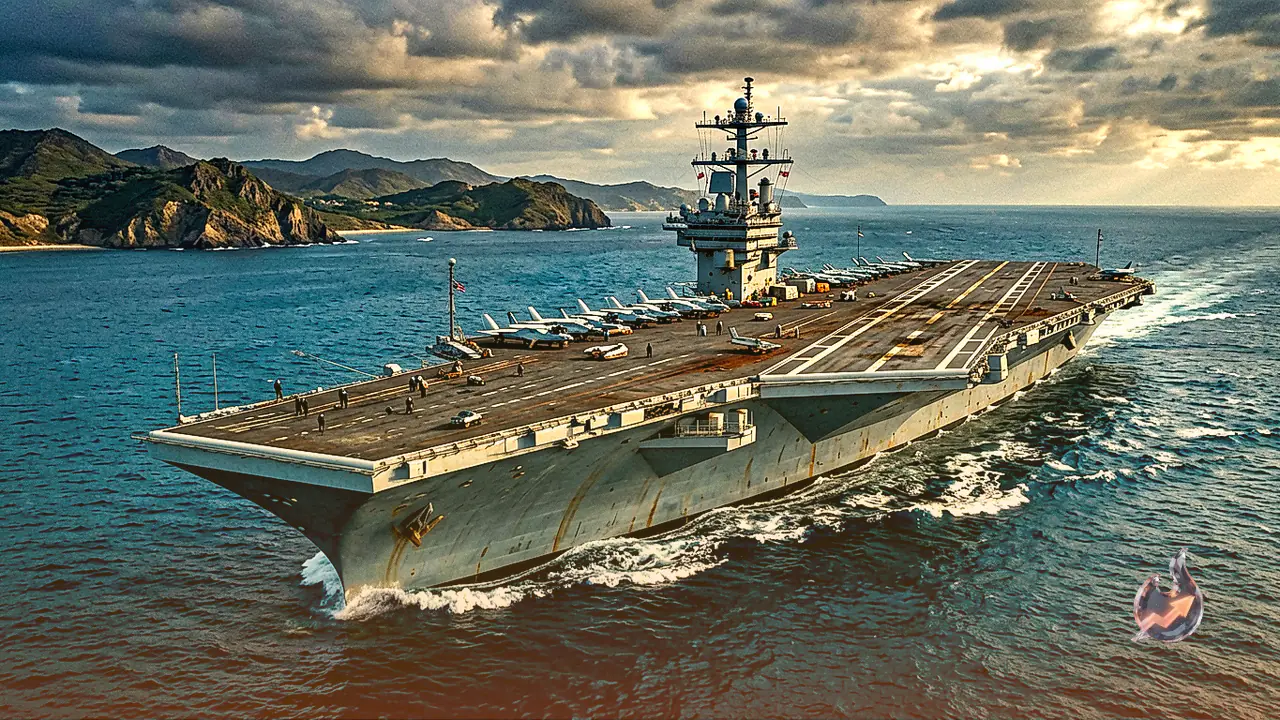

The United States Navy aircraft carrier USS Abraham Lincoln is preparing to return home following a demanding deployment of more than 250 days in the Middle East and Arabian Sea region. The planned departure comes after widespread concerns were raised regarding sailor fatigue, mental wellbeing, and crew morale aboard the nuclear-powered warship. Acting Secretary of the Navy Hung Cao confirmed that the aircraft carrier has completed its assigned mission and will head back to the United States as part of a scheduled force rotation.
Scheduled Rotation and Navy Priorities
In an official statement detailing the deployment wrap-up, Hung Cao emphasized that the warship fulfilled its operational objectives effectively throughout its extended tour. He reassured military families and lawmakers that the safety, security, and health of onboard Navy personnel and Marines remain the top operational priority for the defense leadership during such intensive maritime missions.
USS Abraham Lincoln has completed its deployment in a glorious manner and will soon return home under a set rotation. The security of our sailors and Marines always comes first. - Hung Cao
More Than 200 Consecutive Days Without a Port Call
The carrier strike group was deployed to the Arabian Sea to support ongoing US military operations connected to the conflict involving Iran, a regional confrontation that has now entered its sixth month. Due to operational demands and heightened security protocols, the warship has operated at sea for over 200 consecutive days without pulling into any port for crew liberty or shore leave. This prolonged period of continuous sea duty created significant physical and psychological strain on the personnel stationed on board.
Congressional Scrutiny and Mental Health Oversight
Reports highlighting diminishing morale and psychological stress among the crew prompted close scrutiny from members of the US Congress as well as anxious family members. The prolonged isolation and high-pressure environment sparked urgent inquiries into troop welfare during extended combat deployments. Recent accounts concerning extreme emotional distress among certain sailors further intensified discussions regarding the limits of prolonged operational strain on military personnel.
Balancing Mission Objectives with Troop Wellbeing
Acknowledging the immense pressure faced by troops, Hung Cao explained that the decision to extend the carrier's stay in the theater of conflict was dictated purely by operational necessities at the time. However, military leadership recognizes the severe toll that extended battle-station readiness takes on service members.
Continuous deployment is tough, and combat deployment is even tougher. War is hell, disrupting normal routines. - Hung Cao
With the scheduled rotation underway, military planners are executing transition protocols to maintain regional deterrence capabilities while ensuring that the crew of the USS Abraham Lincoln receives necessary rest, medical evaluation, and reintegration support upon arrival in the United States.