
























A significant strategic development has unfolded across the Arctic after the United States, Denmark, and Greenland reached a new trilateral security arrangement. US President Donald Trump announced on Friday that the three parties had concluded an understanding under which the United States will oversee the defense of Greenland. According to the statements, Washington will secure the permanent capability to execute necessary defense measures across the island whenever it deems required for both Greenland's protection and its own security interests. Crucially, the arrangement stipulates that outside rivals, including Russia and China, will be barred from establishing military installations or pursuing sensitive strategic investments on the island without prior written authorization from the United States. While the public announcement avoided naming specific adversaries, Washington has long voiced persistent apprehension regarding potential Russian and Chinese military footholds in the Arctic basin.
In contrast to the assertive American framing, the announcements released from Copenhagen and Nuuk present a far more circumscribed and legally anchored pact. Leadership in Denmark and Greenland stressed that the agreed text strictly safeguards the constitutional integrity of the Danish realm and explicitly upholds the fundamental right of Greenland's population to self-determination.
Understanding the Constitutional and Geographic Realities of Greenland
Evaluating this strategic transition requires an understanding of the intricate constitutional framework linking Denmark and Greenland. Denmark is a northern European country, a founding member of NATO, and maintains its capital in Copenhagen. Greenland, meanwhile, represents the world's largest island, physically situated within the North American Arctic expanse but politically structured as an autonomous constituent territory within the Kingdom of Denmark. The island exercises substantial domestic self-rule through its own elected parliament and cabinet, while core domains concerning foreign policy and defense remain under the sovereign remit of Copenhagen.
Home to a population of approximately 56,000 residents, the vast majority of whom are of Indigenous Inuit heritage, Greenland's geopolitical significance stretches far beyond its glacial terrain. Positioned directly between North America and northern Europe, it anchors a decisive trans-Atlantic maritime and aerospace crossroads. The United States has continuously operated the Pituffik Space Base in northern Greenland, which plays a central role in aerospace warning networks, ballistic missile early warning, space surveillance, and allied Arctic defense architecture.
Sovereignty and Strategic Influence: The Boundaries of American Control
The latest development marks an evolution in longstanding ambitions from the US executive branch to secure deeper control over the Arctic territory. However, the current framework does not incorporate Greenland as American territory, nor does it establish outright annexation. Sovereignty over the territory remains firmly retained by the Kingdom of Denmark under international law.
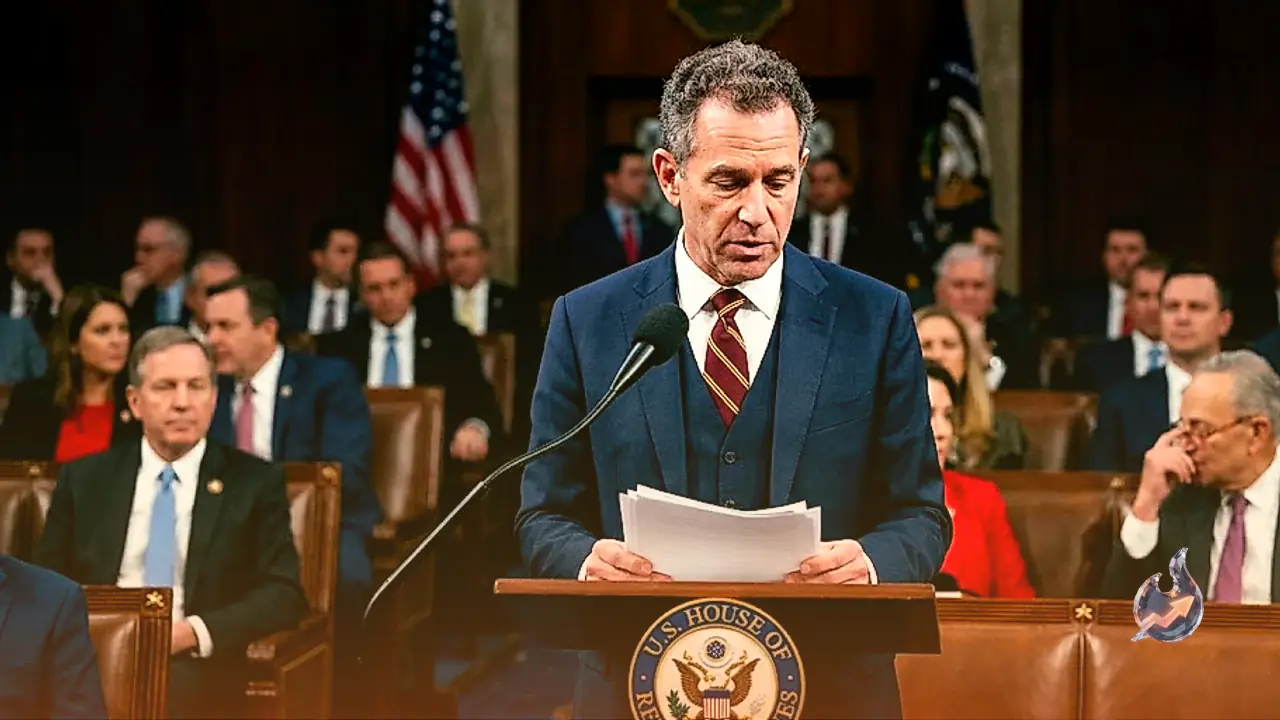
Danish Prime Minister Mette Frederiksen affirmed that the proposed framework fully respects the territorial integrity and sovereign rights of Denmark, alongside the inalienable self-determination rights of the Greenlandic people. Echoing that assessment, Greenland Prime Minister Jens-Frederik Nielsen described the initiative as a coordinated move intended to modernize and fortify regional defense structures rather than dilute self-governance. Diplomatic observers point out that characterizing the arrangement as any legal takeover or informal annexation remains unfounded, particularly as comprehensive contractual clauses have yet to be published and the text must clear scrutiny through the democratic parliamentary procedures of both Denmark and Greenland.
Projected Expansion of US Operational Capabilities
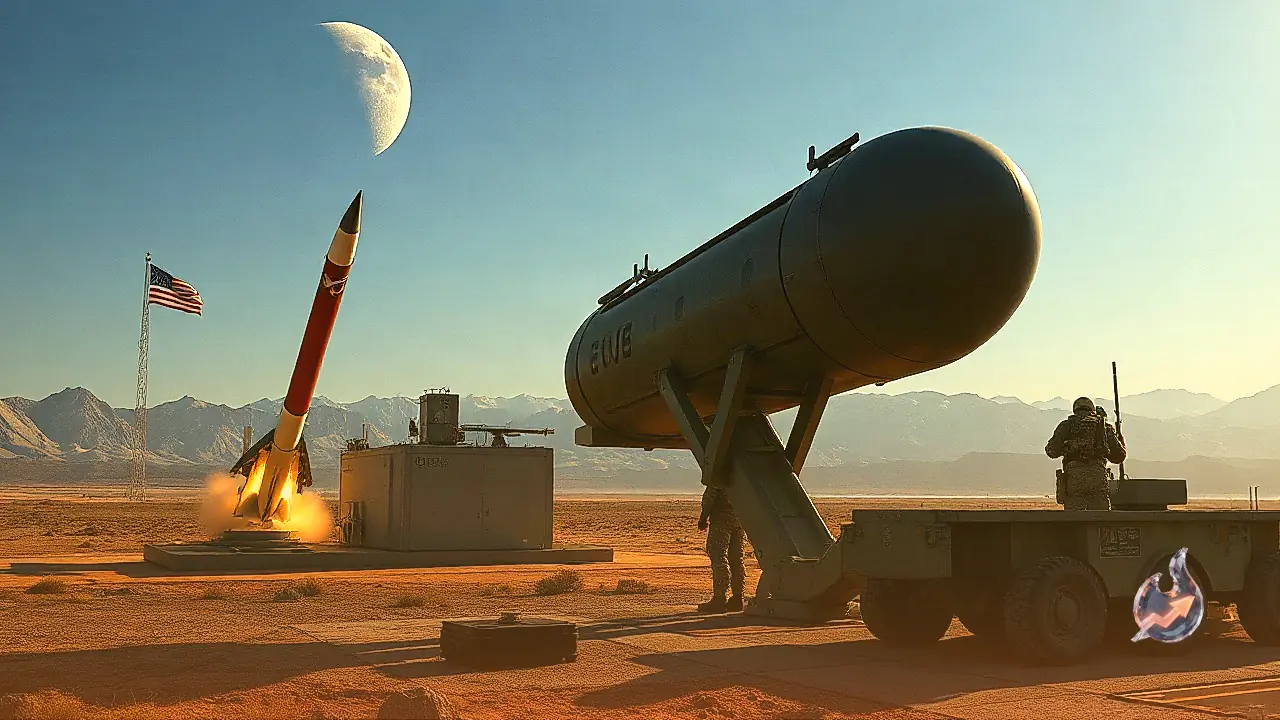
President Donald Trump stated that practical steps to construct an expanded American military footprint across Greenland would commence without delay. Under his account of the deal, the United States will secure an enduring, institutionalized capacity to stage operations necessary for island defense. Furthermore, he noted that the implementation of this protective presence will not impose additional financial burdens on the American administration.
The tangible consequences of this shift will become clearer once detailed operational blueprints and military deployment parameters are formally presented to lawmakers. Crucial points of observation will center on whether American forces obtain authorization to establish new operational outposts alongside or beyond Pituffik, what categories of maneuvers may be conducted, and the legal mechanisms granting Washington veto oversight over foreign infrastructure initiatives.
Intensifying Great-Power Rivalry in the High North
This Arctic security pact arrived alongside wider economic and geopolitical maneuvers from Washington. On the very same Friday, President Donald Trump signed legislation establishing tariffs of up to 100 percent on nations that purchase Russian oil supplies. That severe commercial penalty dealt an immediate fiscal shock to buyers across international energy markets, including Russia and China, and the Arctic announcement compounded their strategic pressures within hours.
The Arctic has steadily transformed into a primary arena of competitive maneuvering between the United States, Russia, and China. As accelerating polar ice loss gradually opens commercial maritime passages across northern shipping lanes, global attention has sharpened on Greenland's extensive mineral wealth, particularly its untapped rare earth elements and raw commodities. Should the United States secure effective vetting power over foreign defense assets and sensitive infrastructure, Chinese aspirations to finance dual-use Arctic ports and scientific centers will encounter stringent containment. For Russia, an intensified American presence, expanded early warning systems, and enhanced anti-submarine detection networks in the high north represent a direct challenge to its northern fleet operations.
Local Politics, Raw Resources, and European Investment
The ultimate durability of this trilateral framework will face its most rigorous examination within Greenland's domestic political landscape. Even with explicit guarantees honoring autonomy and self-determination, the island's 56,000 residents and Inuit community leaders will closely scrutinize how incoming military developments impact fragile ecosystems, indigenous rights, and municipal authority.
Simultaneously, competition over critical raw materials is poised to accelerate. While the United States moves to insulate strategic deposits against rival state-backed enterprises, the European continent is also striving to expand its economic footprint across the island. Demonstrating this commitment, the European Commission has committed a dedicated 200 million euro investment package for Greenland spanning the 2026-27 cycle.
In broader strategic terms, this new pact provides an institutional avenue to ease diplomatic friction that previously strained bilateral relations between Washington and Copenhagen. The Danish government has framed the understanding as a constructive reinforcement of shared North Atlantic security, serving to bolster NATO's overall posture across the high north.