





















More than six months have elapsed since the conflict involving Iran began, yet expectations in Washington of securing swift destruction and regime change have failed to materialize. Despite significant military pressure and the expenditure of billions of dollars, the fighting continues unabated, and the governing administration in Tehran remains firmly in place. Strategic aims on both fronts remain entangled in persistent battlefield complexities.
Assets Strained and Strategic Pushback
The operational landscape has proven costly, with several American military installations across Arab countries sustaining heavy damage from Iranian strikes. In addition, certain US Navy aircraft carriers have also been hit during the prolonged engagements. On the global stage, the continued fighting has triggered an acute energy crisis, complicating international markets while the primary military objectives remain unfulfilled.
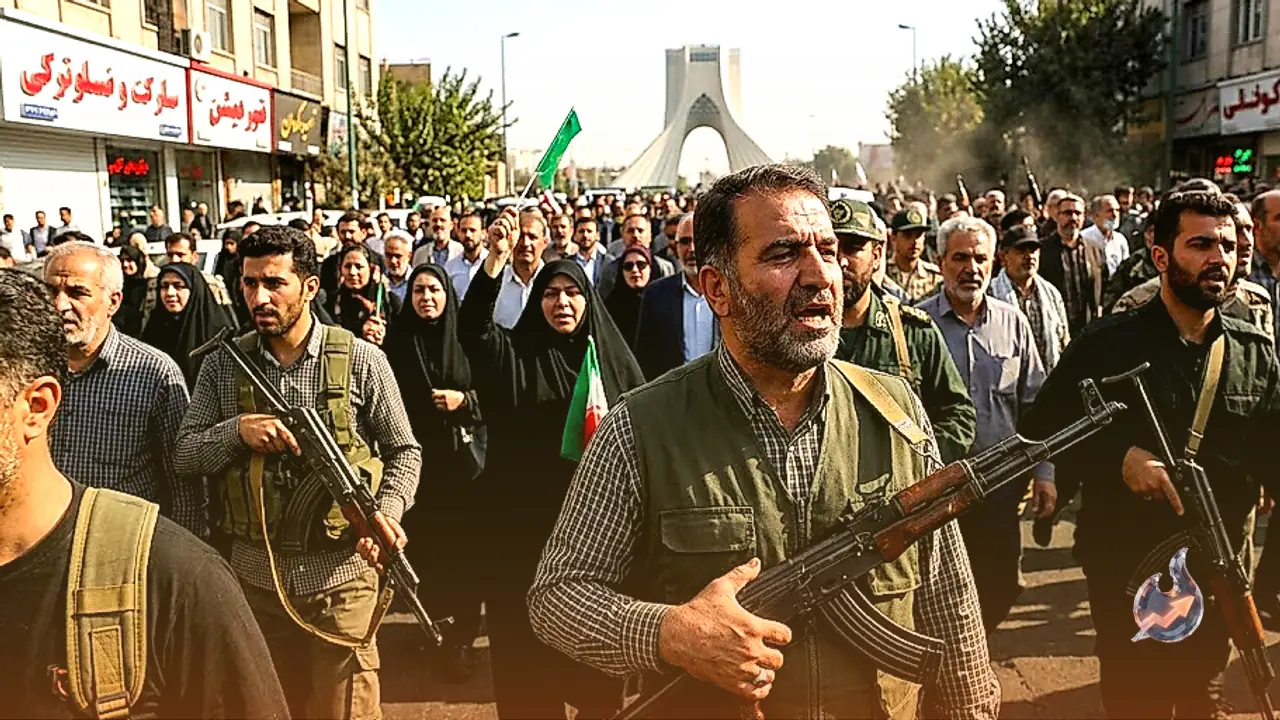
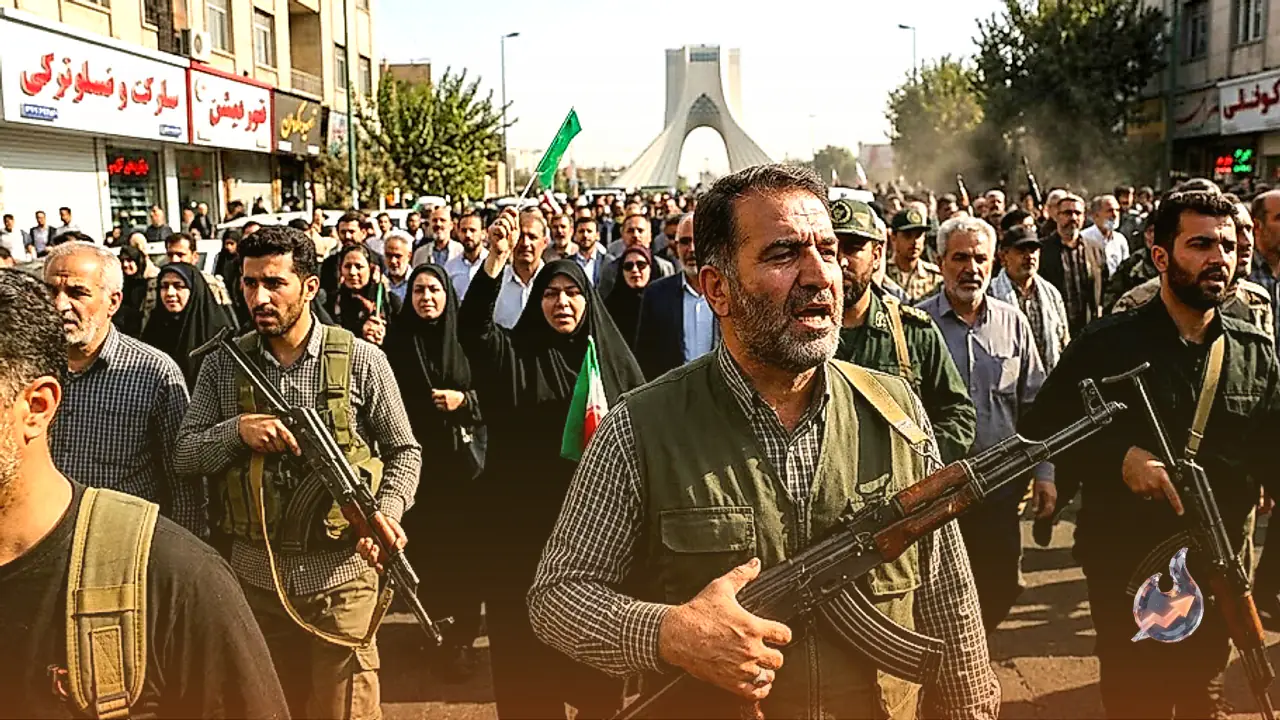
Mass Solidarity Rally in the Capital
Fresh demonstrations from Tehran underscore the extent of public mobilization across the country. Thousands of men and women gathered on the capital's streets to signal their readiness for prolonged confrontation, with visuals showing armed female participants joining the ranks. President Masoud Pezeshkian participated directly in the solidarity march, reflecting an uncompromising stance from the Iranian leadership amid continuing external pressure.