


















Diplomatic relations between India and China have historically experienced significant fluctuations. From the 1962 border conflict to the military standoff in the Galwan Valley in 2020, bilateral ties have frequently been tested by boundary friction. However, both neighboring countries have consistently engaged through diplomatic channels to resolve pending issues and restore stability along the frontier. In the latest effort, the 36th meeting of the Working Mechanism for Consultation and Coordination on India-China Border Affairs (WMCC) was held in New Delhi. During these high-level talks, India communicated a clear and firm position: maintaining peace and tranquility along the Line of Actual Control (LAC) is an essential prerequisite for any meaningful progress in broader bilateral relations. Furthermore, India reiterated its deep concerns regarding China's massive upstream hydroelectric project on the Brahmaputra River in Tibet, demanding the immediate sharing of complete technical details.
High-Level WMCC Deliberations Convene in New Delhi
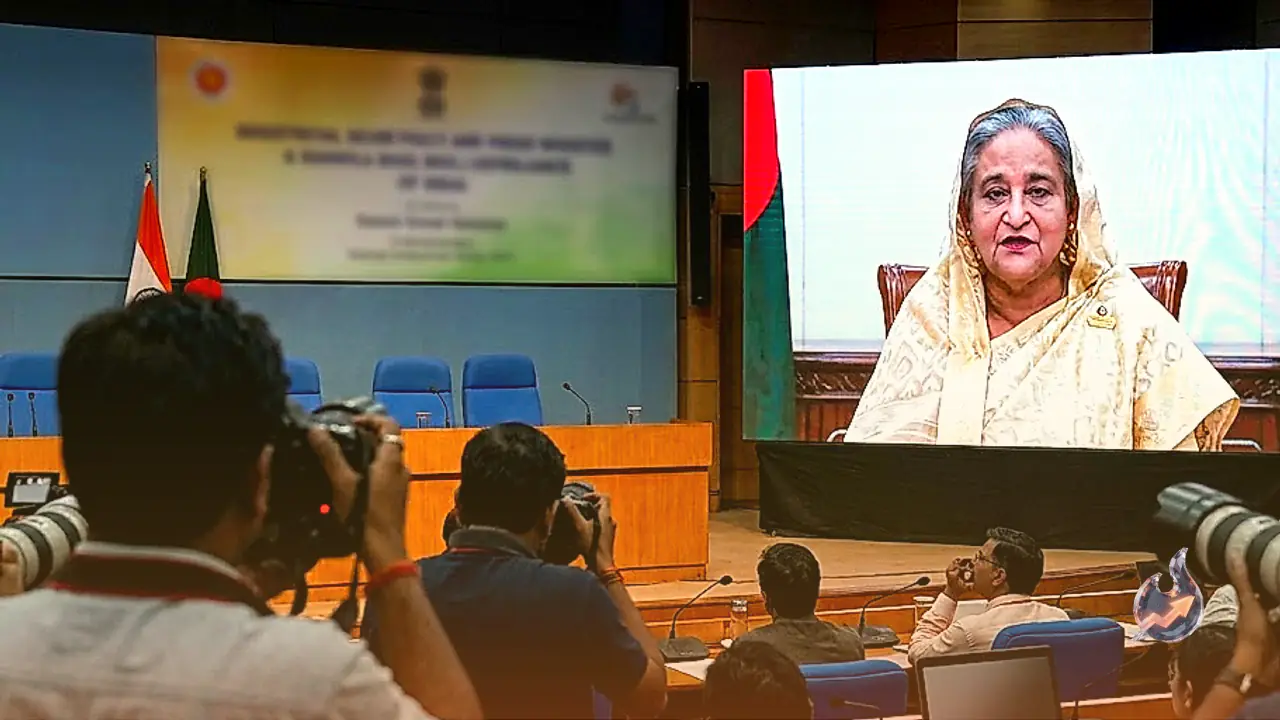
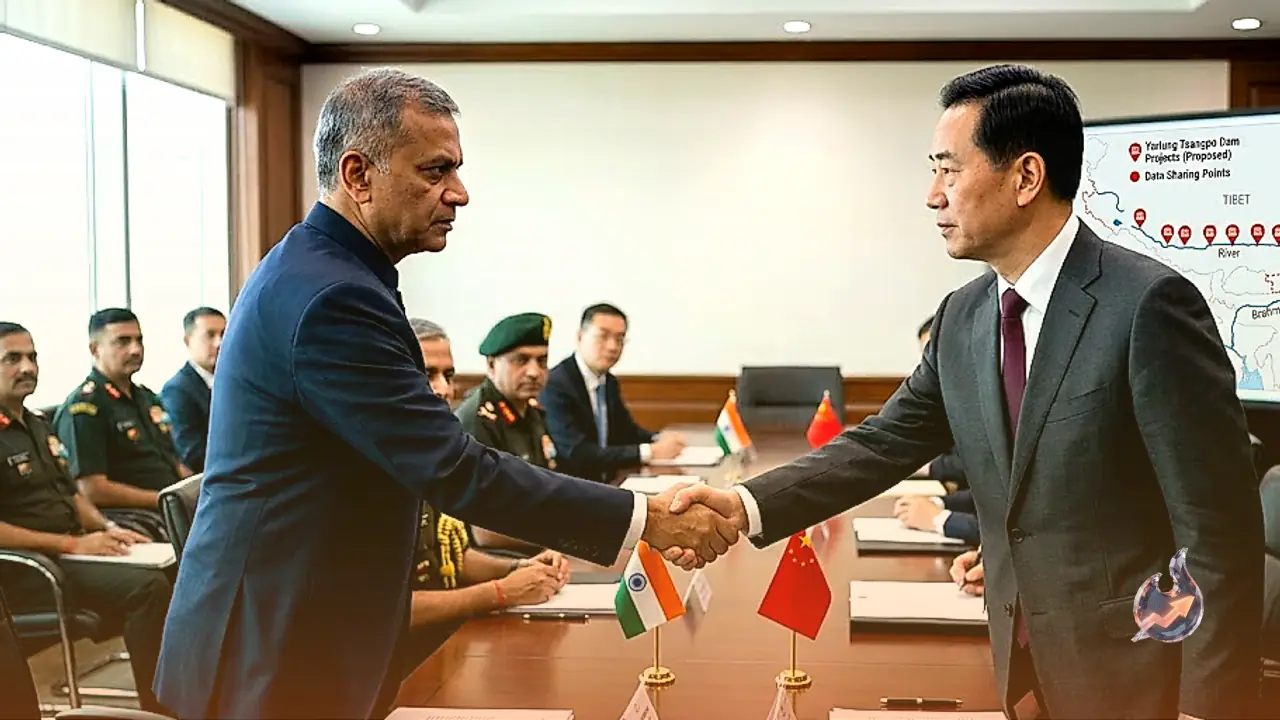
The 36th session of the WMCC in the Indian capital brought together senior diplomatic representatives from both nations to review boundary developments. The Indian delegation was led by Sujit Ghosh, Joint Secretary overseeing East Asia in the Ministry of External Affairs. The Chinese delegation was headed by Hou Yanqi, Director-General of the Department of Boundary and Maritime Affairs within China's Ministry of Foreign Affairs. Both delegations conducted a comprehensive review of the current situation along the LAC, engaging in candid discussions on border management, institutional protocols, border demarcation efforts, and cross-border cooperation. These deliberations built upon the outcomes of the 24th round of Special Representatives talks on the boundary question, focusing on strengthening operational mechanisms to prevent misunderstandings along the frontier.
Demands for Data Sharing on the $137 Billion Yarlung Zangbo Mega-Dam
Cross-border river management formed a critical part of the dialogue in New Delhi. China is planning a colossal hydroelectric dam on the upper reaches of the Brahmaputra River, known as the Yarlung Zangbo in the Tibetan Autonomous Region. With an estimated construction cost of nearly $137 billion, the proposed infrastructure ranks among the world's largest planned power projects, expected to generate approximately three times more electricity than China's famous Three Gorges Dam. India urged Beijing to promptly share detailed technical parameters, operational data, and flow management plans for the facility. Additionally, New Delhi called for the early convening of the next meeting of the Expert Level Mechanism (ELM) on transboundary rivers, reiterating a request previously made during the 35th WMCC session held in Beijing in May.
Downstream Environmental Hazards and Impact on Population
India's technical queries stem from significant environmental and hydrological risks associated with heavy construction on the ecologically sensitive Tibetan plateau. Geographically, the Yarlung Zangbo flows eastward through Tibet before entering the Indian state of Arunachal Pradesh as the Siang River, subsequently flowing through Assam as the Brahmaputra and continuing downstream into Bangladesh. Any uncoordinated diversion, storage, or alteration of natural river flow could severely affect millions of people living along the river basin in North-East India and Bangladesh by threatening water security and heightening flood risks. Consequently, India highlighted the necessity for total operational transparency and substantive consultation with downstream neighbor states.
Frontier Stability Remains Key to Broader Bilateral Progress
Since the military standoff of 2020, both nations have been working to gradually normalize communication channels. India reiterated that maintaining sustained peace in border regions remains indispensable for the overall development of bilateral ties. Both sides agreed on the effective utilization of existing dialogue channels to prevent miscalculations or operational misalignments. Alongside the WMCC, local military commander level meetings and established diplomatic protocols will continue to be leveraged. India stressed that maintaining equilibrium along the LAC is fundamental to rebuilding mutual trust and restoring regular state-to-state engagements.