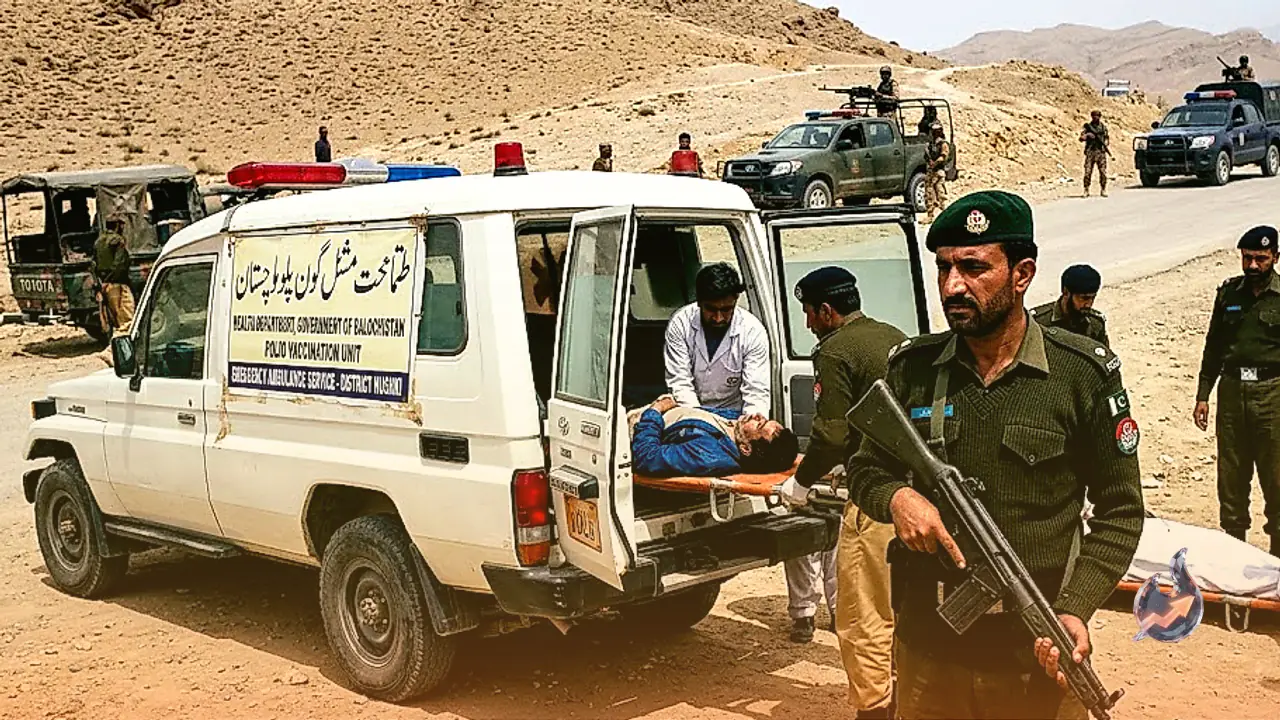























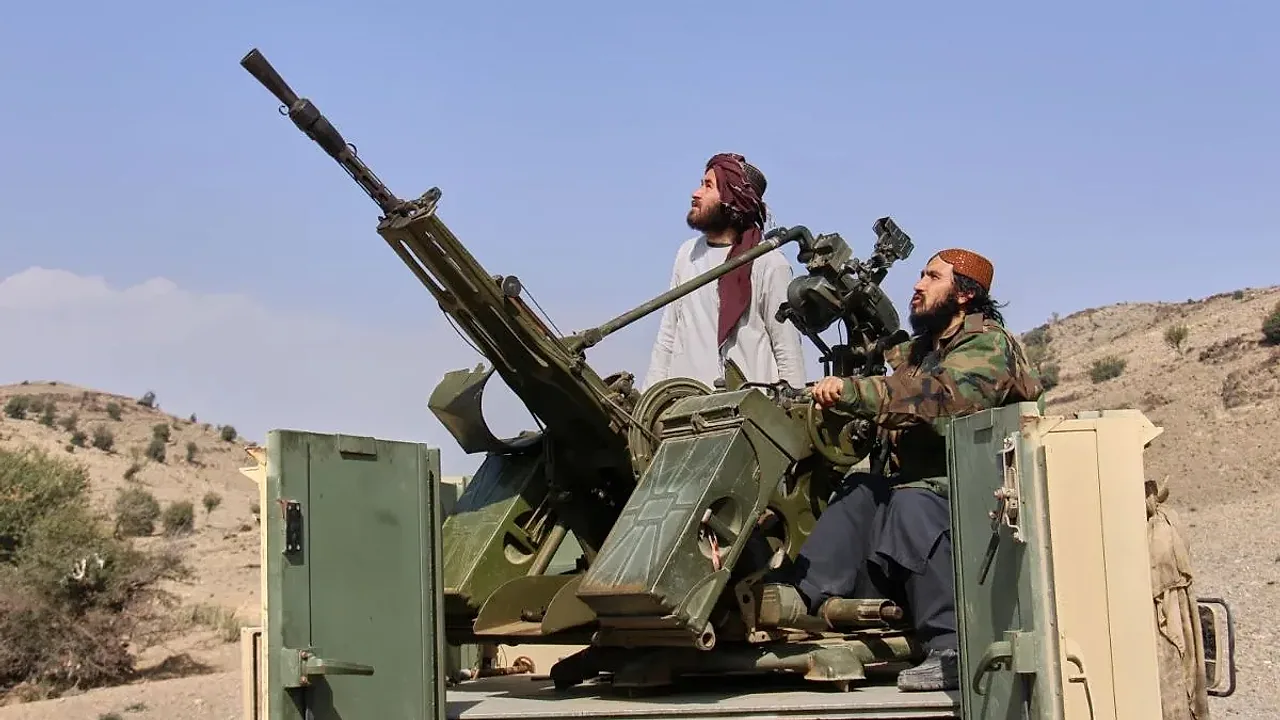

Border tensions between neighboring states escalated sharply following a violent confrontation in the Gulistan sector of Balochistan, where Pakistani security forces confronted and neutralized multiple Afghan Taliban fighters during an attempted cross-border infiltration on Thursday. Official security personnel reported intercepting an armed contingent attempting to push into sovereign territory to launch hostile strikes, triggering an intense and immediate counter-assault. While local security formations confirmed significant casualties among the invading fighters, independent verification regarding the exact casualty figure and tactical circumstances remains constrained.
Intermittent Firefights Continue Past Midnight
The ground confrontation flared in the rugged Gulistan sector when Afghan Taliban fighters allegedly moved across the demarcation line to execute coordinated offensive actions. Border units responded with immediate suppressive fire, stalling the attempted advance and eliminating several fighters in the opening barrage. Security sources indicated that heavy weapon exchanges and intermittent firing continued past midnight across the contested boundary. Authorities in Kabul have withheld any immediate, exhaustive operational statement detailing the ground engagements in Gulistan.
Airstrikes and Drone Barrages Target 10 Locations
Thursday's ground clash unfolded immediately after Pakistani forces carried out widespread airstrikes and armed drone operations against 10 operational points across the border in Afghanistan. Explaining the military justification, Information Minister Attaullah Tarar emphasized that the precision strikes were launched under the legitimate right of sovereign self-defense, following unprovoked drone intrusions originating from Afghan territory on Wednesday. He underlined that the strikes remained confined to launch sites and equipment storage nodes directly tied to hostile activities.
"Pakistan exercised its sovereign right of self-defense to carry out deliberate, precision aerial and drone strikes against 10 locations in Afghanistan where these launch and staging sites were stationed."
Attaullah Tarar described the operation as deliberate, proportional, and strictly necessary, adding that hostile drone incursions represented a clear and intolerable breach of territorial integrity. He maintained that military planners carefully avoided peripheral sites, centering target selection exclusively on infrastructure enabling ongoing aerial assaults across the border.
Casualties and Strong Condemnation Reported from Kabul
In response to the aerial campaign, the Afghan Taliban administration issued a forceful rejoinder through its chief spokesperson, Zabihullah Mujahid. Addressing the strikes on social media, Mujahid reported that the airstrikes claimed the lives of 4 Afghan civilians and warned that Kabul reserved the right to deliver a measured and decisive response. He cautioned military leadership in Pakistan against the severe ramifications of persistent territorial strikes, while firmly denying any involvement in staging or launching drone incursions into Pakistani airspace.
Interception of 8 Aerial Drones Ignited the Crisis
The immediate trigger for the confrontation took place on Wednesday, when air defense forces reported the detection and destruction of 8 hostile aerial drones. According to official data, 4 unmanned aerial vehicles were brought down near the strategic Torkham crossing, while the remaining 4 were intercepted near Kohat in Khyber Pakhtunkhwa province. While Afghan officials denied any linkage to the unauthorized flights, the military response escalated the very next morning into broad punitive strikes across 10 Afghan locations.
Lingering Fallout from September 21 Strikes and the TTP Rift
This latest surge in violence marks a severe escalation in a security rift that deepened following military strikes on September 21. During those operations, Islamabad stated that strikes against camps operated by the banned Tehrik-i-Taliban Pakistan (TTP) eliminated 28 terrorists, including suicide squad members. Afghan officials disputed that operational summary, stating that the strikes instead resulted in the deaths of at least 3 civilians and injured 4 others, prompting the Taliban government to summon Islamabad's charge d'affaires in Kabul to register a formal diplomatic protest.
The sheltering and cross-border mobility of TTP militants has remained a persistent fault line between both governments. Islamabad routinely alleges that TTP operatives utilize Afghan hideouts as safe sanctuaries to orchestrate and execute attacks within Pakistani territory. Afghan authorities consistently dismiss these claims, asserting that sovereign territory is not permitted to serve as a launchpad against neighbors. Pakistani authorities maintain that the continued cross-border strikes are part of the sustained counter-terrorism initiative 'Ghazab Lil Haq', which commenced in February to eliminate militant infrastructure.