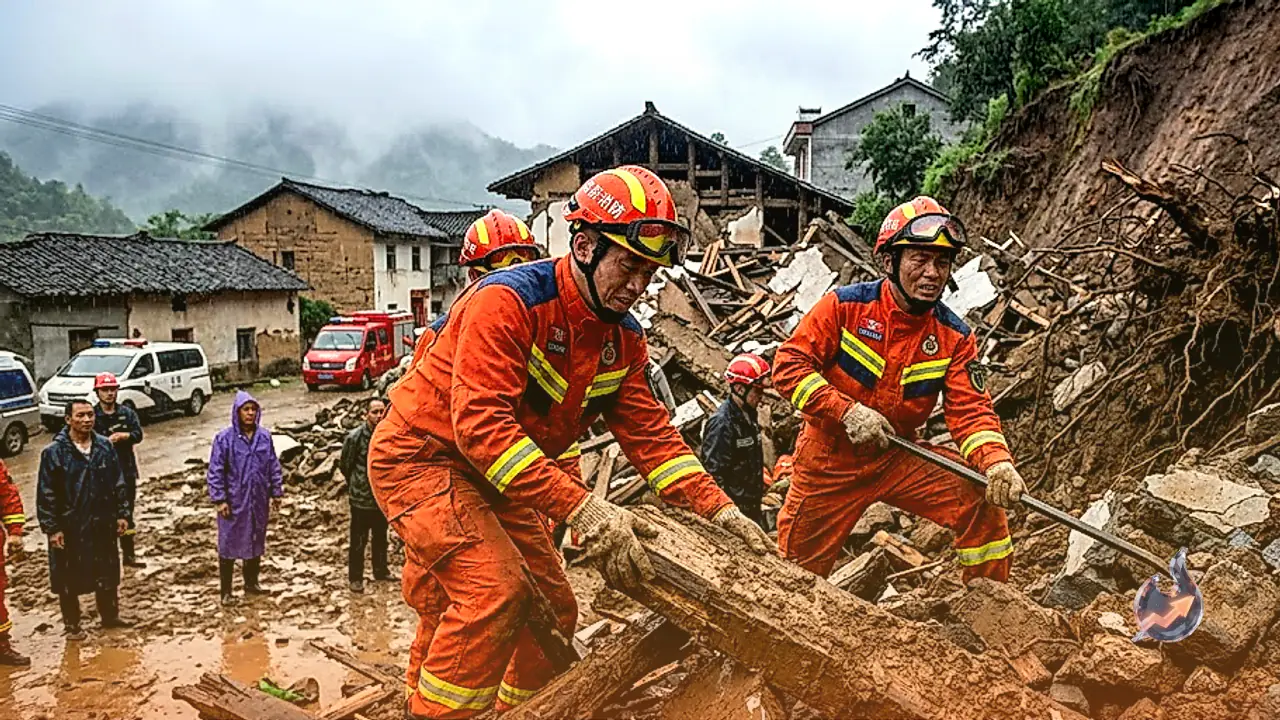




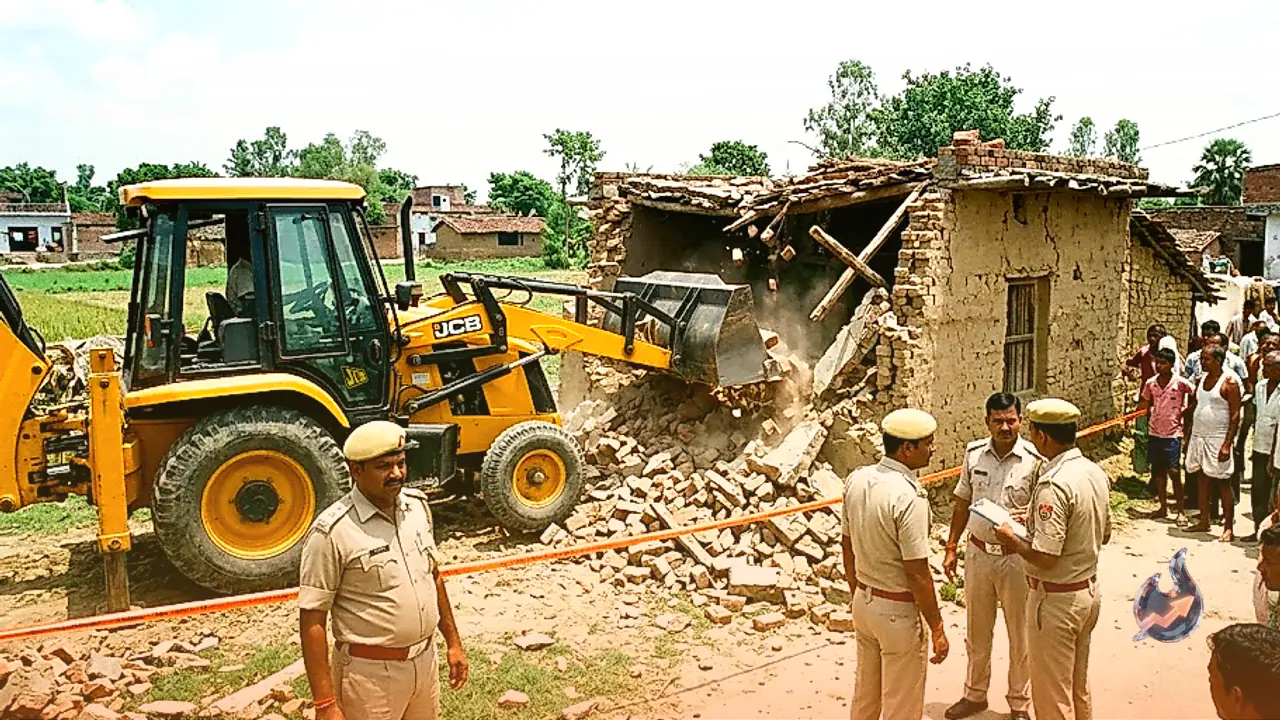


















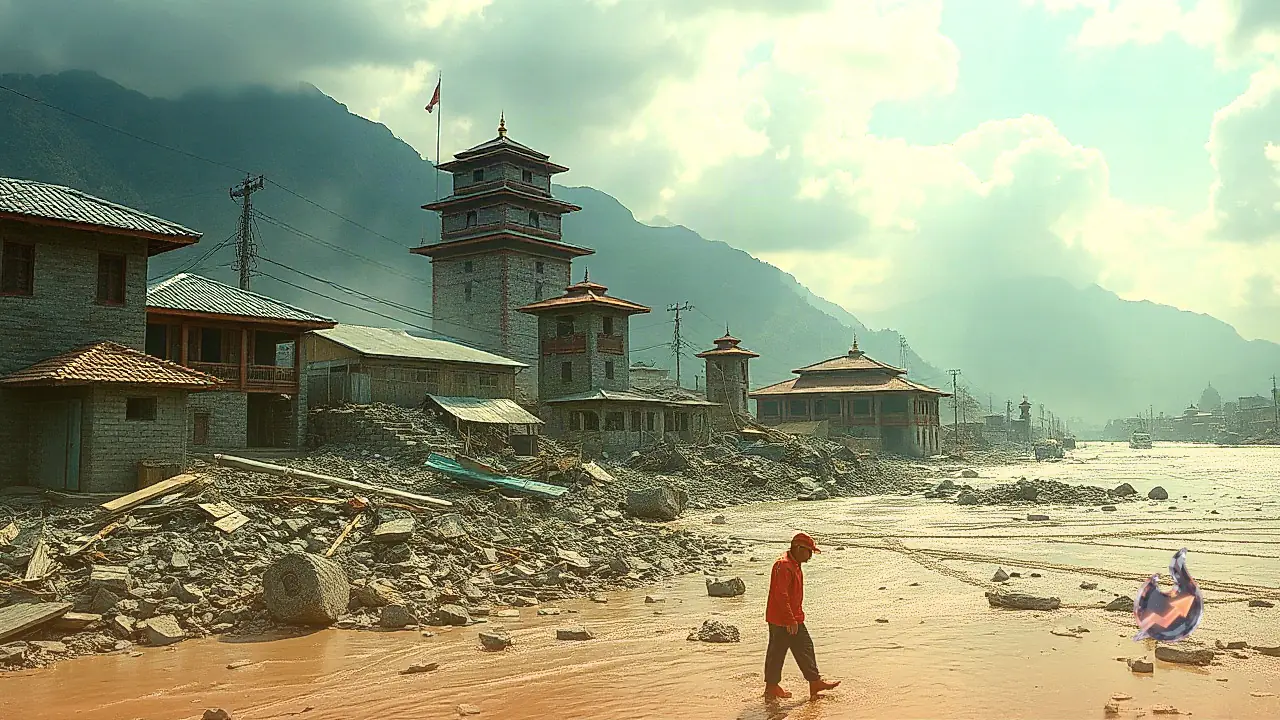

The catastrophic flash floods and landslides that surged into Nepal from Tibet on August 26 have severely crippled the nation's infrastructure and economic stability. Amid ongoing rescue operations and efforts to recover bodies, the Nepalese government submitted an official preliminary damage assessment report to the Parliamentary Finance Committee. Presented by the Ministry of Finance, the document details widespread devastation across transportation networks, the financial sector, educational institutions, power supply, and agricultural land. A major consequence of the disaster is the complete shutdown of border trade with China, dealing a significant blow to customs revenue collection.
Paralyzed Trade with China and Disrupted Highway Networks
Dr. Ghanshyam Upadhyay, Finance Secretary of Nepal, outlined the extent of the economic shock during a meeting of the House of Representatives' Finance Committee. He revealed that devastating floods in Rasuwa, coupled with severe road subsidence and landslides at Krishnabhir, have completely cut off the supply chain along the northern border. Floodwaters and debris at the Rasuwagadhi border point brought freight movements from China to a standstill. In an effort to keep imports flowing, the government deployed additional personnel to the Korala border point as an alternative transit hub. However, as the road collapsed at Krishnabhir, the logistical bottleneck intensified, severely restricting supply routes across the country.
Providing a breakdown of damaged road infrastructure, Upadhyay reported that a 55-kilometer stretch of the Betrawati-Rasuwagadhi highway was entirely swept away by the deluge. Additionally, a 4-kilometer paved section of the Galchhi-Devighat road sustained partial damage, while a 10-kilometer segment of the Devighat-Trishuli-Betrawati road was also partially disrupted. The destruction of these crucial arteries has paralyzed cargo transit and hindered emergency relief distribution.
Destruction of Bridge Infrastructure Across Districts
The severe weather caused unprecedented damage to the country's bridge network. According to the report presented to the parliamentary panel, a total of 33 motorable bridges across four affected districts were completely destroyed. Four other major bridges suffered partial structural damage. Furthermore, 68 suspension bridges, which serve as essential lifelines for mountain communities, were rendered impassable or damaged. The aggregate length of the destroyed and damaged motorable bridges is estimated at approximately 3,000 meters, leaving several remote towns isolated from regional administration hubs.
Blow to Banking, Commercial Outlets, and Local Industry
Beyond transportation, the calamity inflicted heavy losses on Nepal's commercial sector. Data from the Ministry of Finance indicates that 17 branches belonging to 12 commercial banks sustained full or partial damage. In the business realm, around 4,800 commercial establishments were completely destroyed. A detailed breakdown in the assessment reveals that 1,259 hotels and restaurants, alongside 1,212 wholesale and retail businesses, suffered severe structural losses. Manufacturing and services were similarly disrupted, with 263 industrial units and 227 service-sector operations coming to a sudden halt.
Widespread Loss of Housing, Public Buildings, and Schools
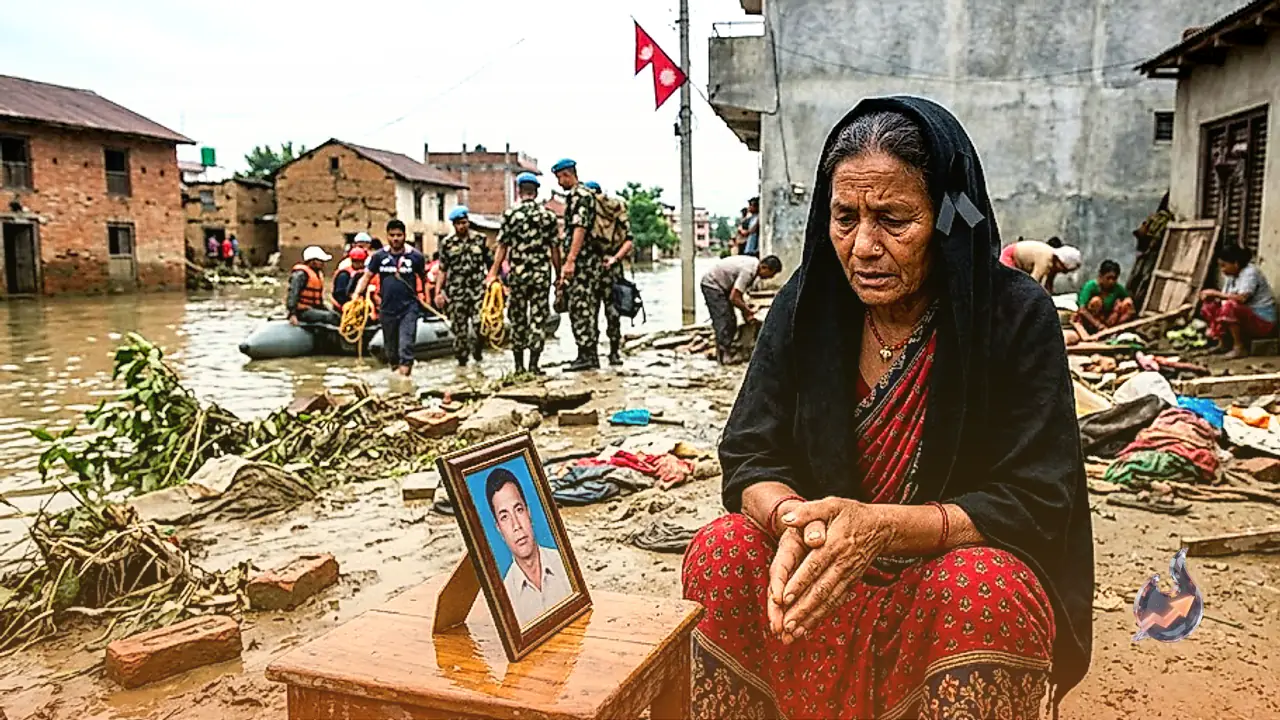
Thousands of families have been rendered homeless by the floodwaters. The official report confirms that 7,570 private residential structures were either completely destroyed or partially damaged, forcing residents into temporary shelters. Public infrastructure was also heavily impacted, with 48 government buildings reporting damage, 35 of which were totally destroyed. The education sector suffered a critical blow, as 56 school buildings across 18 educational institutions were destroyed, wiping out a total of 308 classrooms and interrupting schooling for thousands of children.
Impact on Agriculture, Energy, and Utility Projects
Nepal's agricultural foundation took a major hit, with floodwaters submerging and destroying 1,806 hectares of arable farm land. In the energy and water management sectors, 13 hydroelectricity projects and 25 irrigation systems reported significant structural damage. Furthermore, 345 utility infrastructure projects related to electricity distribution, cooking gas supply, and drinking water networks were crippled, causing utility shortages in multiple districts. Finance Secretary Upadhyay noted that financial aid is continuously flowing into the Prime Minister's Relief Fund from domestic donors as well as Nepalese expatriates abroad.
Tunnel Rescue Operations in Chilime and Indian Support
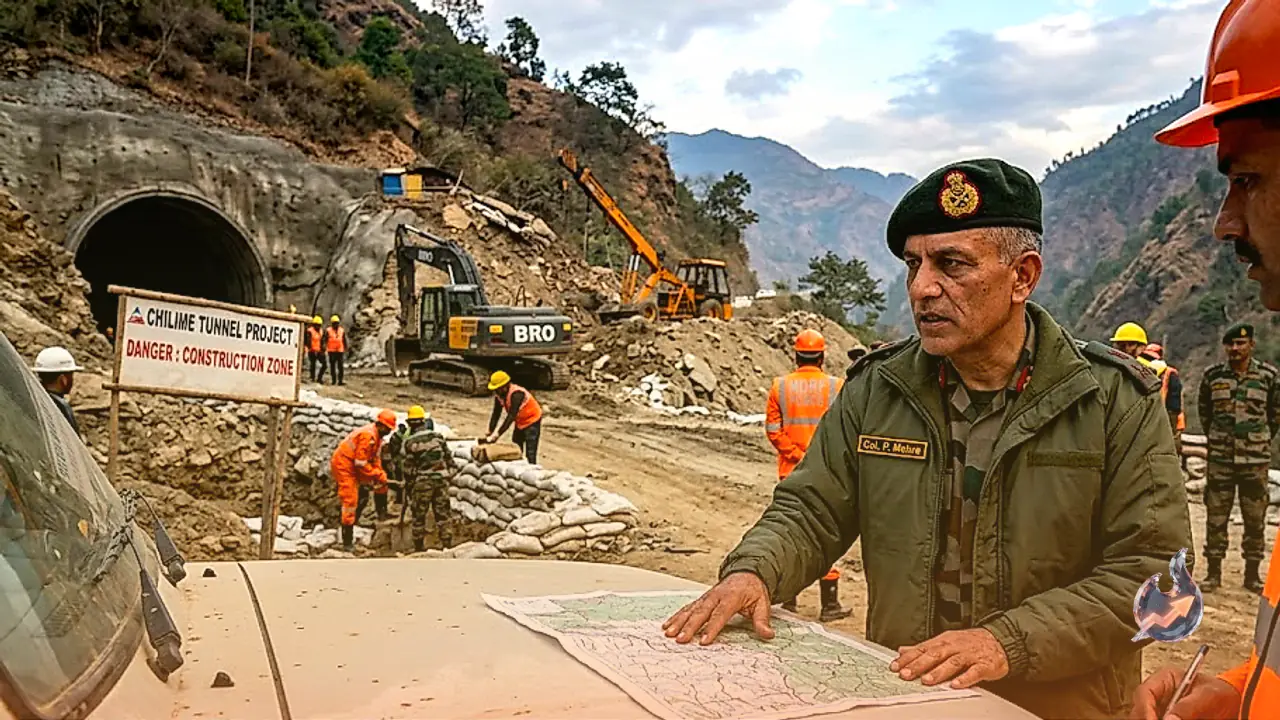
Parallel to the infrastructure assessment, emergency rescue efforts remain active in high-risk zones. In the Chilime region, operations are underway to free workers trapped inside a flooded hydroelectric power tunnel. To reach the obstructed sections of the tunnel, personnel from the Indian Army, the National Disaster Response Force (NDRF), and the Border Roads Organisation (BRO) are actively excavating and constructing an alternative access route. Specialized machinery and rescue teams are working around the clock to clear debris and safely extricate trapped personnel.