
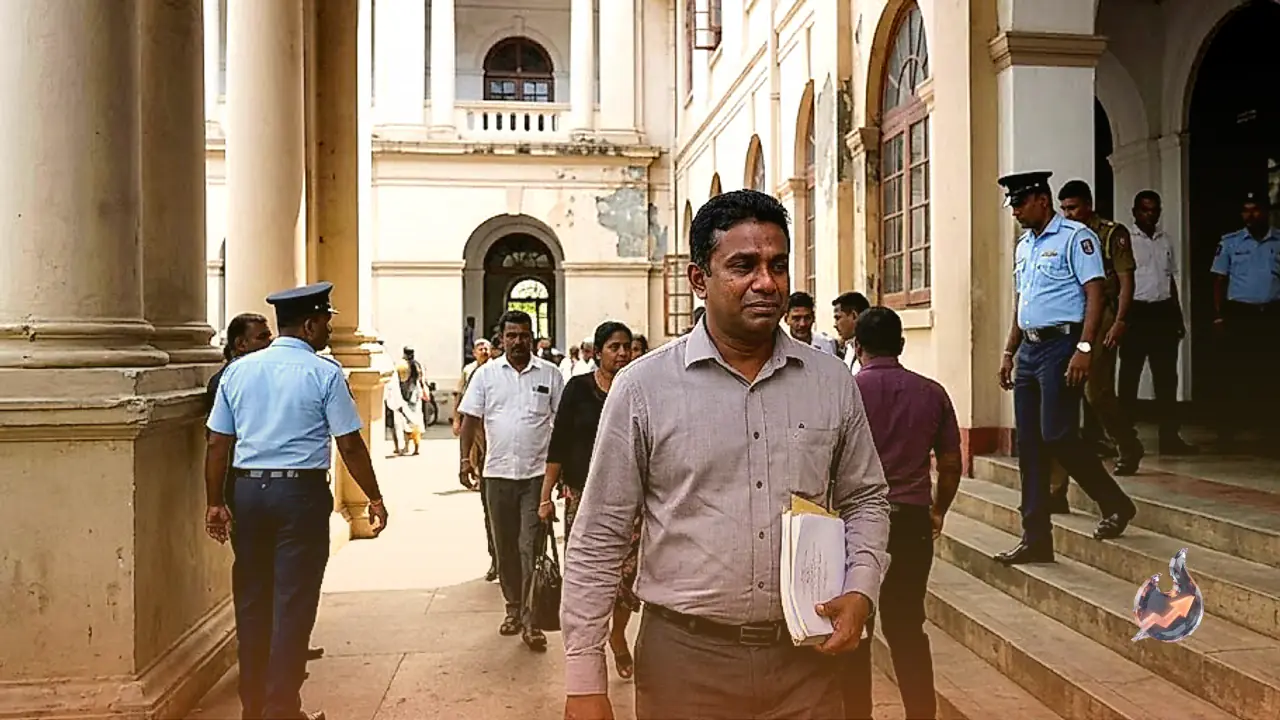

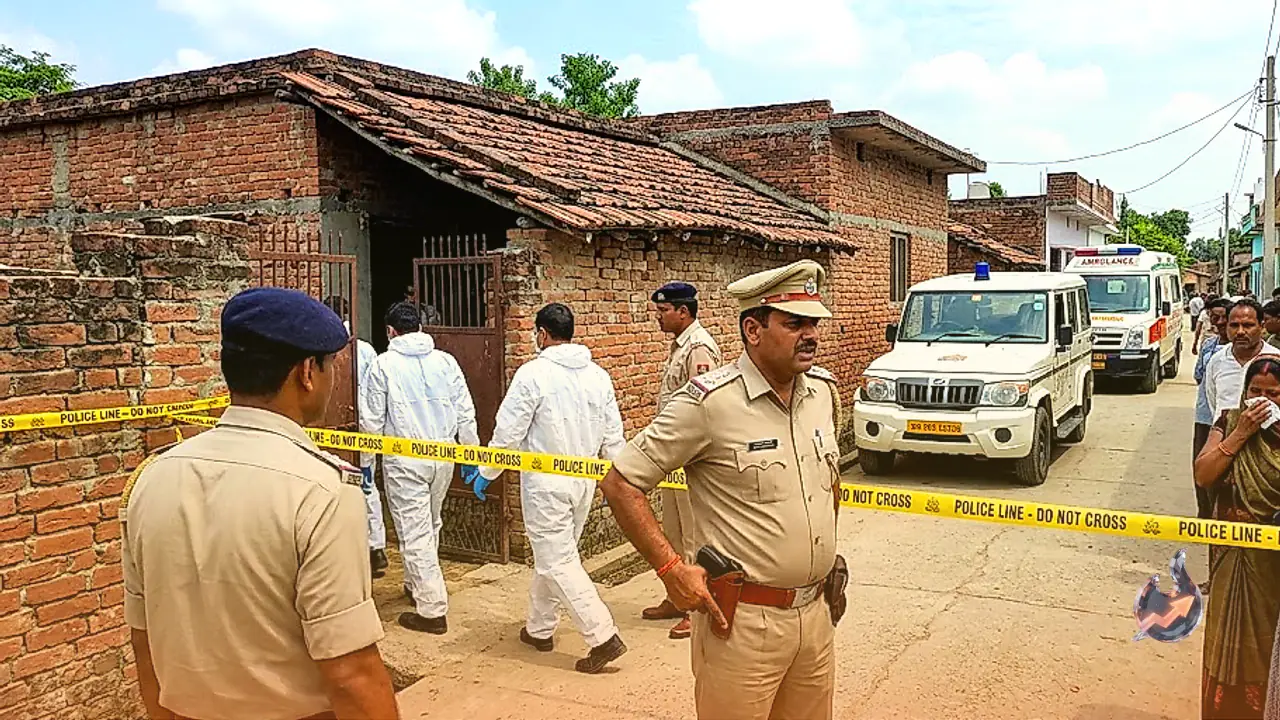


















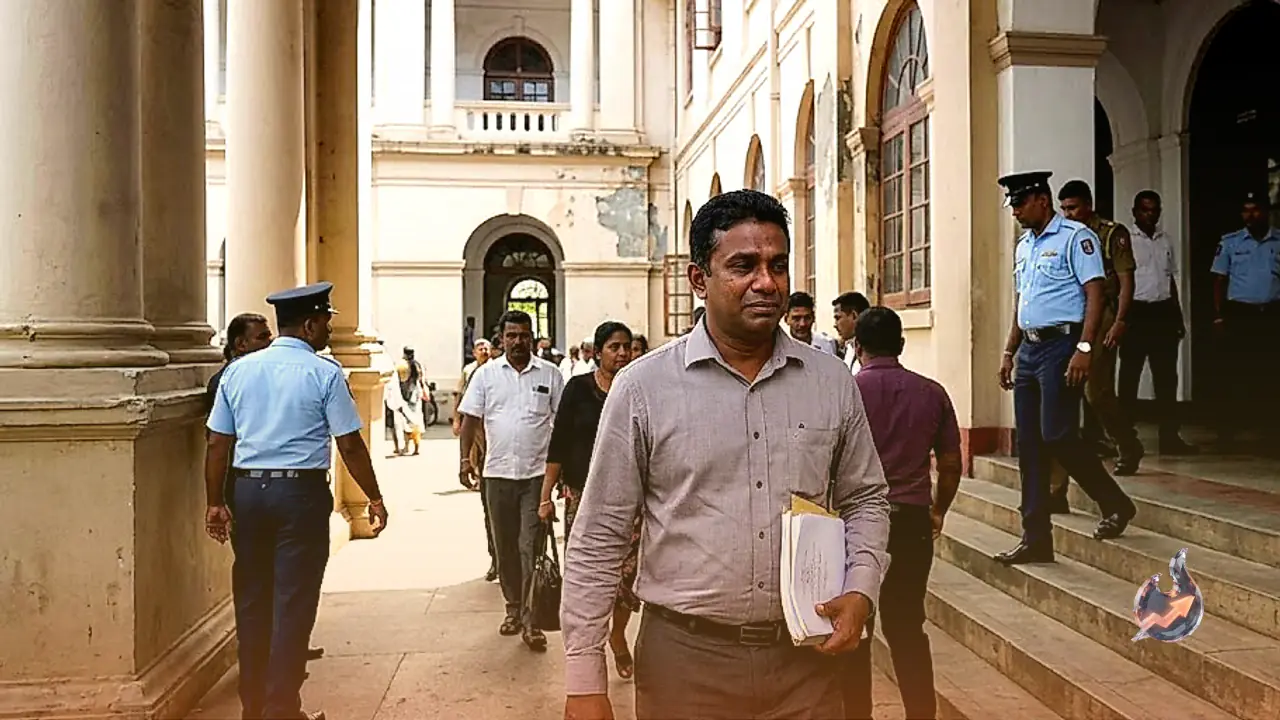

A landmark legal chapter in Sri Lanka concluded on Tuesday as the judiciary delivered its verdict in the catastrophic 2019 Easter Sunday suicide attacks. Following an exhaustive legal trial that spanned nearly five years, a special bench of the Colombo High Court convicted 15 of the 24 accused individuals, ordering each of them to serve more than two centuries behind bars. The ruling delivers long-awaited legal accountability for one of the deadliest and most coordinated terror attacks in the island nation's history.
High Court Bench Issues 220-Year Sentences Each; 9 Acquitted
The high-stakes proceedings were adjudicated by a three-judge bench comprising Justice Navaratne Marasinghe, Justice Ramanathan Kannan, and Justice Sujeewa Nissanka. The panel sentenced all 15 convicted men to 220 years of rigorous imprisonment each after finding them guilty of orchestrating and supporting the massacre. At the same time, the bench cleared and acquitted nine other defendants in the case. Among those convicted was Naufer Maulvi, identified as a key ringleader behind the deadly conspiracy.
Massive Legal Record: 23,270 Charges and Over 2,300 Witnesses
The prosecution of this sprawling case generated one of the most extensive evidentiary records in the country's judicial annals. Formal proceedings included 23,270 separate charges leveled against the defendants by state prosecutors. To establish the complex web of guilt, the prosecution produced statements from 2,309 witnesses throughout the five-year trial. The accused faced indictments under the Prevention of Terrorism Act, encompassing charges of murder, attempted murder, conspiracy to commit terrorist acts, as well as the possession, procurement, and deployment of lethal weaponry and explosive materials.
The April 2019 Tragedy That Claimed 270 Lives
The catastrophic plot unfolded on April 21, 2019, targeting Christian worshippers and holidaying visitors during Easter morning services. A coordinated strike team of nine suicide bombers linked to National Thowheed Jamath (NTJ), a local Islamist extremist group affiliated with ISIS, simultaneously attacked three Catholic churches and three luxury hotels. The near-simultaneous blasts slaughtered 270 people, including 11 Indian nationals, and inflicted severe injuries on more than 500 others across multiple urban hubs.
Political Fallout and Cross-Border Investigations
Zahran Hashim, the leader of the National Thowheed Jamath, directly spearheaded the suicide squad that wreaked havoc on Easter Sunday prayers. The aftermath of the bombings triggered intense political recriminations within Sri Lanka, casting severe scrutiny on then-President Maithripala Sirisena and Prime Minister Ranil Wickremesinghe, both of whom faced accusations of failing to act decisively on advance intelligence warnings. The subsequent multi-year manhunt and investigation also stretched beyond national borders, with authorities extraditing five key bombing suspects back to Sri Lanka from the UAE to face trial.