


















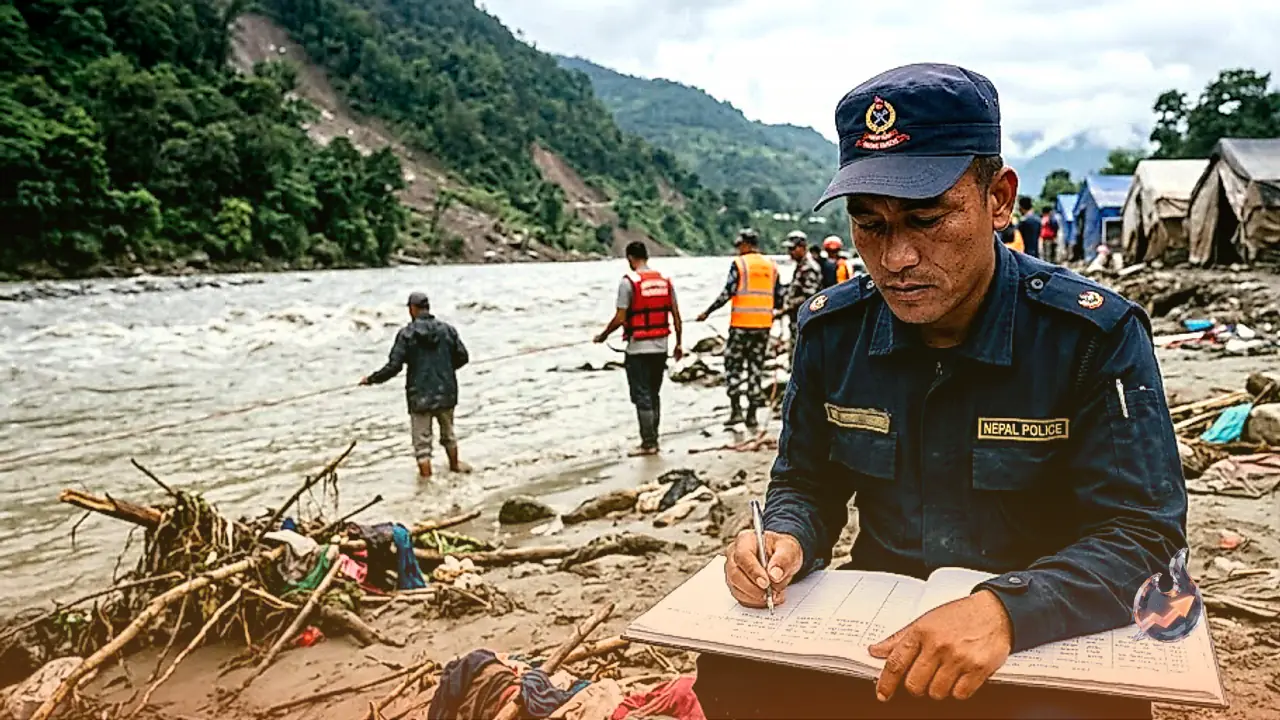

Search teams in Nepal have now pulled 1,344 bodies from the debris and swollen waters left behind by the catastrophic flooding on the Bhotekoshi river, even as close to 4,900 people remain unaccounted for, according to the latest tally released by Nepal Police.
Who has been found so far
Of the 1,344 bodies recovered, police say 489 were men, 269 were women, 52 were boys and 33 were girls. Rescue crews have also pulled out partial remains belonging to another 501 victims, but these fragments have not yet been matched to individual identities, making the final toll harder to pin down with certainty.
Nearly 4,900 still missing
The missing list currently runs to 4,898 names, split between 4,250 Nepali citizens and 618 foreign nationals caught up in the disaster. Among the Nepali citizens unaccounted for, 2,448 are men and 482 are women. Police also revealed that 1,350 of these missing-person reports came in purely through phone calls from worried relatives, rather than in-person filings, showing how widely the disaster scattered families and communication lines.
Rescue effort has pulled out thousands alive
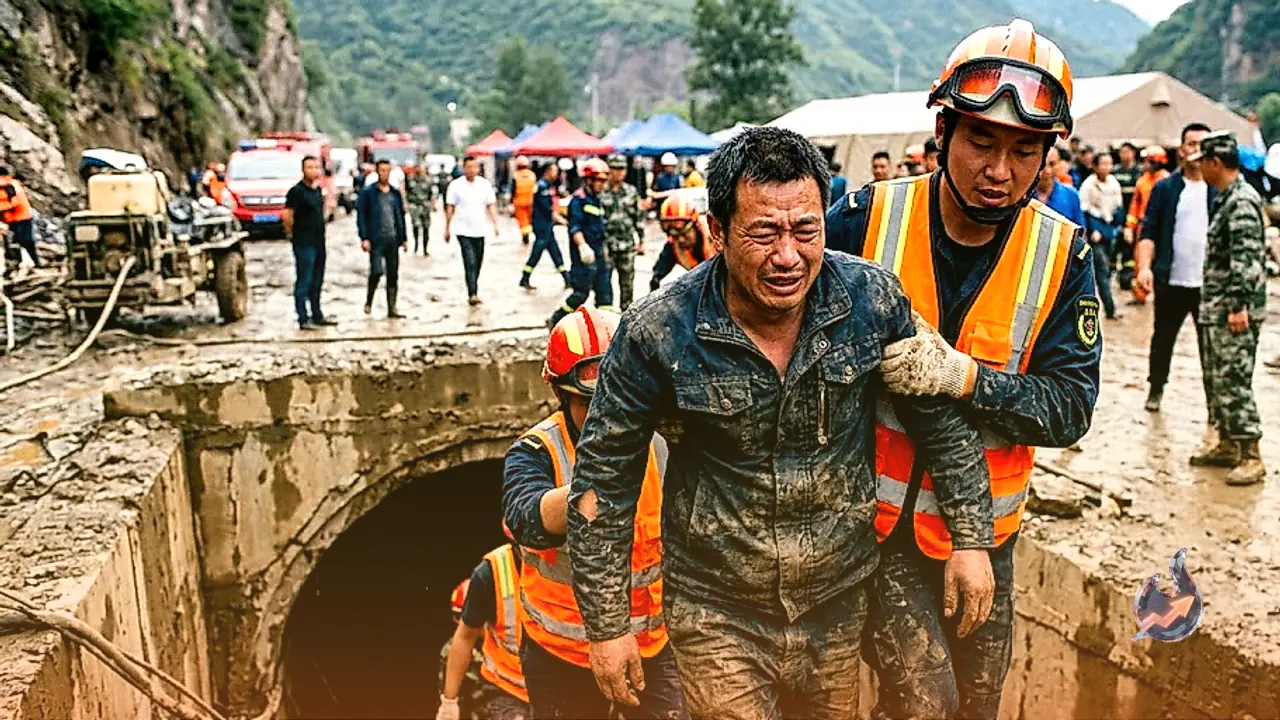
Away from the grim body count, rescuers have managed to bring 8,631 people out alive from the flood zone, comprising 7,387 Nepali nationals and 1,244 foreigners. A further 3,655 people who lost their homes to the flood are currently sheltering in temporary holding centres while authorities work out longer-term arrangements for them.
Burials, DNA testing and an identity database
Of the recovered bodies, 1,030 have already been buried as part of the formal disposal process, since many could not be identified quickly enough to wait for relatives to arrive. To speed up identification, authorities have ramped up DNA sample collection, gathering samples from 1,260 bodies and from 972 relatives of the missing and dead, taking the combined total to 2,232 samples. Details of 1,270 people who could not be identified through documents or physical features have also been uploaded to an official website, so that relatives and acquaintances can help confirm identities remotely.
How the disaster began
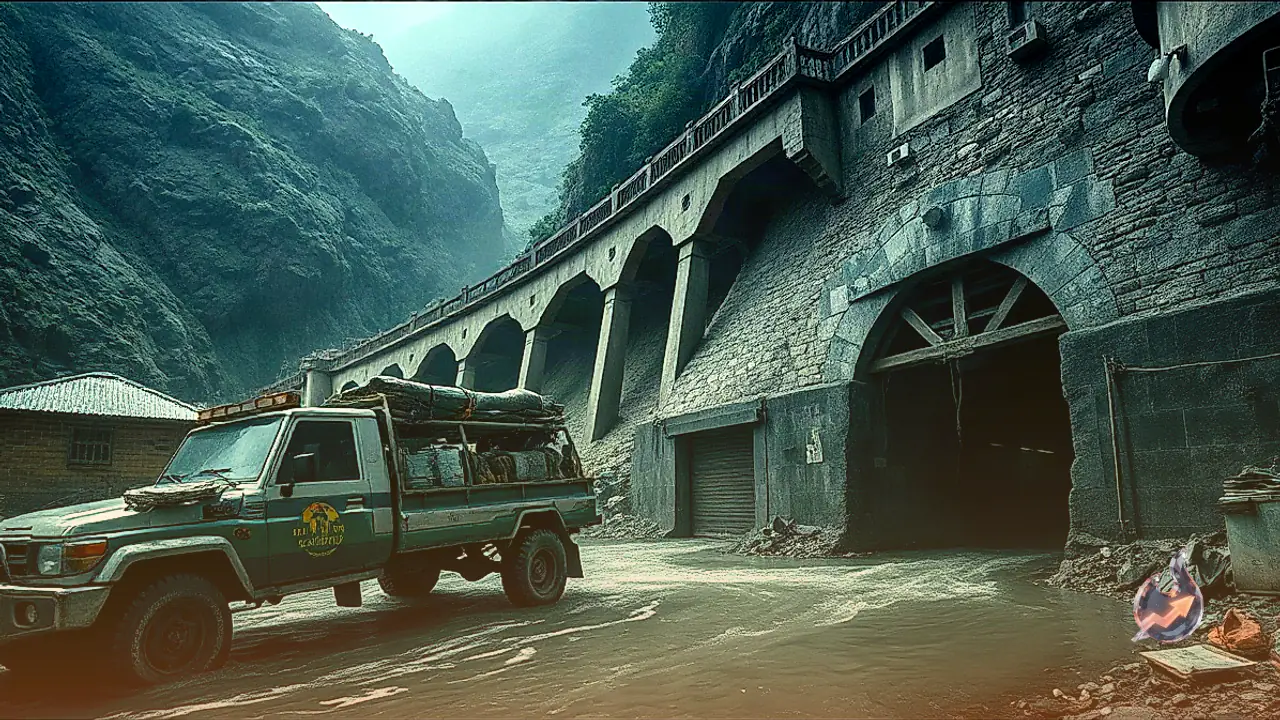
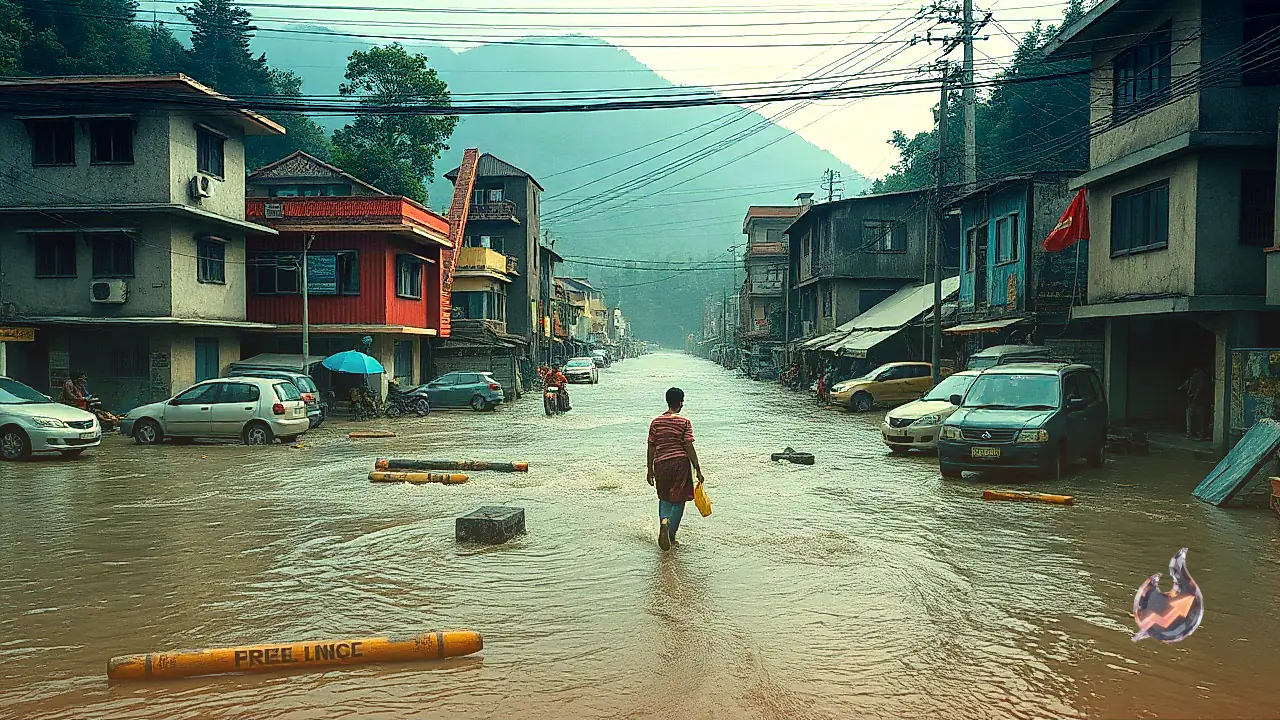
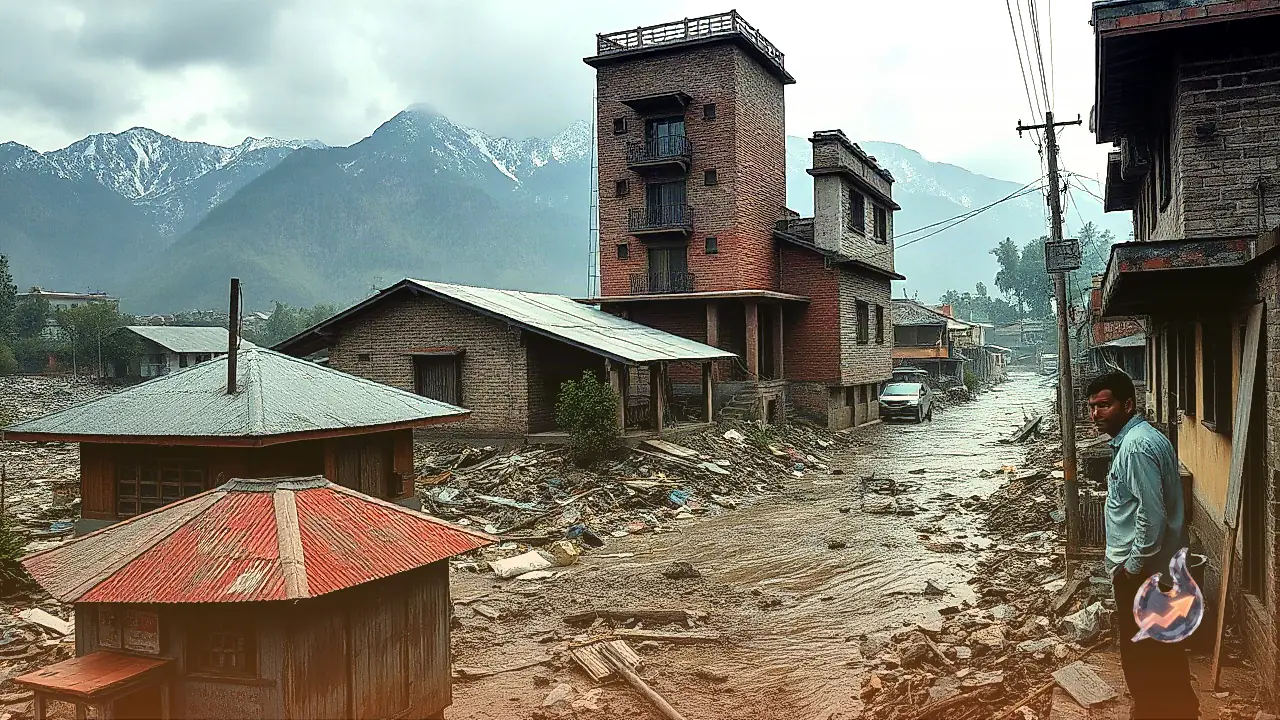
The flooding traces back to 26 August 2026, when an ice-rock avalanche, or possibly a glacier collapse, struck the Langtang Lirung area close to the Nepal-Tibet border. The collapse sent a wall of water and debris crashing down into the Bhotekoshi, Trishuli and connected rivers, triggering flash floods that tore through Rasuwa, Nuwakot, Dhading, Gorkha, Chitwan, Nawalparasi and several other districts, destroying homes, roads and lives in their path. The scale of the destruction drew attention from around the world, with governments and organisations stepping forward to offer help to Nepal in the aftermath. Among the many accounts to emerge from the wreckage was that of a man who survived nine days trapped inside a tunnel, chanting a mantra to keep himself calm before he was finally pulled out alive on Janmashtami.