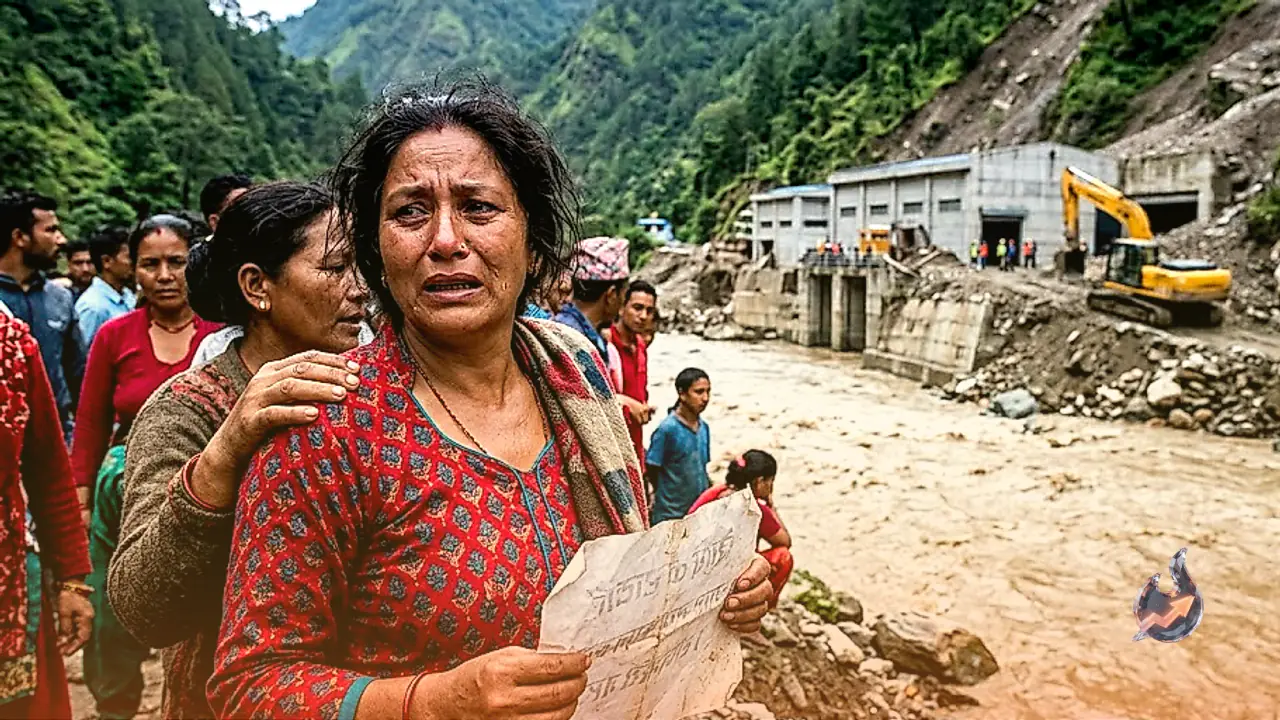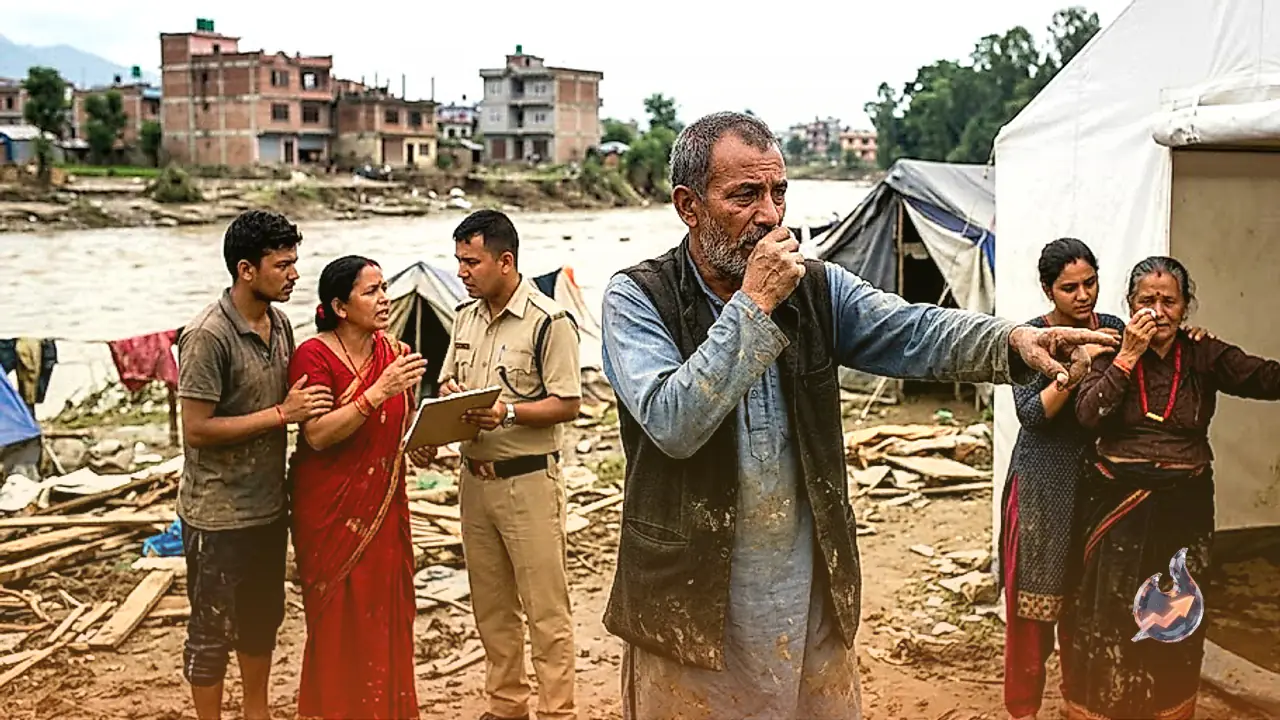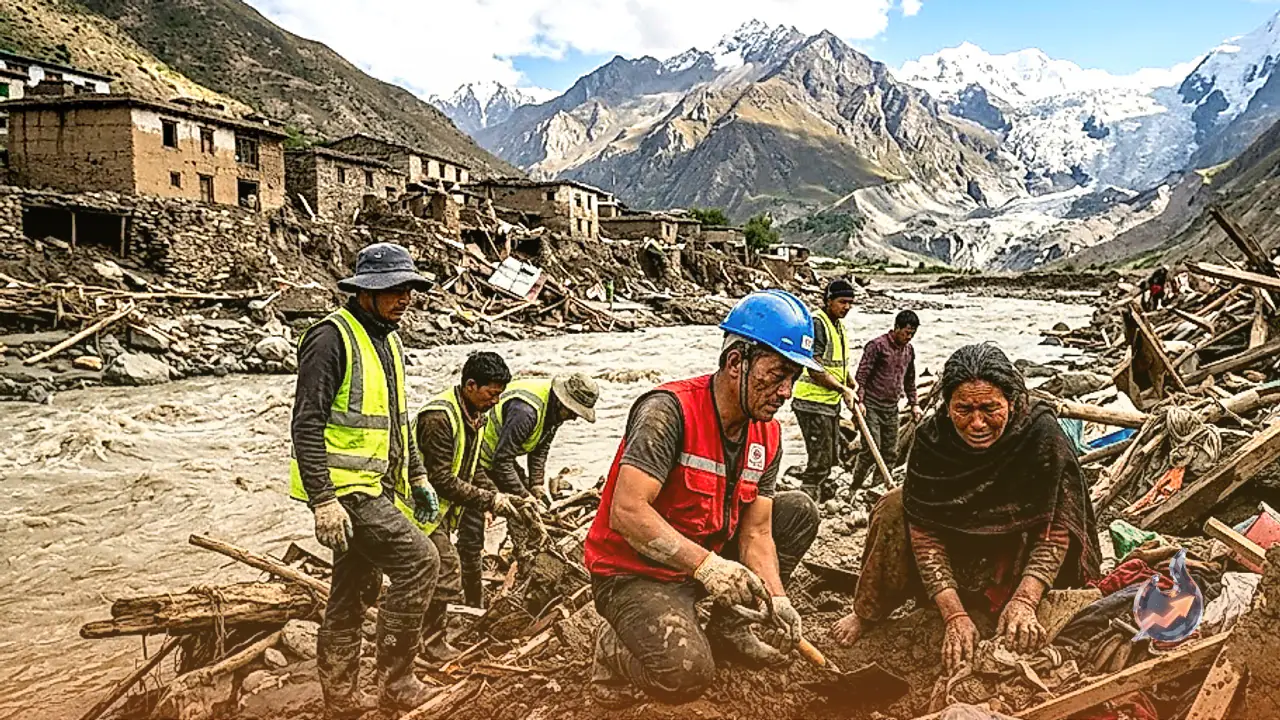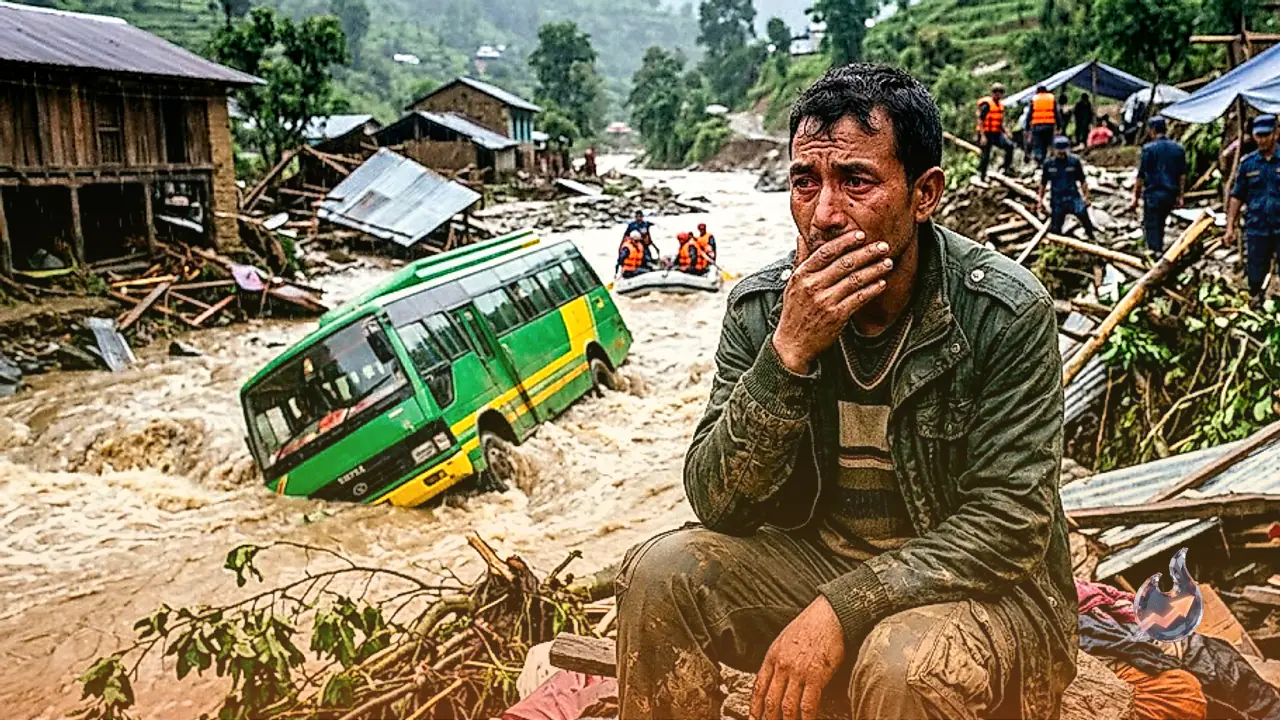





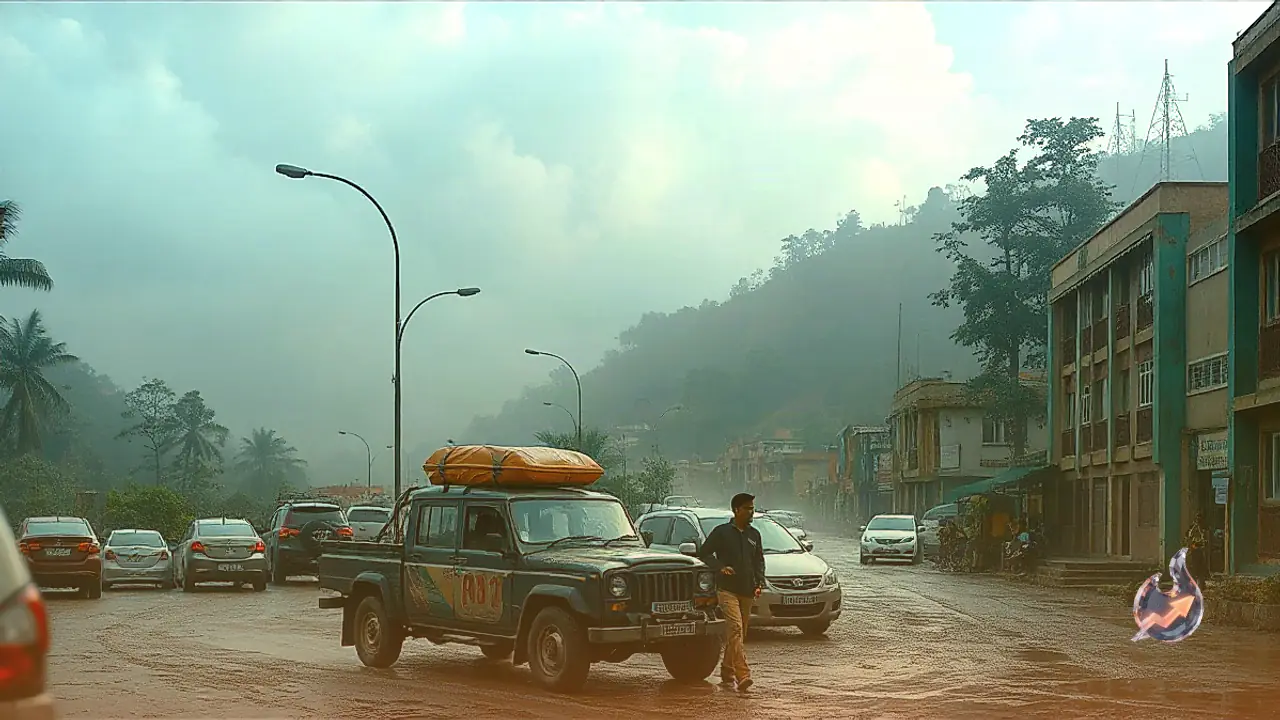

















Addressing Parliament during an unprecedented national crisis, Nepal Prime Minister Balen Shah highlighted the vital necessity of receiving international assistance after catastrophic flooding caused more than 1,000 fatalities across the Himalayan nation. Shah stated that when confronted with a disaster of such vast proportions, rejecting foreign aid was entirely out of the question. He explained that to secure rapid relief, Nepal actively coordinated with foreign entities through private sector channels.
Deployment of Indian and Chinese Technical Teams
During his address, Prime Minister Balen Shah extended specific appreciation to neighboring nations India and China for their swift intervention. He noted that both friendly countries dispatched skilled technical experts who initiated operations right from day one. These specialized personnel carried out extensive assessments, including comprehensive aerial surveys, to evaluate the scope of physical damage and determine whether ground access to affected locations was feasible.
Severe Terrain Challenges in Remote Disaster Zones
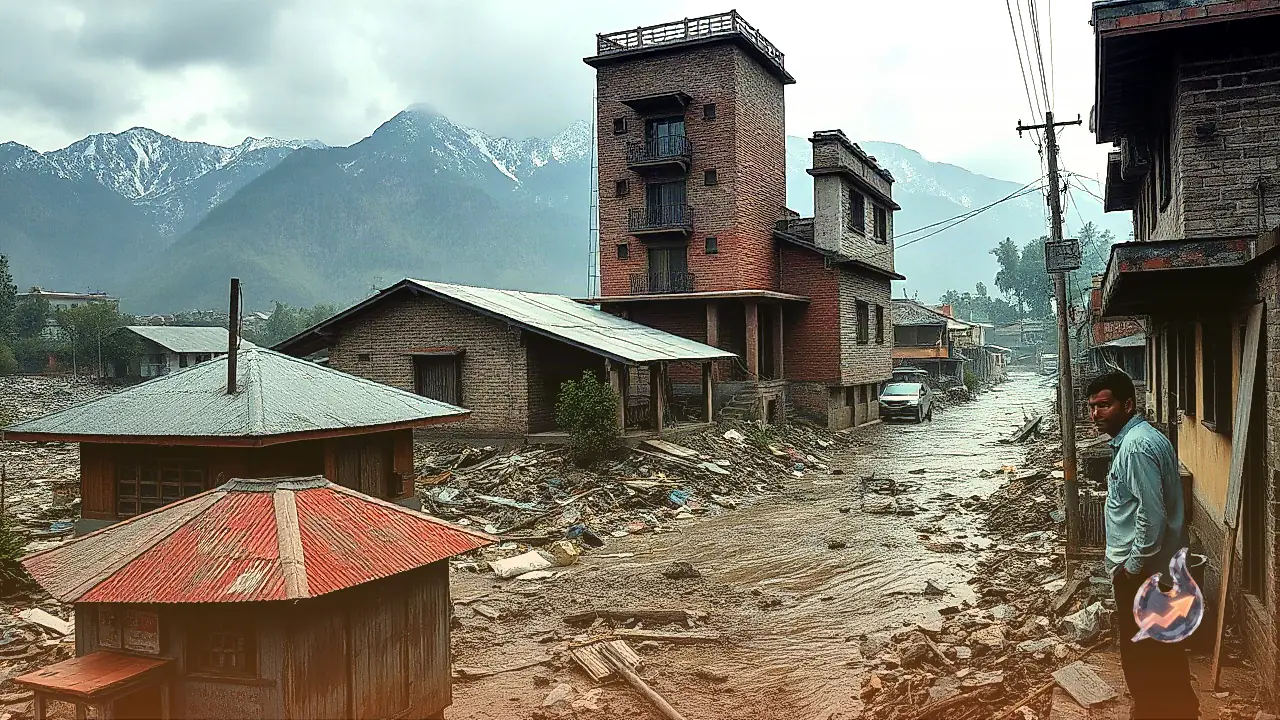
Elaborating on the rescue operations, Shah commended Indian technicians for reaching isolated remote areas as rapidly as possible despite formidable environmental obstacles. He described the post-flood scenario as an extraordinary emergency, explaining that thick layers of mud and silt created extreme ground instability. The conditions were so severe that there was virtually no stable ground available even to position heavy machinery like excavators, or for personnel from the army and Armed Police Force to stand, making immediate technical and aerial support crucial for rescue planning.