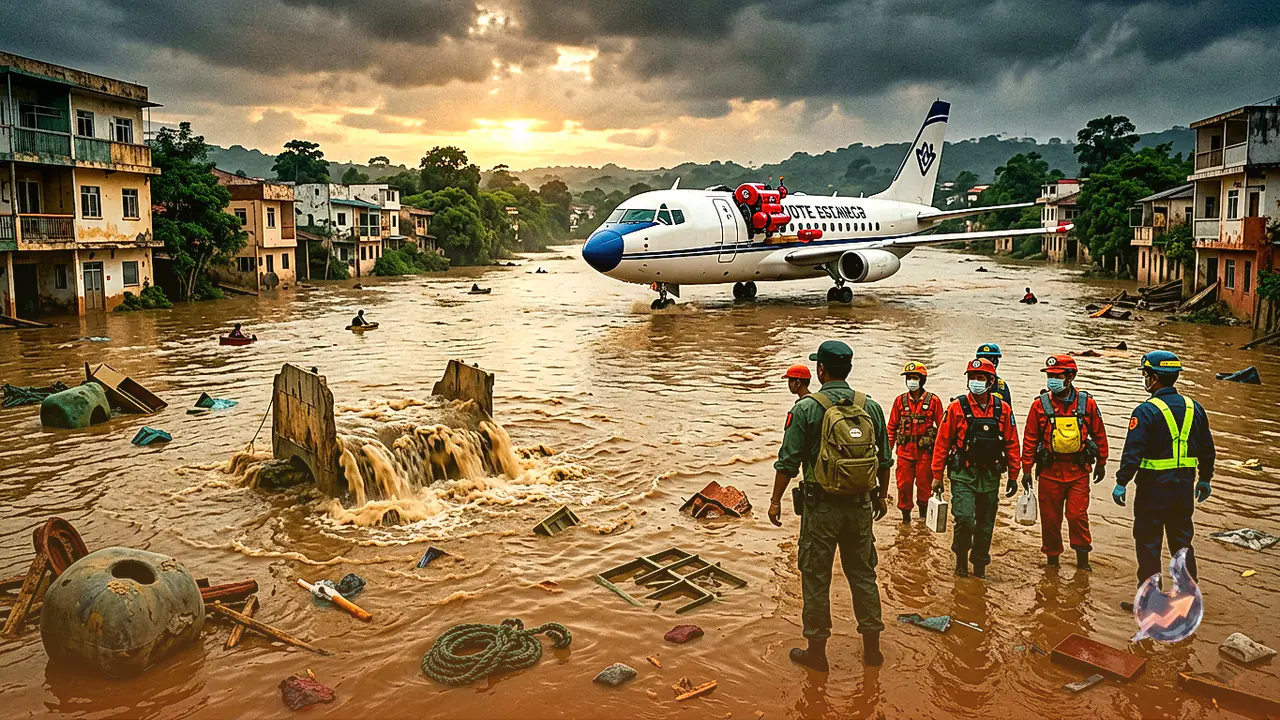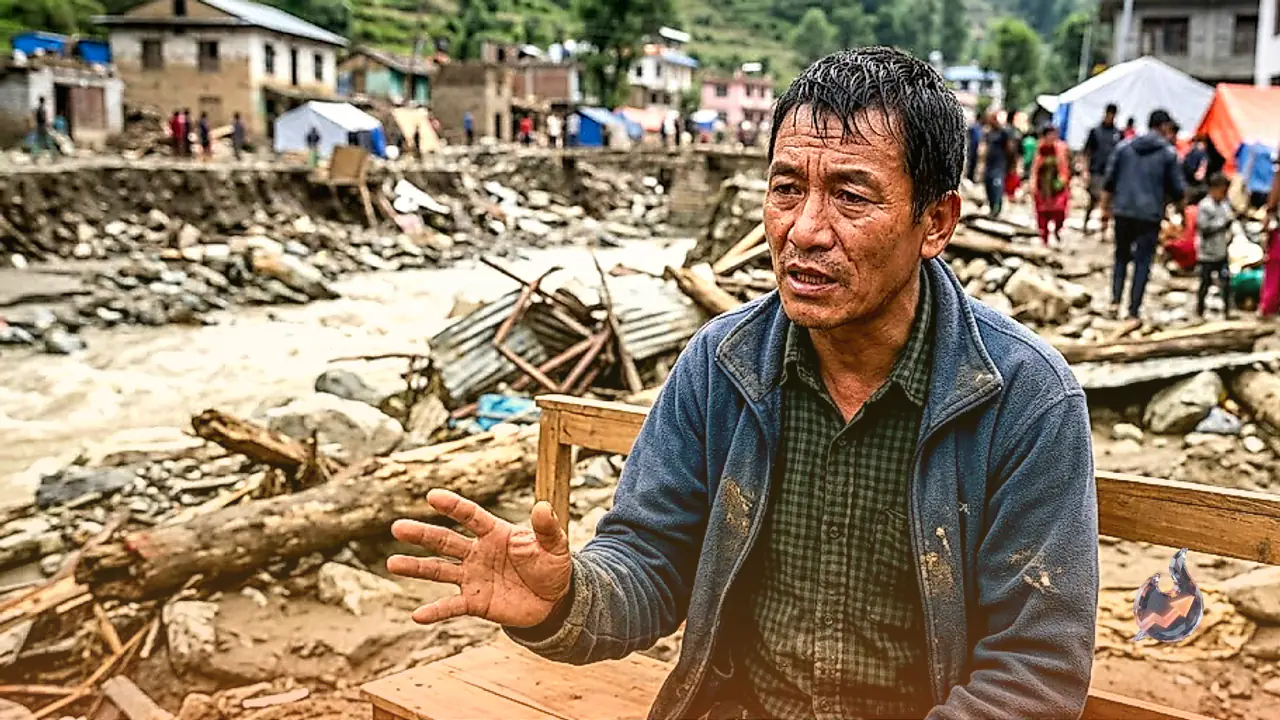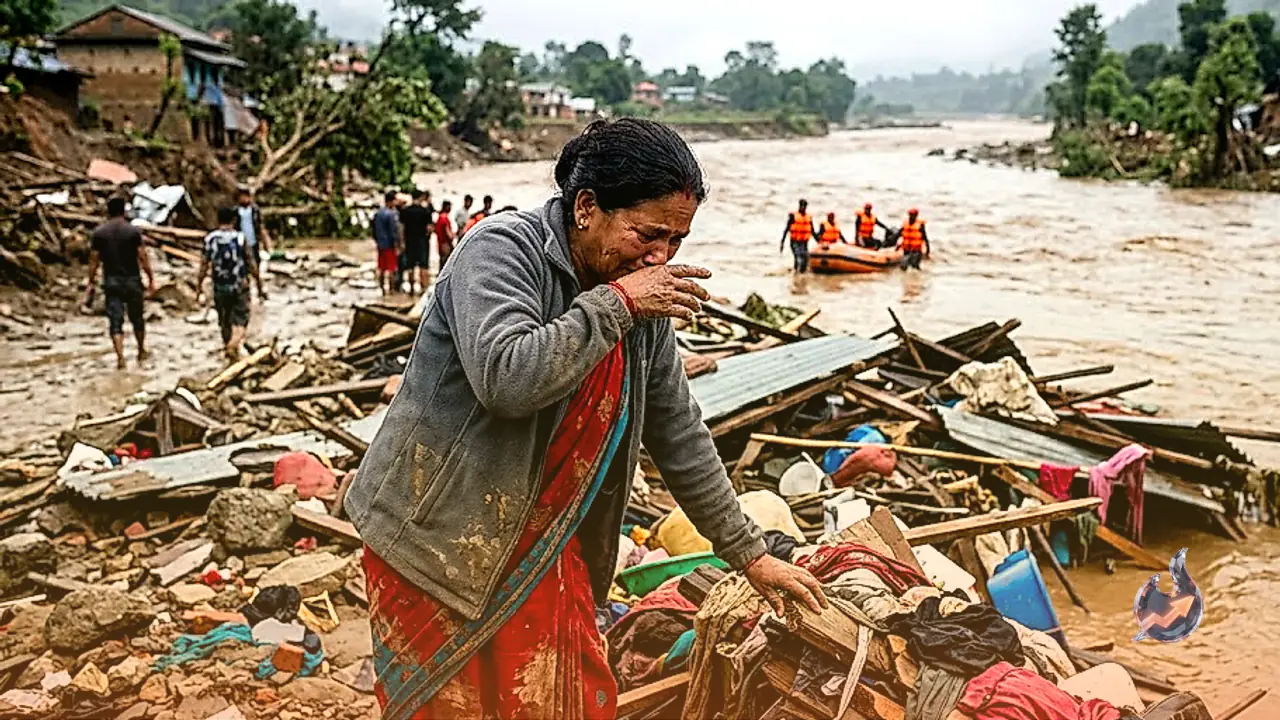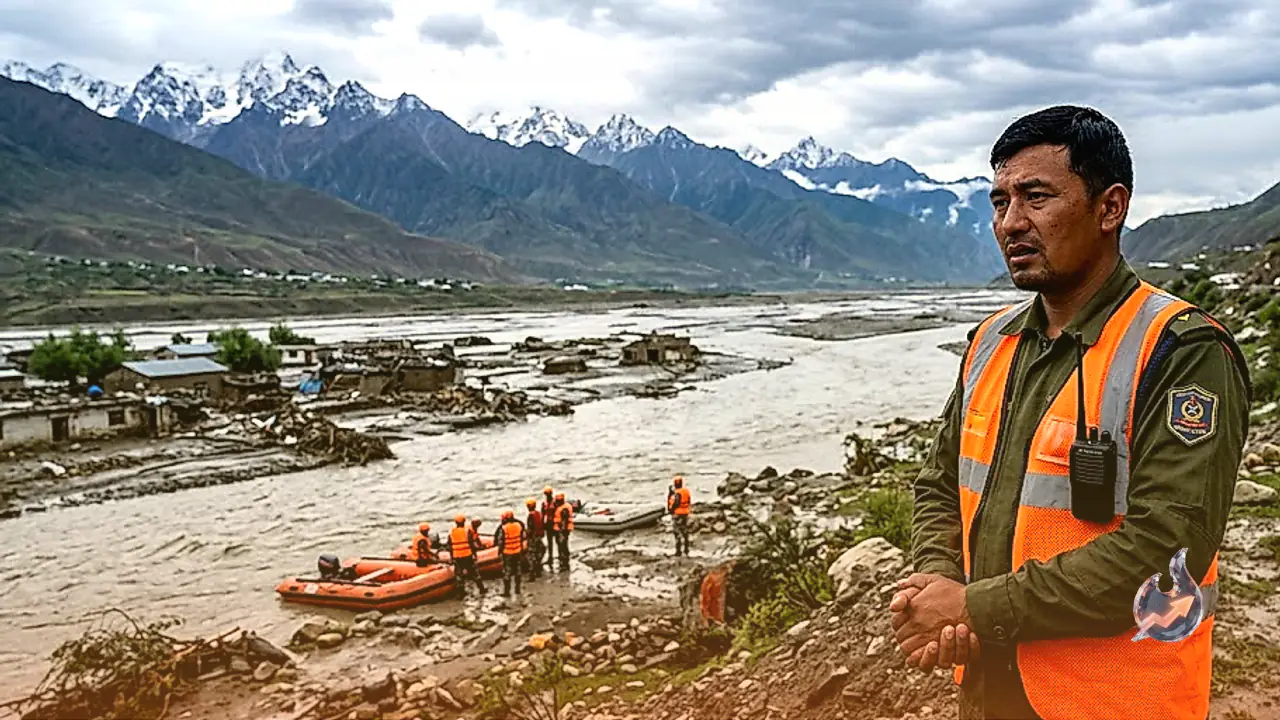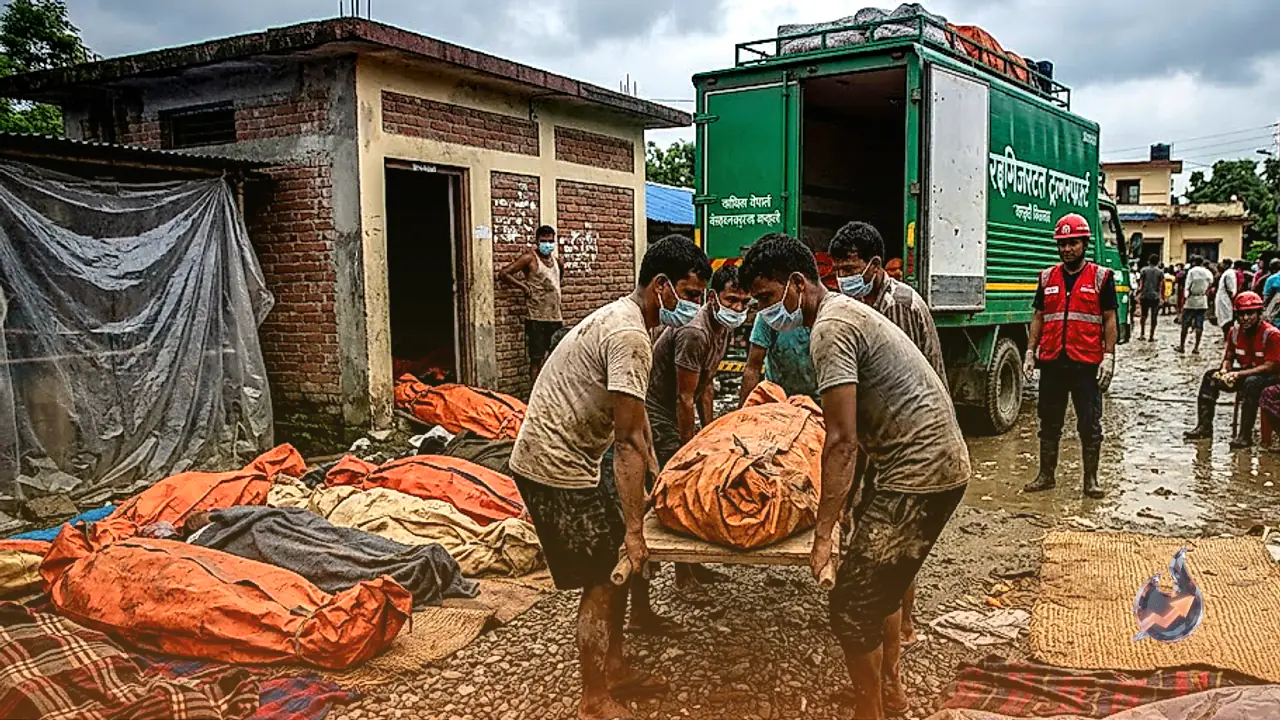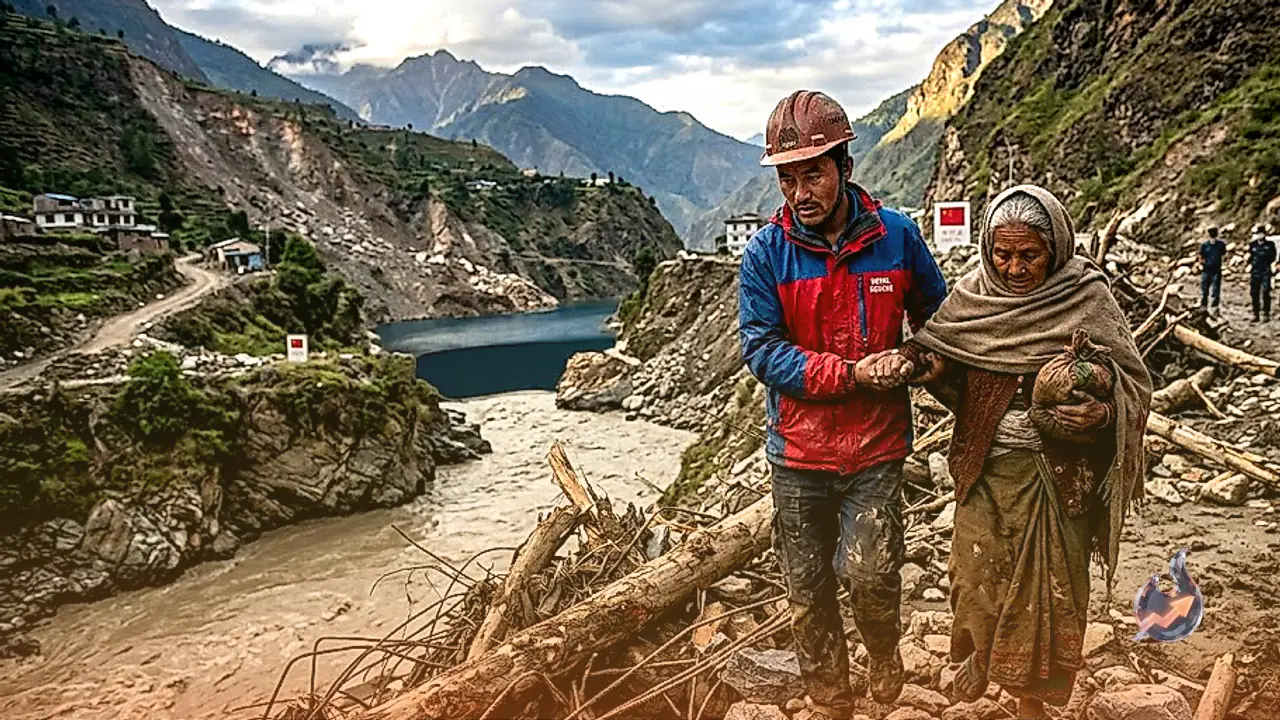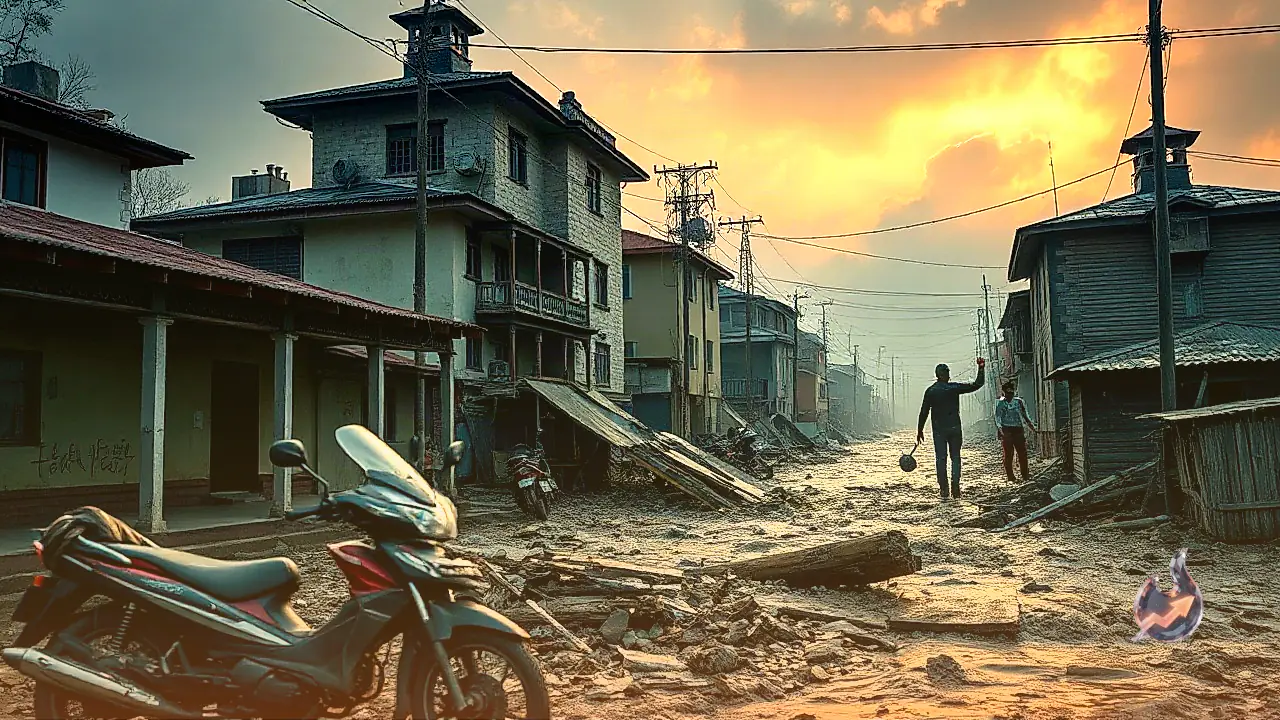




















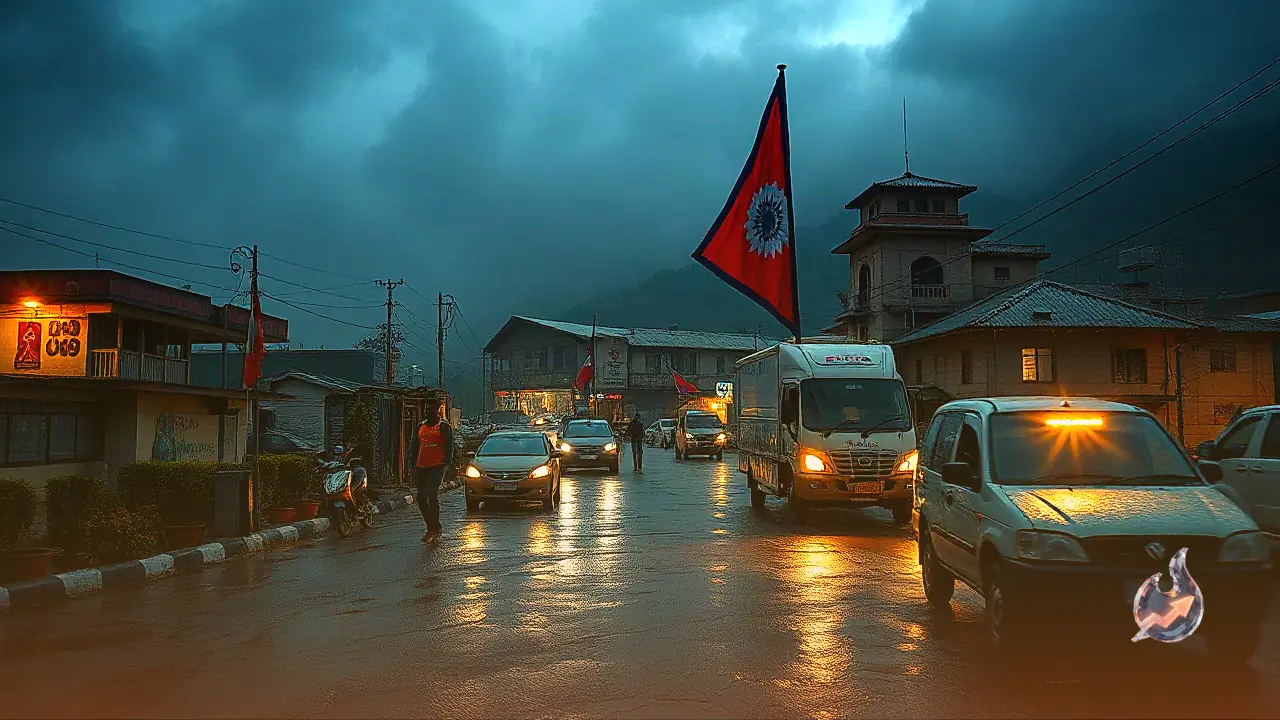

Devastation struck parts of central Nepal on Wednesday when a glacier near the Nepal-Tibet border fractured, sending a massive avalanche of ice, rock, water, and debris sweeping down toward populated valleys. The resulting torrent destroyed homes, vehicles, roads, and bridges across multiple towns and villages, while also inflicting heavy damage on several hydroelectric projects. Amid this profound national crisis, Nepal's leadership has stepped forward to profusely thank India for its prompt and substantial disaster relief efforts.
Search Operations for Missing Persons Underway
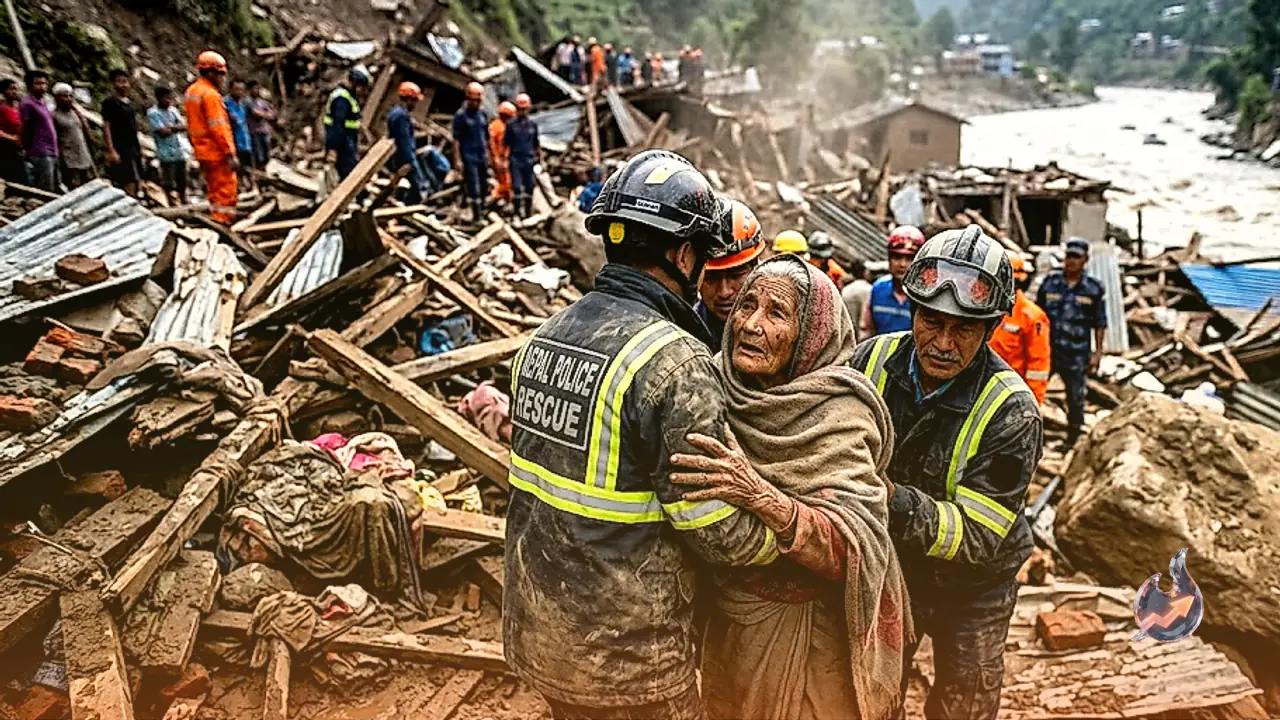
Rescue teams have been operating continuously across the disaster-affected zones despite intermittent heavy rains hampering field efforts. According to official figures, the death toll from the calamity has crossed 600, while approximately 2,400 people remain missing. Authorities have successfully evacuated and rescued about 2,500 individuals to safer locations, and security personnel continue combing through debris-laden areas in search of survivors.
India Dispatches 57.6 Tons of Relief Material
Demonstrating robust regional partnership, India dispatched 57.6 tons of critical relief material to flood-hit Nepal starting Wednesday. Following a formal request from Kathmandu, an 11-member specialized Indian team arrived in the country, comprising medical professionals and experts adept at conducting rescue operations inside tunnels. Finance Minister Dr. Prakash Sharan Mahat outlined that Nepal is tackling the catastrophe in successive phases, noting that the immediate priority remains rescuing those who can still be saved, including personnel stranded inside damaged hydroelectric facilities. Details of the ongoing cooperation were shared via updates on X.
The Monumental Task of Post-Disaster Reconstruction
The Nepalese Army has airlifted 1,930 people to safety so far, while helicopters are being deployed to drop essential supplies into cut-off areas such as Dhunche, Rasuwa, and Syabrubesi where roads have been washed away. Mahat explained that once active search operations conclude, the focus will swiftly shift to early rehabilitation, establishing temporary shelters, and implementing cash-for-work programs. Ultimately, rebuilding the pulverized infrastructure across the affected river valleys will present a massive, long-term challenge.
Praise for Indian Leadership and Generosity
When asked if Kathmandu would seek international assistance from other nations, the Finance Minister affirmed that aid would be gathered wherever necessary, but specifically highlighted India's exceptional role. He remarked that the Indian government and Prime Minister Narendra Modi have been exceptionally generous, recalling that during the devastating 2015 earthquake, New Delhi's proactive assistance was truly remarkable. He noted that special relief supplies have once again been airlifted from New Delhi immediately following the floods, with signals of substantial reconstruction aid forthcoming.
President Ram Chandra Poudel Expresses Gratitude
Nepalese President Ram Chandra Poudel extended his sincere appreciation to Indian President Droupadi Murmu and the Indian government for their solidarity and prompt aid. In a statement shared on X, he conveyed profound gratitude on behalf of the government and people of Nepal for President Murmu's deep concern and India's generous support. Poudel also expressed heartfelt condolences over the deaths of Indian nationals in the August 26, 2026 disaster, stating that Nepal shares the grief of families who lost loved ones.
Deployment of Security Forces Across Affected Regions
With thousands displaced and critical supply lines severed, the government has deployed over 11,000 security personnel, including more than 5,000 soldiers from the Nepalese Army, to manage relief distribution, clear debris, and locate missing individuals across the rugged Himalayan terrain.