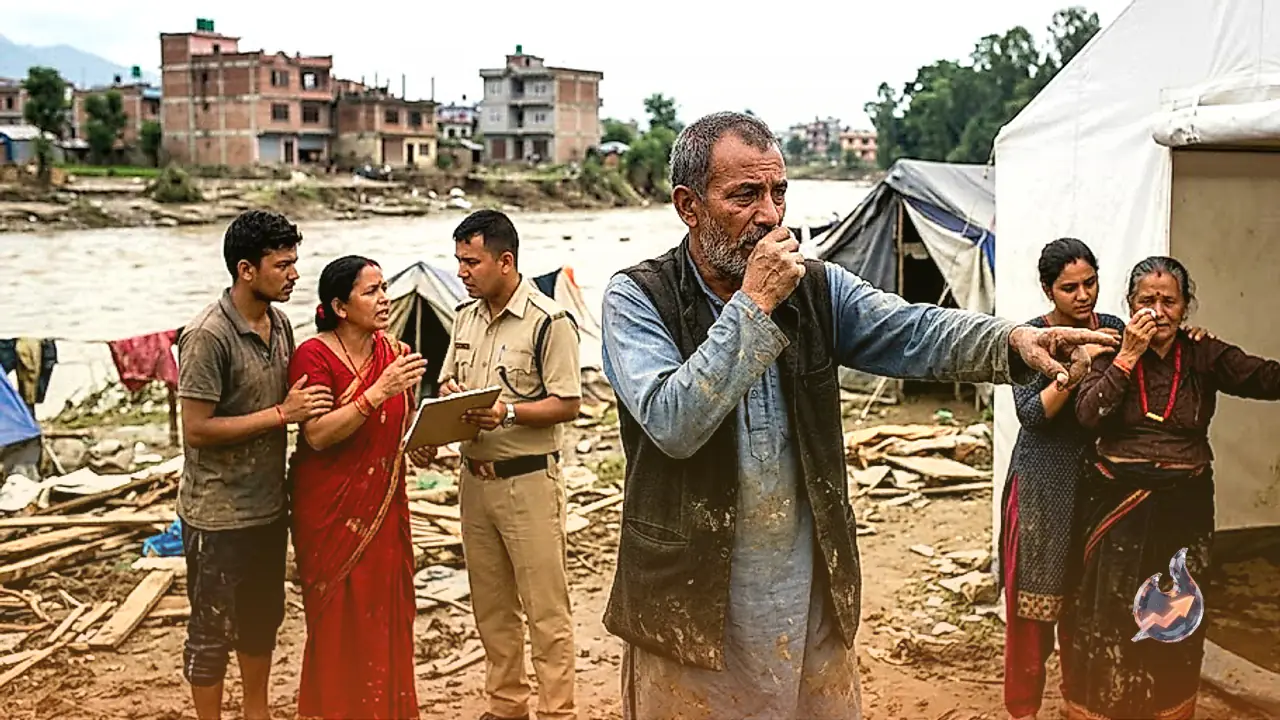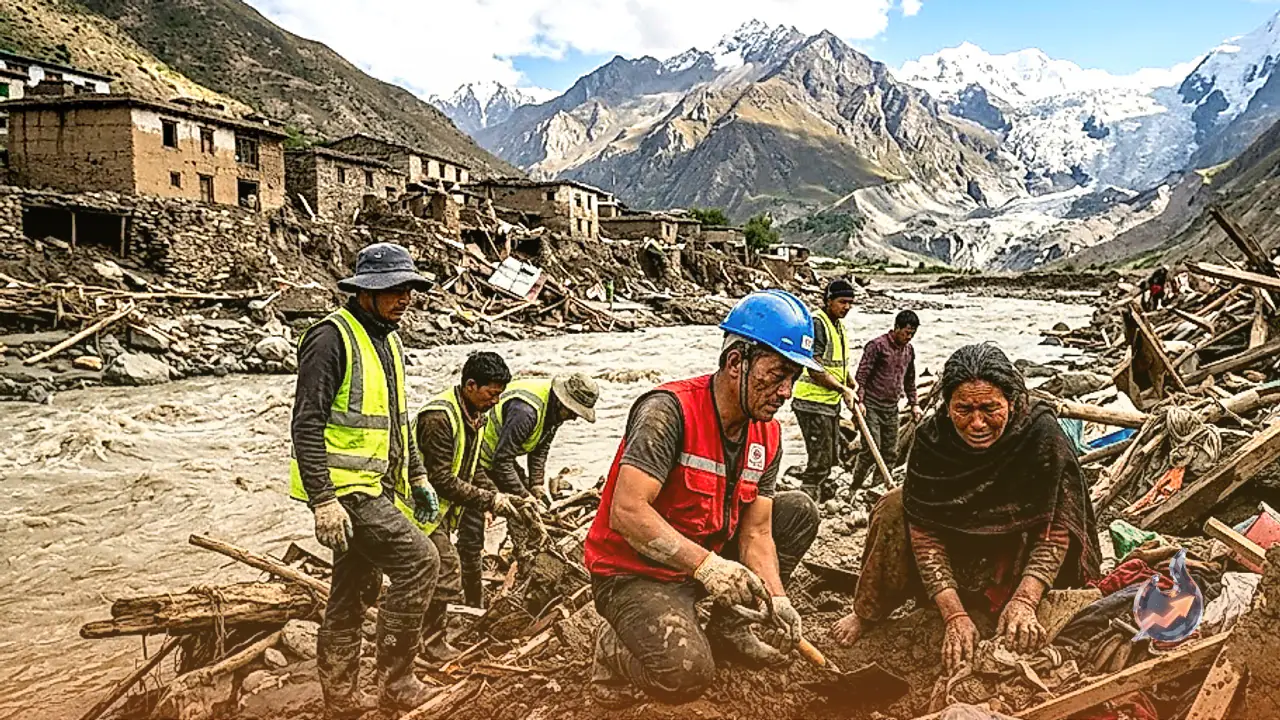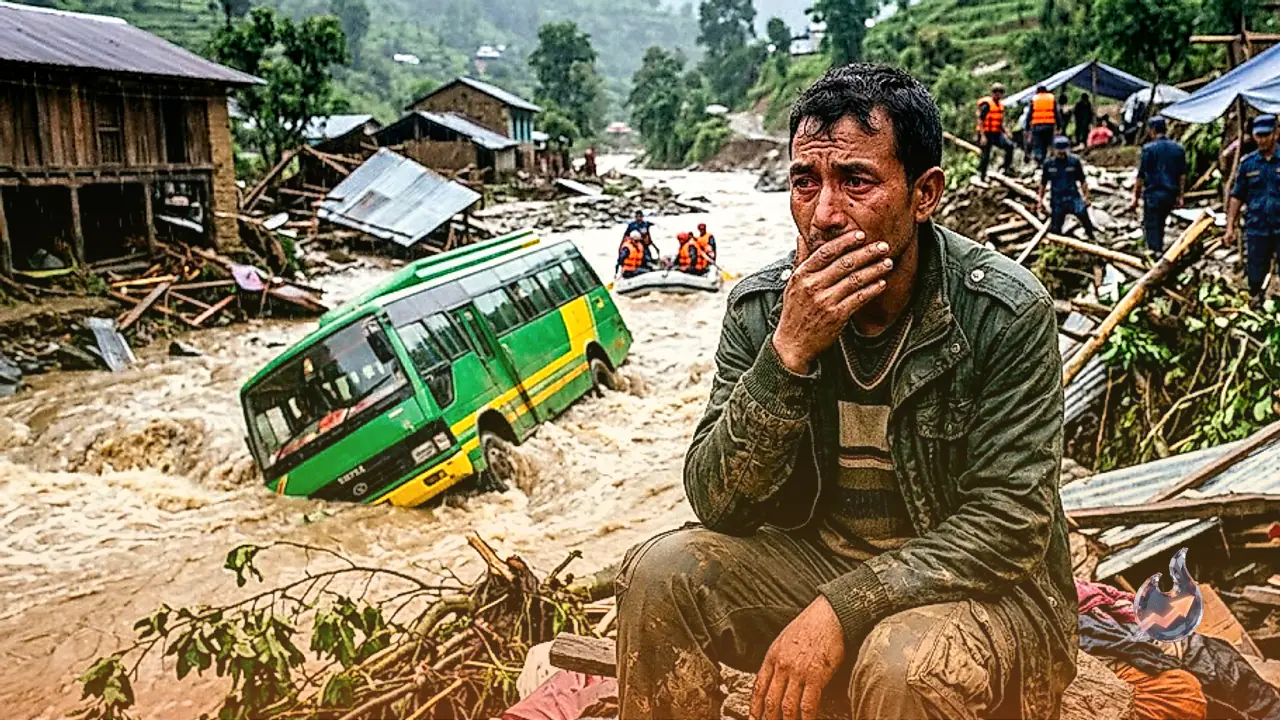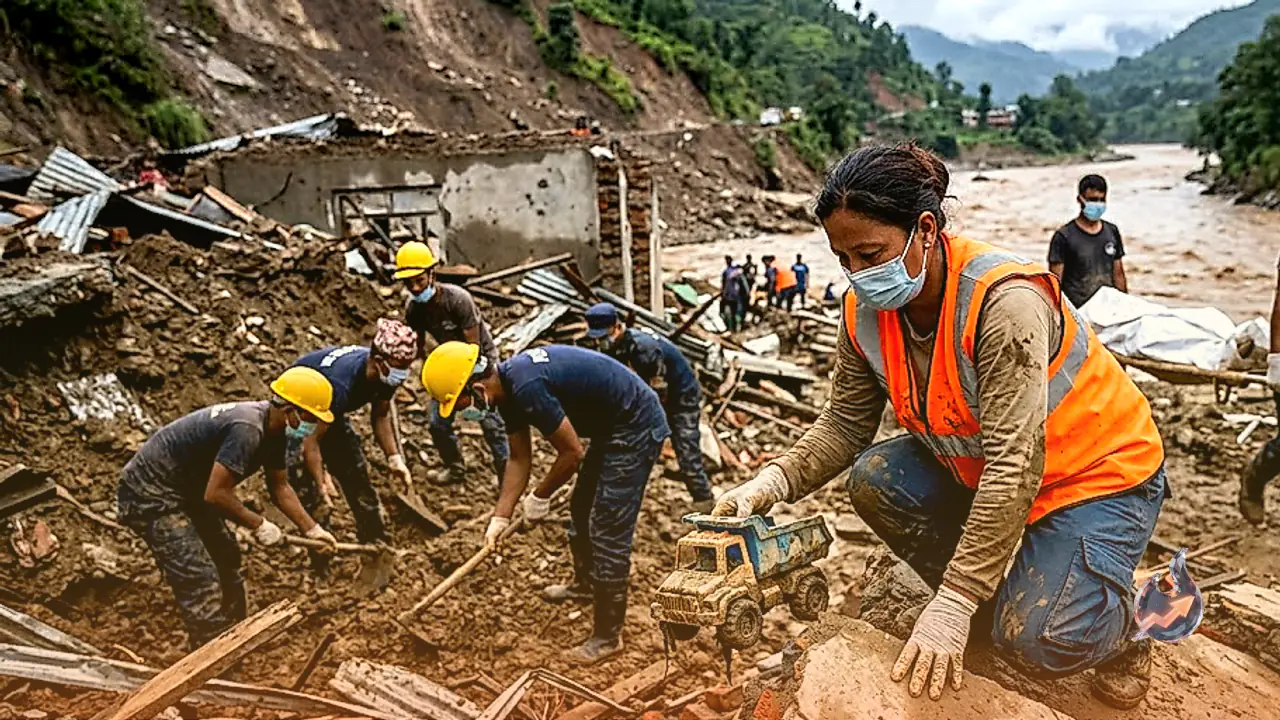






















The catastrophic flash floods that devastated parts of Nepal have severely wrecked the Trishuli-3A Hydroelectric Project. Amid the destruction, Raj Chhetri, a construction worker who narrowly escaped from Tunnel No. 3 of the hydropower plant, has shared a horrifying firsthand account of the disaster. According to Chhetri, approximately 265 workers were actively performing their duties deep inside the tunnel when the surge hit. He raised serious allegations against the supervisors of Power China Corporation, the Chinese firm contracted for the engineering works of the project. Chhetri stated that had the site management acted responsibly and ordered an immediate evacuation when the initial warning signs appeared, dozens of human lives could have been saved from the inundated structure.
The Chinese Supervisor's Exit and Sudden Flood Surge
Recalling the onset of the tragedy, Raj Chhetri described working inside the tunnel when a deafening roar reverberated through the cavernous space. The sudden atmospheric shift created a panic akin to a violent storm. Sensing danger, Chhetri approached the Chinese supervisor stationed inside the tunnel, expressing concern over the alarming noise and requesting permission for all workers to evacuate to safety. However, the supervisor allegedly instructed the crew to continue their tasks while he stepped outside to check the situation himself. After exiting the tunnel, the supervisor never returned to guide the workers, leaving the entire crew trapped as conditions rapidly deteriorated.
Desperate Escape Toward the Tunnel Entrance
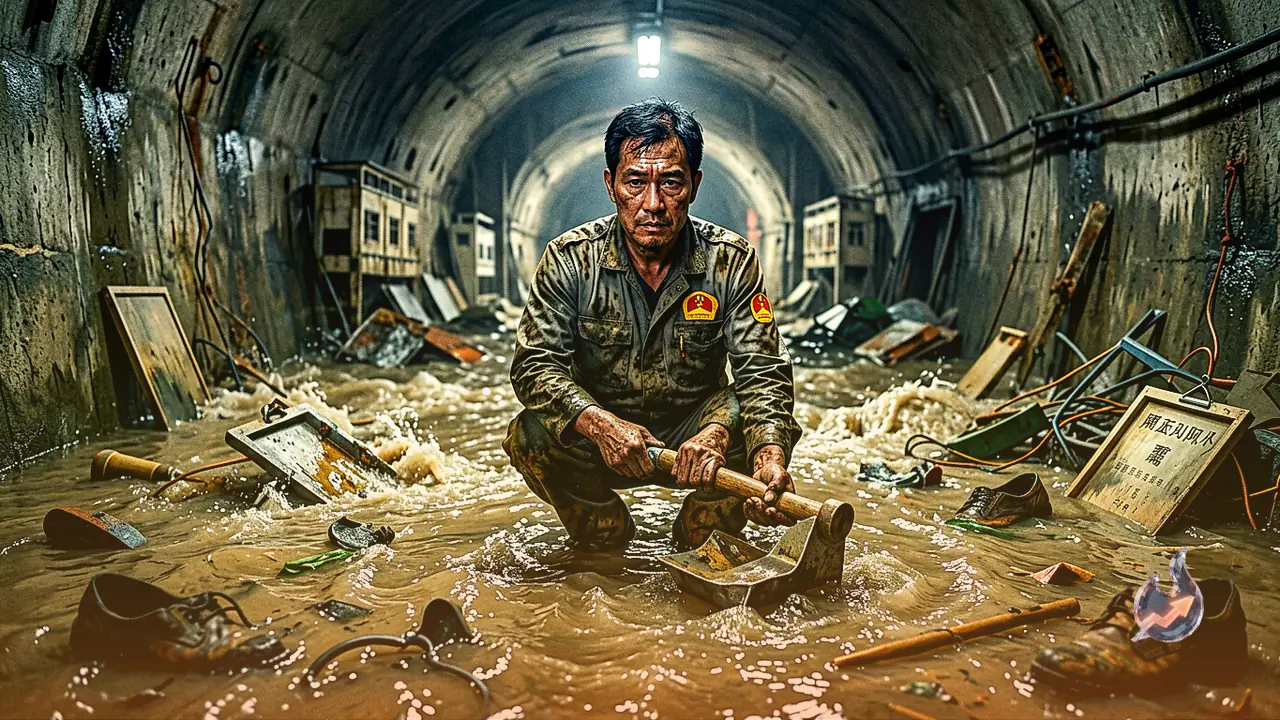
Shortly after the supervisor left, a massive surge of mud, rocks, and violent floodwater breached the tunnel from above and swept into the passageway. Realizing the immediate threat to their lives, Chhetri and several nearby colleagues made a desperate run toward the tunnel exit. Only four workers managed to reach the mouth of the tunnel under extreme conditions, but upon reaching safety, two of those four individuals had vanished into the churning debris and remain missing. Chhetri emphasized that if an evacuation order had been issued the moment the abnormal sound was reported, most of the 265 workers inside could have made it out alive.
Surviving the Night in Forested Hills and Moral Agony
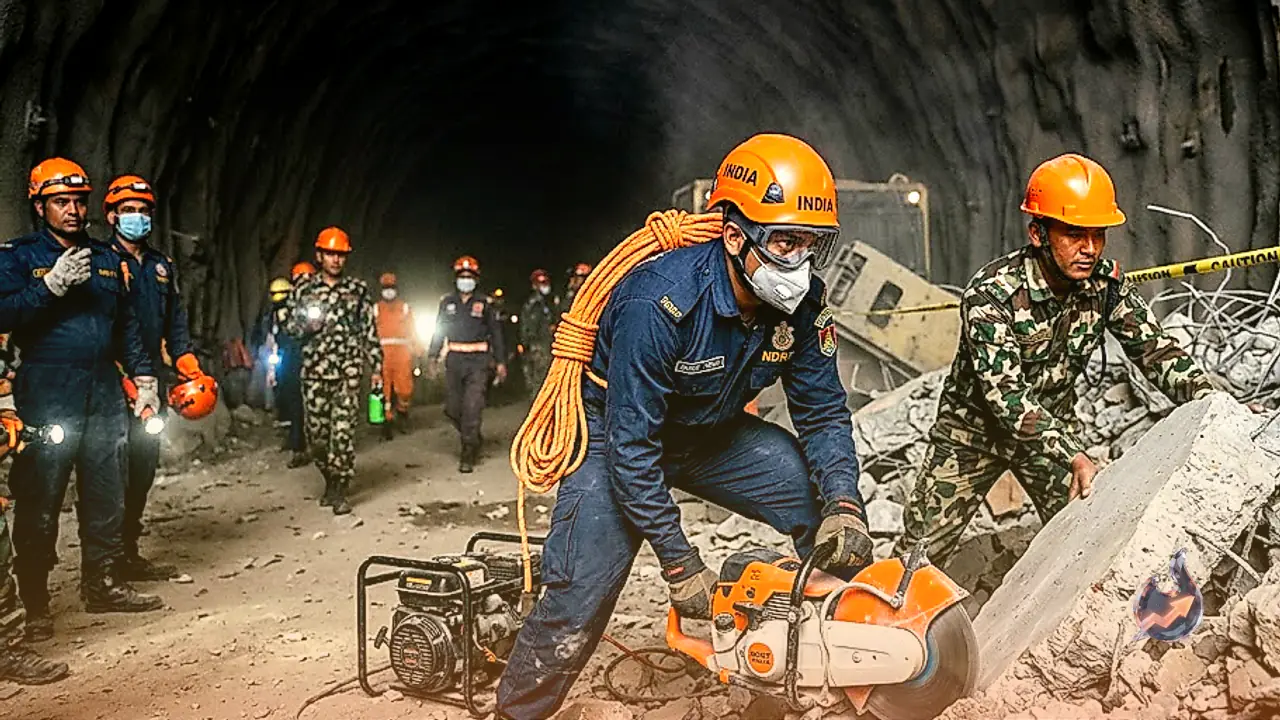
The situation inside the subterranean structure was grim. Chhetri recounted hearing desperate screams for help from co-workers trapped beneath heavy mud and rubble, alongside visible bodies of deceased laborers. The overwhelming instinct for self-preservation forced survivors to make agonizing choices between fleeing or attempting impossible rescues without equipment. To escape the rising water levels, Chhetri fled to a nearby forested hill, where he spent initial days and nights sheltered under trees. With cellular towers knocked out across the region and no access to a mobile phone, he remained completely cut off from communication and emergency services.
Allegations Over Withheld Warnings and Nepal's Flood Crisis
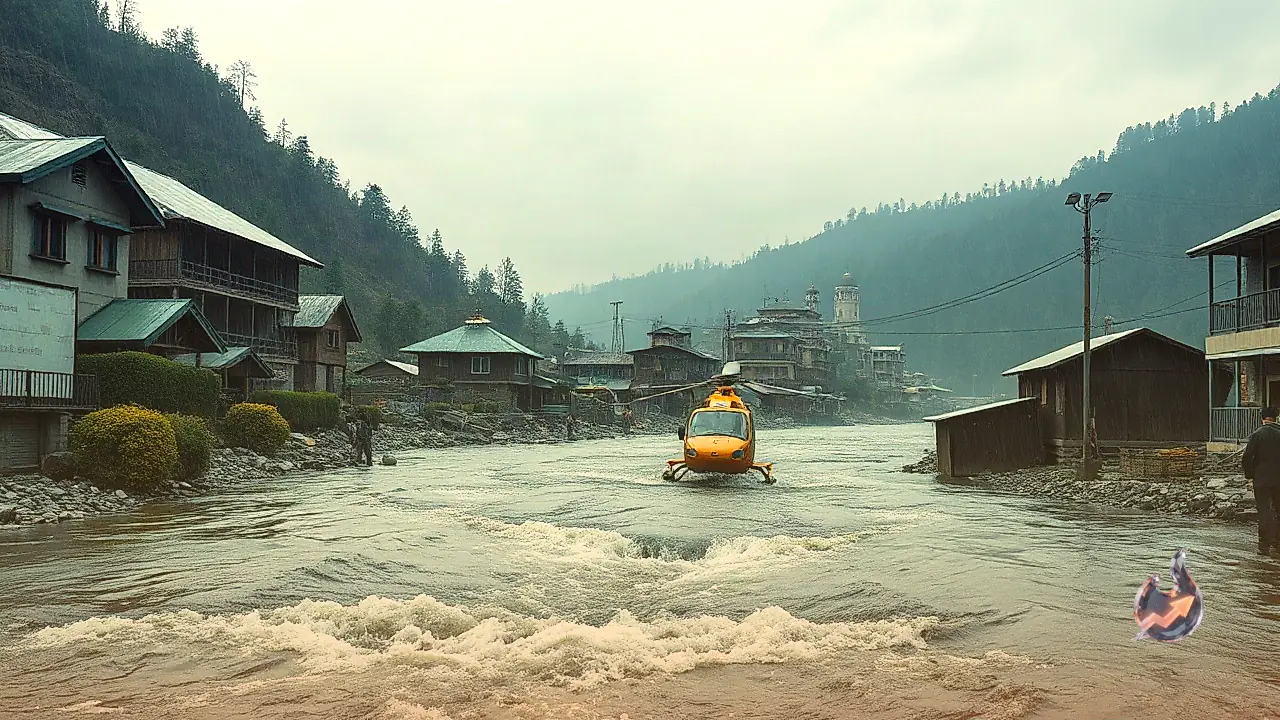
Chhetri further alleged that authorities across the border in China had prior knowledge of impending floodwaters and landslide risks in the catchment areas but failed to convey timely warning alerts to Nepal. He asserted that advance notice would have allowed local management to evacuate vulnerable job sites and prevent massive loss of life. Authorities have not yet independently verified the exact number of casualties or trapped personnel within the Trishuli-3A tunnel complex. Across Nepal, the catastrophe that began on August 26 has claimed over 1,000 confirmed lives, with nearly 4,000 people listed as missing while rescue teams navigate vast fields of mud and debris.