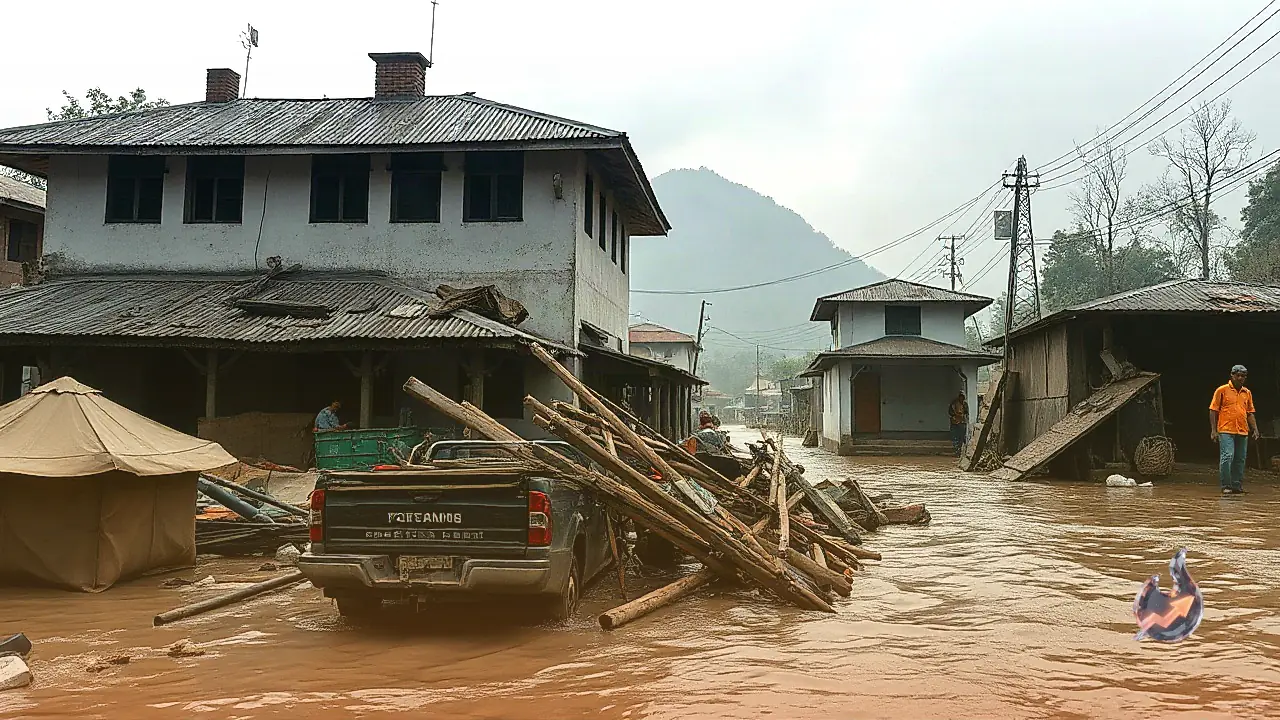

























A catastrophic flood originating near the Tibet and Nepal border has unleashed widespread devastation, resulting in the deaths of over a thousand people while thousands of others remain missing. When the destructive deluge struck from the Tibetan side on August 26, residents in the Nepalese areas of Rasuwa, Nuwakot, Trishuli, and Devighat were left with virtually no time to react or secure themselves. Nepal had never witnessed such a destructive spectacle before in its recorded history. In the wake of this immense tragedy, the United Nations has stepped forward with a formal statement and a stern warning regarding the vulnerability of the entire region.
UN Climate Chief Highlights Mountain Vulnerability
United Nations climate chief Simon Stiell stated that the disaster, triggered by a glacier collapse and sudden flash floods near the Nepal-China border, serves as a stark reminder of how fragile mountainous environments truly are, particularly within the Hindu Kush Himalaya region. Stiell noted that local community members and scientists have been sounding the alarm for numerous years, warning that ongoing climate shifts present an escalating and monumental danger to the entire Hindu Kush Himalaya terrain.
Fossil Fuels and Global Temperature Rise
Addressing the Tibet-Nepal flooding crisis on Sunday, Simon Stiell emphasized that the massive combustion of coal, oil, and gas generates intense heat, which continuously warms the global climate and escalates the frequency and severity of such disasters worldwide. These extreme environmental events disproportionately inflict the heaviest toll on vulnerable communities who are least equipped to handle them.