




















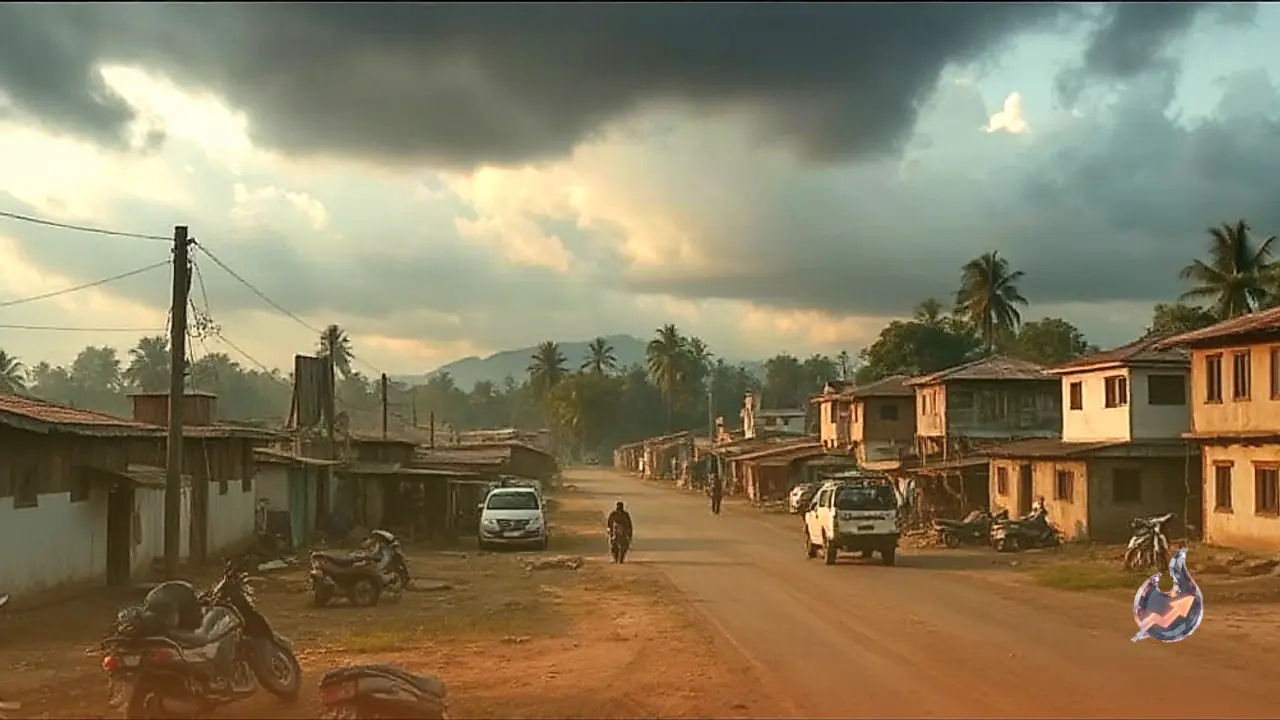

Bulldozers and excavators tore through five villages in Assam's Goalpara district on Monday, flattening 73 houses in one of the region's largest eviction operations this year, as authorities pressed ahead with a drive against what they called unauthorised occupation of agricultural land.
Five villages cleared in a single morning
The demolition began around 8 am and swept through Harimura, Bhojmala Tengabari, Paschim Bhelakhamar, Kharija Manikpur and Jotsarwadi, all falling under the Matia Revenue Circle in the Krishnai area. Roughly 10 excavators worked alongside JCB machines and bulldozers to bring down the structures, while a heavy police deployment secured the site throughout the operation to prevent any law and order trouble.
Administration cites illegal construction and blocked waterways
District officials said the 73 families had settled on agricultural land and built their homes without securing the mandatory change in land classification, a legal requirement before farmland can be used for residential construction. Officials further alleged that the settlements had choked natural drainage channels and waterways that local farmers depend on, disrupting cultivation in the surrounding fields.
Notice period expired before bulldozers moved in
The administration had issued eviction notices before Monday's action, giving residents just 24 hours to vacate their homes and dismantle the structures on their own. According to officials, not a single family complied within that window, which left the administration to proceed with the forced demolition.
Families left distressed as homes come down
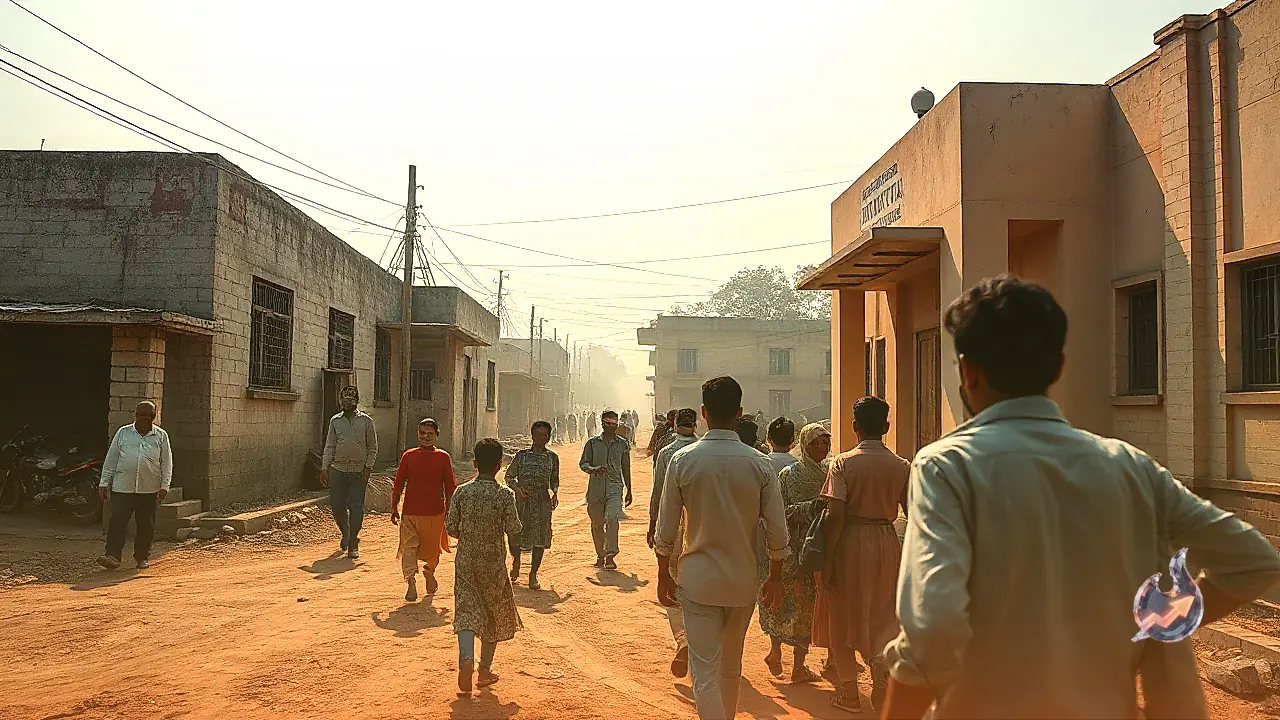
Many of the houses razed on Monday belonged to families who said they had lived on the land for years. Visibly shaken residents were seen breaking down as excavators flattened their homes. Some of the displaced families said their original homes in the Bagbor and present-day Mandia areas had been washed away by the Brahmaputra river in 2017, after which they bought land in the Goalpara area and rebuilt their lives there.
A divided response from the local community
Not everyone in the area condemned the drive. Some local residents welcomed the eviction, arguing that clearing the encroached land would protect farmland, restore the natural flow of waterways, and safeguard the livelihoods of indigenous cultivators who depend on that agricultural land.