























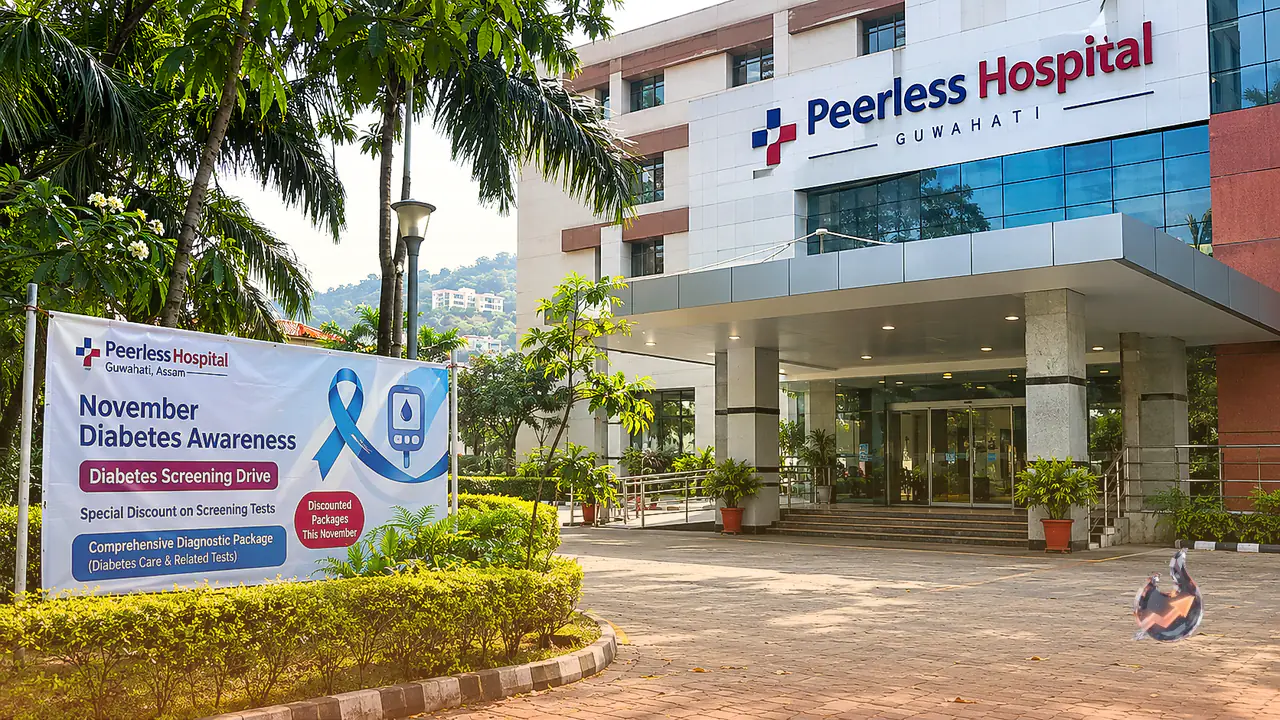

Marking the annual observance of Diabetes Week from November 7 to November 14, Peerless Hospital Guwahati has launched a targeted diagnostic and awareness campaign aimed at early disease detection. The healthcare initiative focuses on motivating individuals to take active control of their metabolic health through structured screening routines and timely clinical consultations before secondary medical issues develop.
Comprehensive Diagnostic Package and Core Assessments
To reduce financial barriers to preventive diagnostics, the healthcare facility has rolled out a Special Diabetes Care Package at a 25% discount, bringing the overall cost down to Rs 2,904. The hospital confirmed that this promotional diagnostic offer will remain accessible to patients until November 14, 2026, offering long-term affordability for community members seeking routine evaluations.
The package has been structured to assess a broad range of biological markers associated with glycemic control and secondary organ health. It encompasses a Fasting Blood Sugar (FBS) test, Haemoglobin (Hb%), Serum Creatinine to check renal function, a Urine Routine Examination (Urine RE), and an HbA1c test for quarterly glycemic trends. Furthermore, the assessment includes a Lipid Profile for cardiovascular risk profiling, Thyroid Stimulating Hormone (TSH) testing, an Electrocardiogram (ECG), and a direct consultation with a specialized diabetic physician to review all findings.
The Silent Progression of Glycemic Disorders
One of the primary clinical challenges surrounding metabolic diseases is their tendency to remain asymptomatic during the early phases of onset. Individuals frequently carry elevated blood sugar levels for years without noticeable physical distress, leaving systemic damage undetected until severe physiological complications arise. The campaign addresses this diagnostic gap by prioritizing scheduled preventive checkups.
Addressing the objective of this screening initiative, Dr. Pranab Barua, CEO of Peerless Hospital Guwahati, pointed out that rising diabetes numbers pose a severe public health burden across the region. Barua noted, "Early detection, regular monitoring and timely medical guidance can make a significant difference in preventing complications and improving quality of life." He reiterated that understanding personal health markers today serves as a vital step toward safeguarding future well-being.
Focus on High-Risk Individuals and Lifestyle Factors
The medical team has specifically urged people with identifiable risk factors to step forward for immediate screening. Individuals with a documented family history of diabetes, those working in desk-bound occupations, and people leading largely sedentary lifestyles carry significantly higher susceptibility to glycemic imbalance. The hospital emphasized that consulting healthcare professionals helps establish a baseline understanding of individual testing intervals.
Sustained medical supervision, dietary vigilance, and regular clinical assessments form the core foundation of successful long-term metabolic care. Through ongoing preventive initiatives and diagnostic programs, the institution continues its push to help citizens make informed healthcare choices and reduce late-stage chronic health complications.