



















A major celestial event is set to unfold on Wednesday, August 12, as the Moon passes directly between the Sun and the Earth, blotting out the Sun entirely for a few minutes. This will be a total solar eclipse, but people in India will not get to see it, because it will already be nighttime in India when the eclipse takes place. As a result, this particular event will be completely absent from Indian skies, even as several parts of Europe watch the Sun vanish behind the Moon's shadow in broad daylight.
The different kinds of solar eclipses
Not every solar eclipse looks the same. When the Moon covers the Sun completely and darkness briefly falls over the day, it is called a total solar eclipse. When the Moon blocks only part of the Sun while the rest continues to shine, that is a partial solar eclipse. There is also a third kind, where the Moon passes right across the middle of the Sun but isn't quite large enough to cover it fully, leaving a glowing ring of fire around its edge, known as an annular solar eclipse. The eclipse arriving on August 12 falls in the total solar eclipse category.
Where the eclipse will actually be visible
The total solar eclipse of August 12, 2026 will not be visible in Indian skies, since it will be nighttime in India when it occurs, and this celestial event can only be observed in daylight. However, several parts of the world will get a clear view. The eclipse will be visible in Greenland and Iceland, along with parts of Spain and Portugal, and it will also be seen, either fully or partially, across several other regions of Europe. That's why there is considerable excitement worldwide over this eclipse, since in these countries the Sun will vanish completely for a few minutes in the middle of the day.
No effect on Sutak period or worship in India
According to religious beliefs, the Sutak period is considered applicable only in places where an eclipse is actually visible. Since this total solar eclipse will not be seen in India at all, none of the traditions linked to Sutak will apply here. That means the eclipse will not lead to temple doors being closed in India, nor will there be any restriction on regular worship or other religious rituals. Devotees can continue with their normal daily routine and prayers as usual.
Why the eclipse still matters in astrology
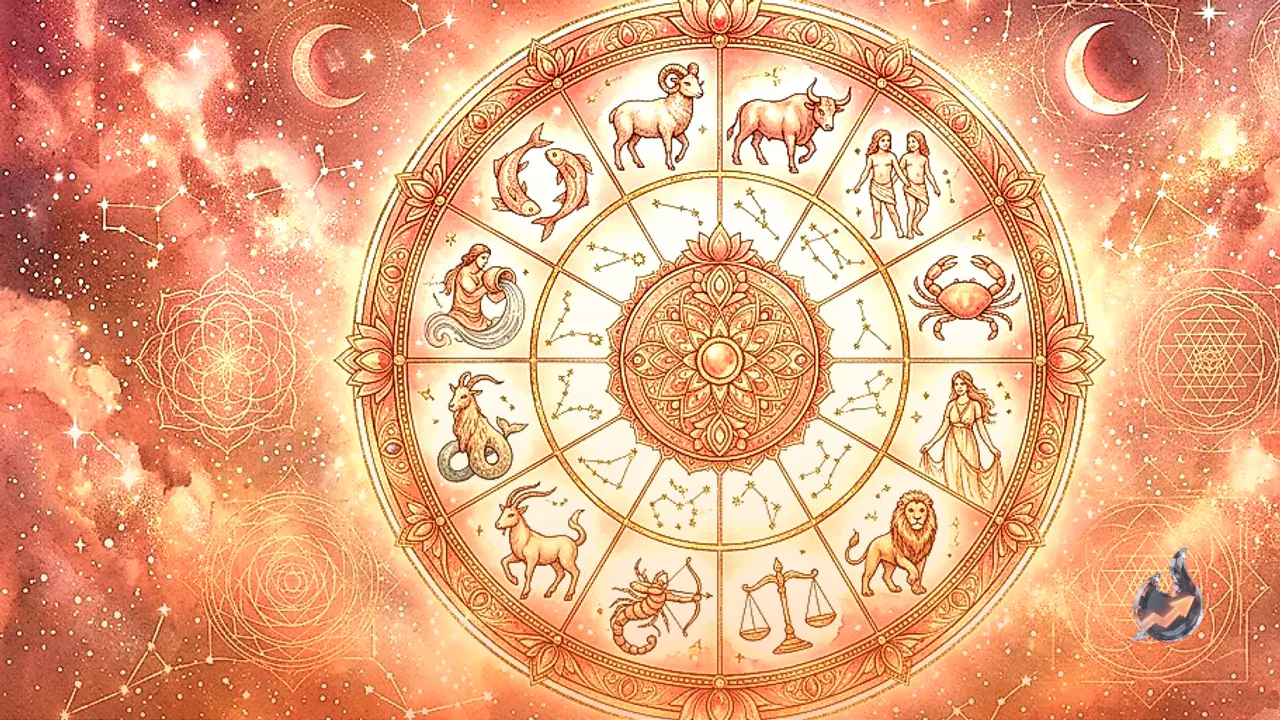
Even though this eclipse won't be seen from India, a solar eclipse is still regarded as a significant planetary event in astrology. It is believed that its effect is not the same for everyone, and can vary from person to person and sign to sign depending on their individual birth chart. That is why no single, uniform rule about the eclipse's impact can be applied to everyone. Astrologers advise staying patient during the eclipse, avoiding hasty major decisions, and using the period to focus on spiritual activities instead.
Safety precautions for those watching the eclipse
There is also an important warning for people in the countries where this solar eclipse will be visible. The Sun should never be viewed directly without glasses fitted with a certified solar filter. Ordinary sunglasses are not considered safe for viewing an eclipse, since they cannot fully protect the eyes from the Sun's intense rays. Looking directly at the Sun without proper protective equipment carries a real risk of eye damage.