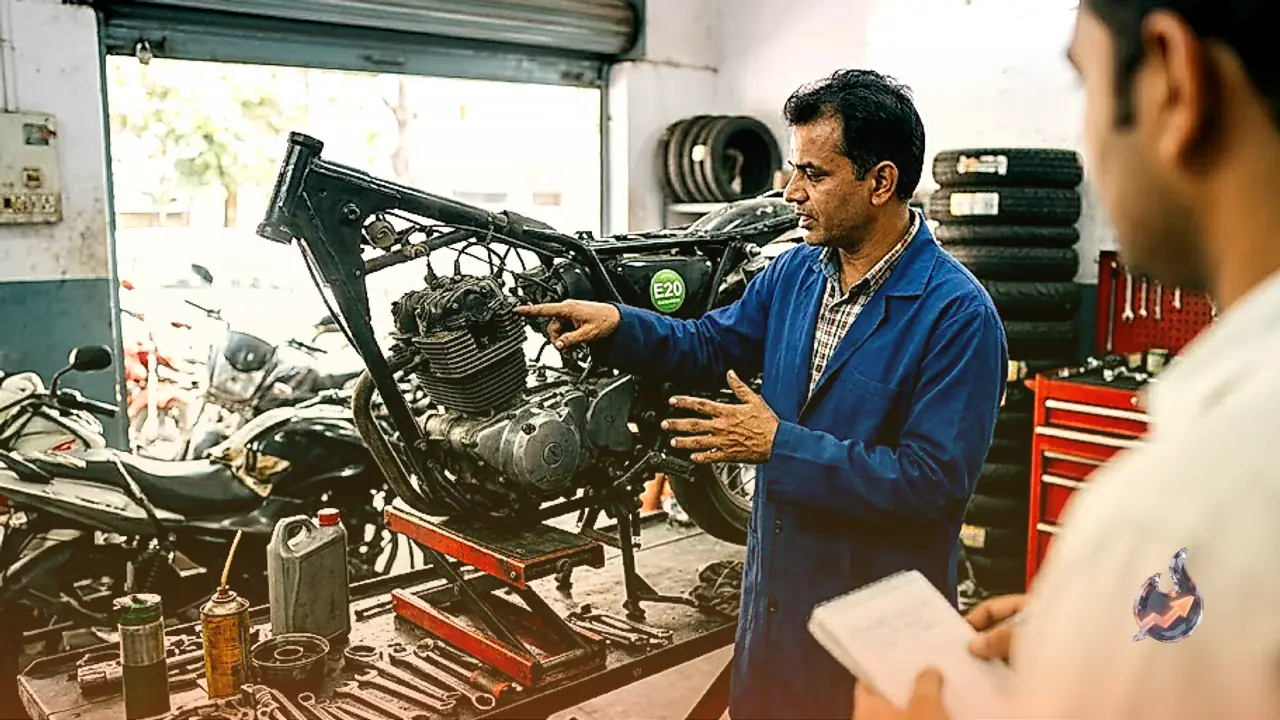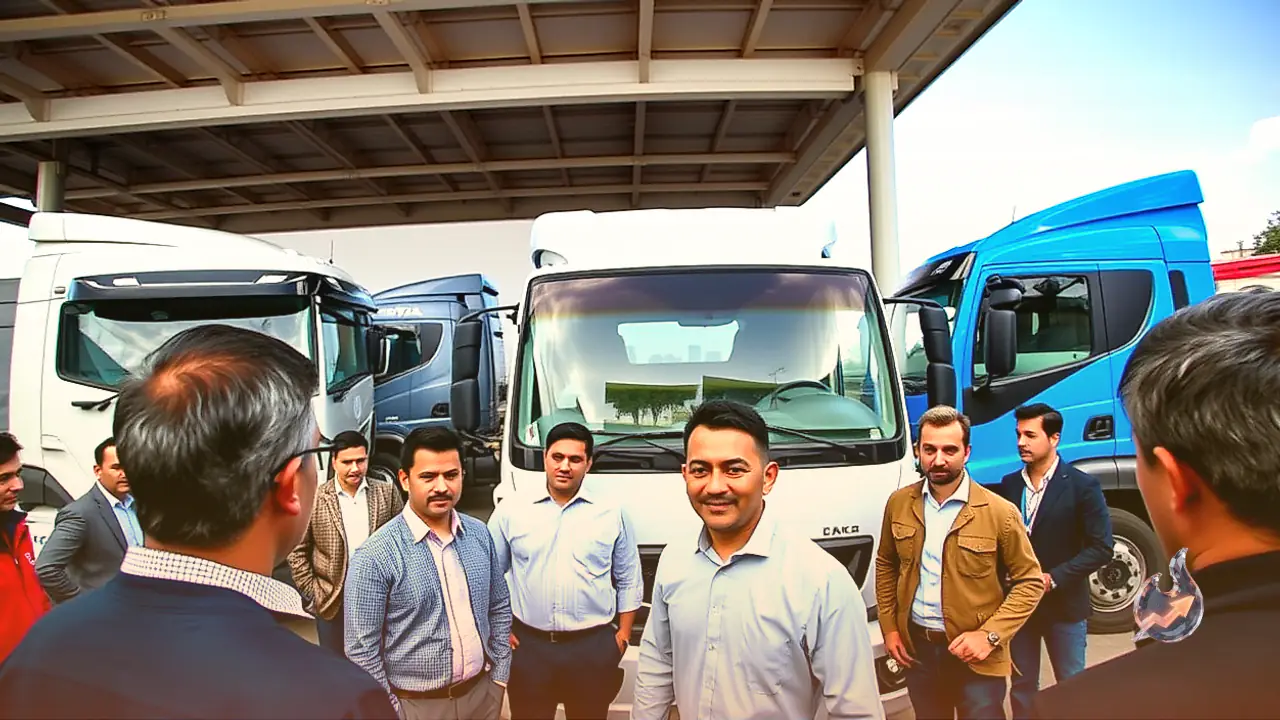







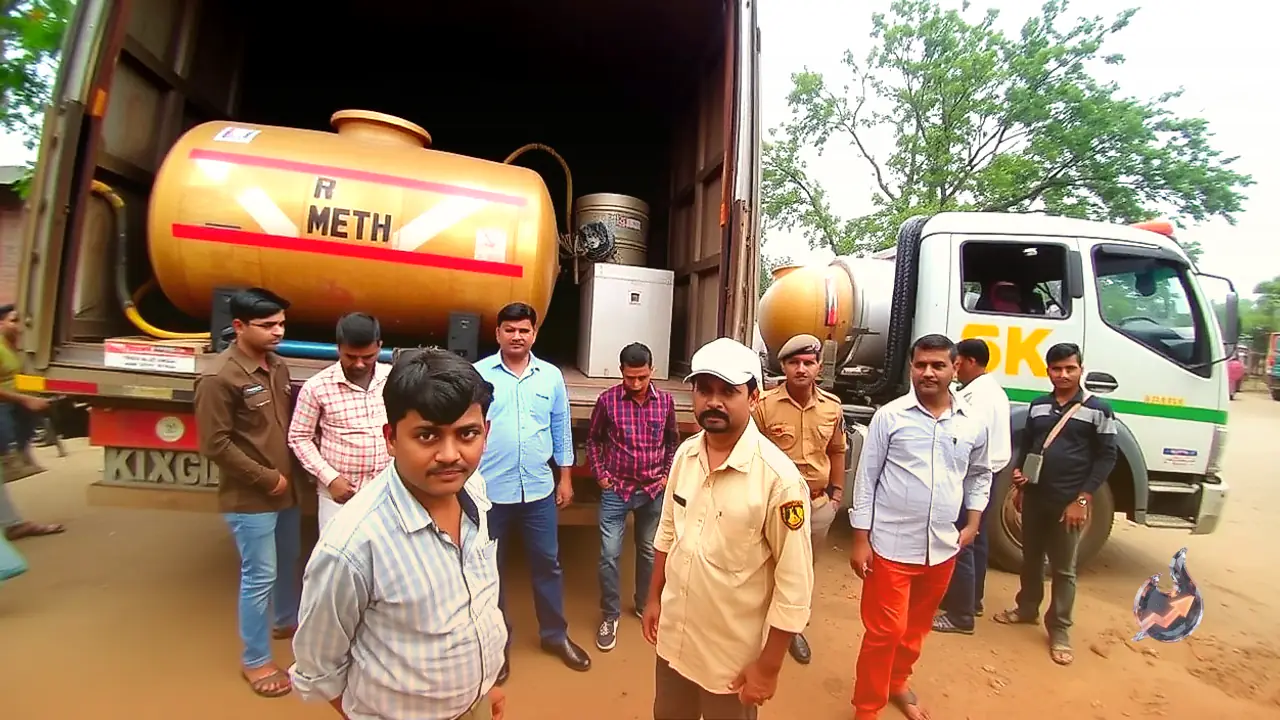















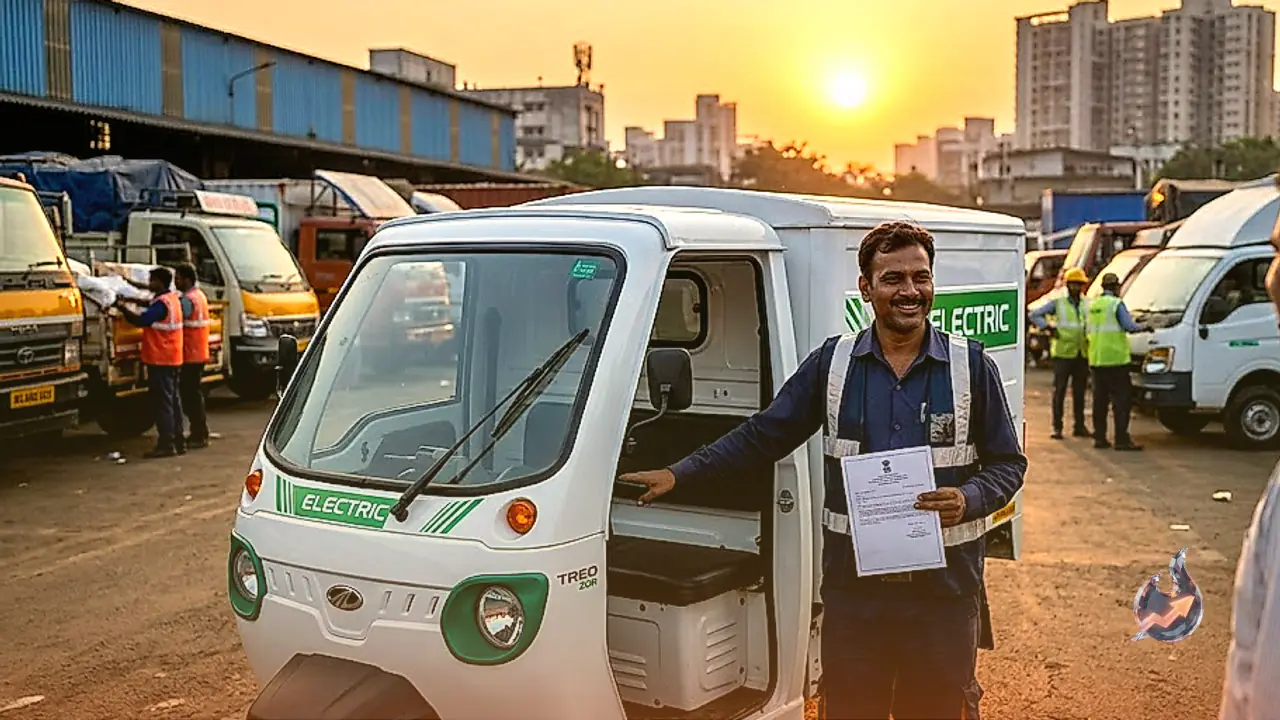

The central government has taken a significant step toward encouraging green transportation across India. A major decision has been announced, granting a seven-year exemption from mandatory permit requirements for all commercial vehicles that operate on alternative fuels such as battery electric, methanol, ethanol, or hydrogen. By easing the regulatory burden on these eco-friendly transport options, the government aims to reduce environmental pollution and accelerate the adoption of clean energy within the national transport sector.
Understanding the Permit Rule Changes
Under the provisions of section 66(1) of the Motor Vehicle Act, commercial vehicles, including trucks meant for freight and buses used for passenger transit, are typically required to obtain a permit to operate on public roads. This process often involves extensive documentation and administrative effort. However, to incentivize the shift toward cleaner alternatives, the government has now lifted this mandate for vehicles powered by advanced clean fuels for a duration of seven years. This policy is designed to foster a more sustainable transport ecosystem and encourage companies and individual operators to transition away from traditional fossil fuels.
Mandatory Conditions for Compliance
While the exemption provides significant relief, it comes with a strictly enforced condition. To be eligible for the permit waiver, each commercial vehicle must be equipped with an AIS-140 compliant Vehicle Location Tracking Device (VLTD). This GPS-based tracking system allows government agencies to monitor the real-time location, speed, and status of the vehicle, ensuring road safety and adherence to traffic regulations. Authorities have emphasized that the inclusion of this device is non-negotiable; any vehicle lacking the specified VLTD will not qualify for the seven-year permit exemption.
Impact on the Transport Industry
For transport operators, this seven-year reprieve represents a substantial reduction in operational costs. By eliminating permit fees, reducing paperwork, and cutting down on time-consuming administrative procedures, the government is making the investment in clean-fuel vehicles much more attractive. Both large-scale logistics companies and smaller independent transport operators are expected to benefit from this policy shift. Furthermore, this initiative is seen as a crucial building block in achieving the national goal of net-zero emissions by 2070. By making eco-friendly fleets more affordable and easier to maintain, the government is not only cleaning up the air in urban centers but also strengthening the broader Make in India and Aatmanirbhar Bharat initiatives through the promotion of modern, indigenously adopted green technologies.