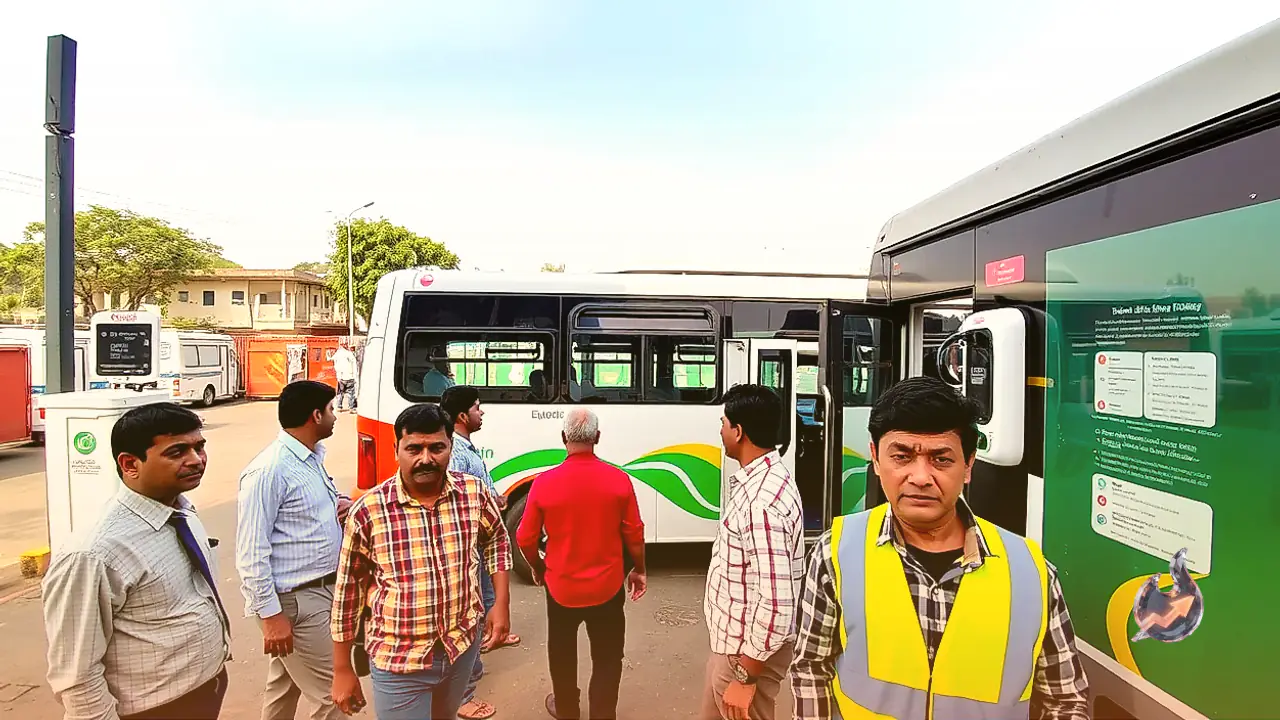





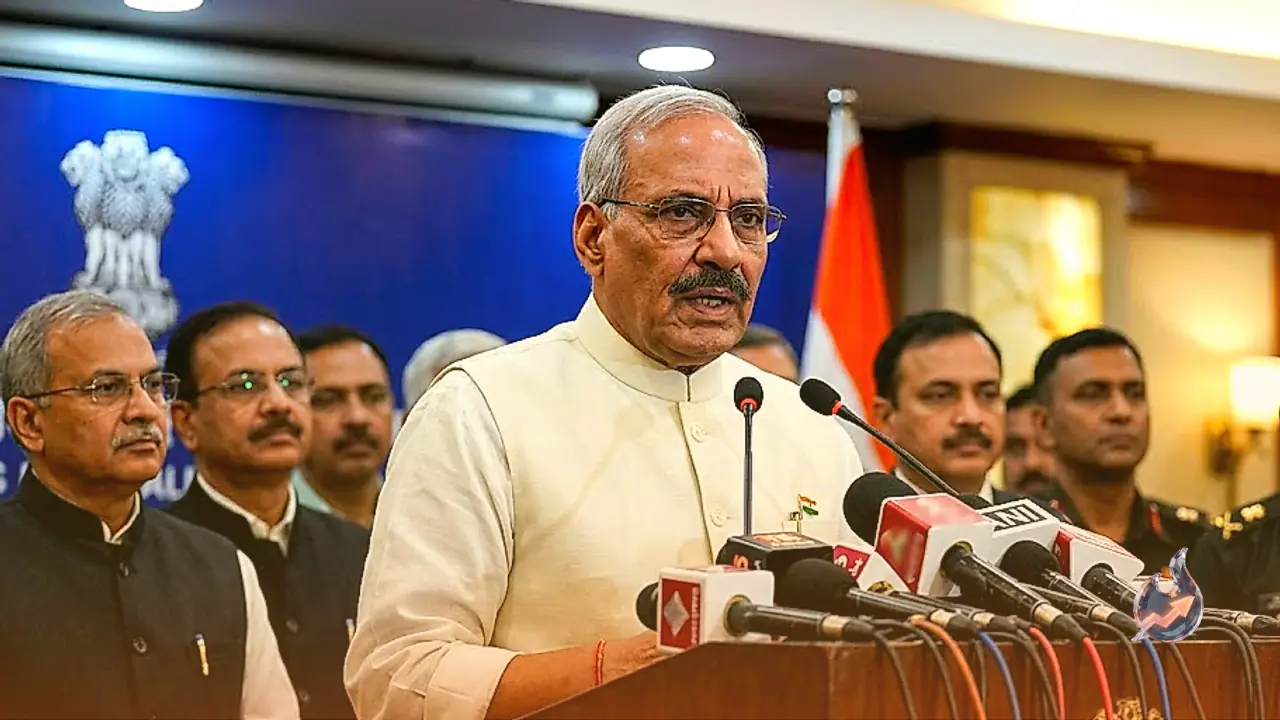

















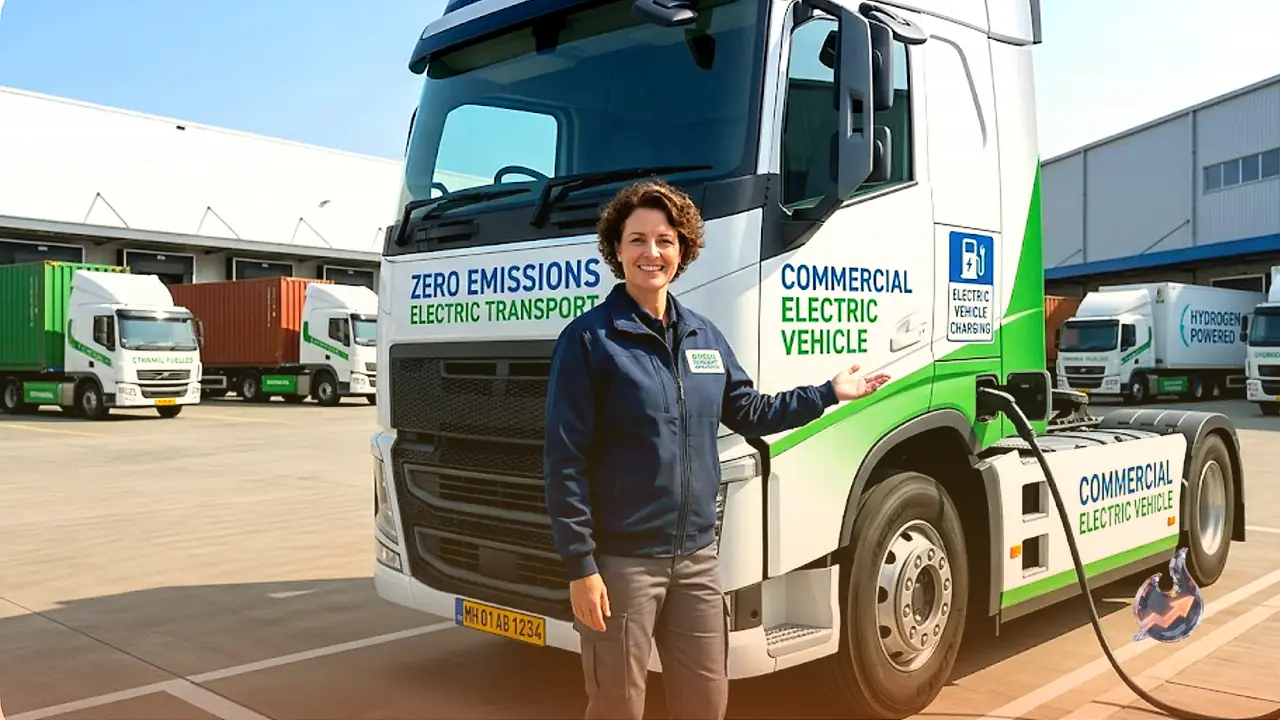

Commercial vehicle operators, including those running taxis, buses, and freight trucks, have received a significant boost as the central government has extended the permit exemption for such vehicles by another year. This strategic decision marks a major expansion in the scope of the incentive, as it is no longer restricted solely to electric vehicles.
Expanding Benefits to Alternative Fuels
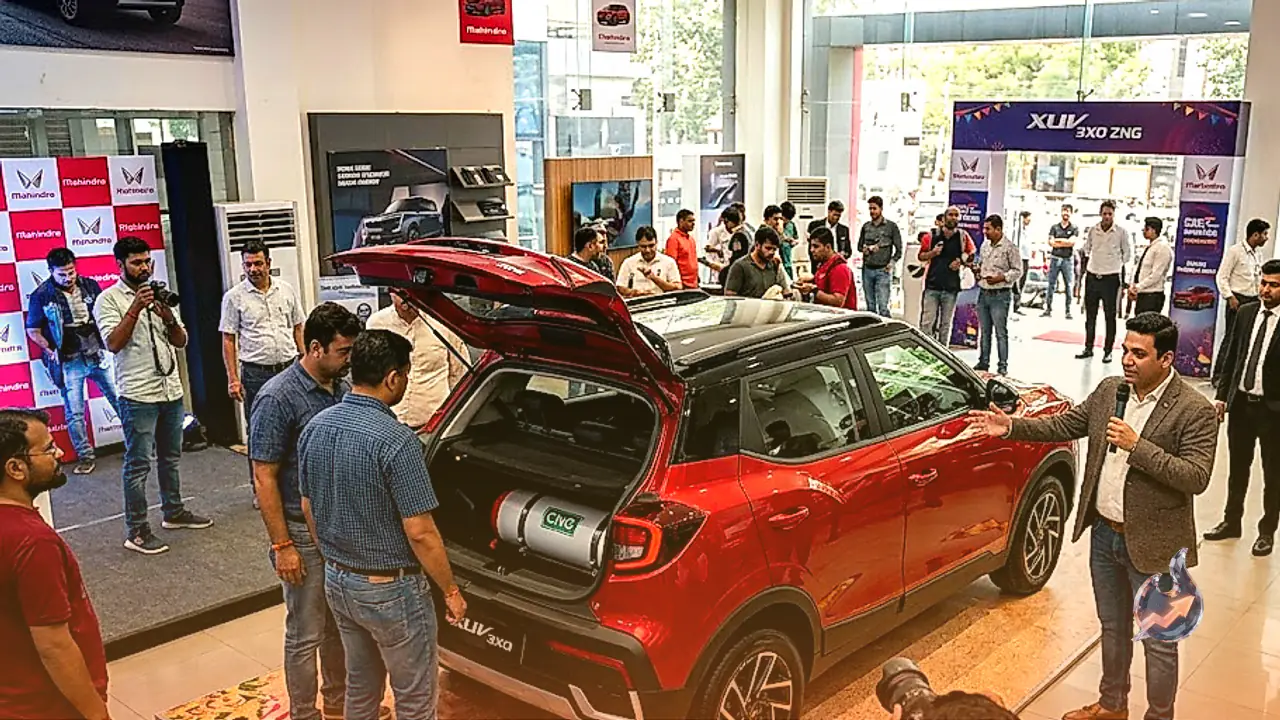
Under the new policy framework, commercial vehicles powered by cleaner alternative fuels, specifically ethanol, methanol, and hydrogen, are now also exempt from the mandatory permit requirements. The government believes that simplifying the regulatory burden for low-emission vehicles will accelerate their adoption across the transport industry. By removing these hurdles, the move aims to promote the usage of clean energy while simultaneously lowering the operational expenses for fleet owners.
Streamlining Transport Logistics
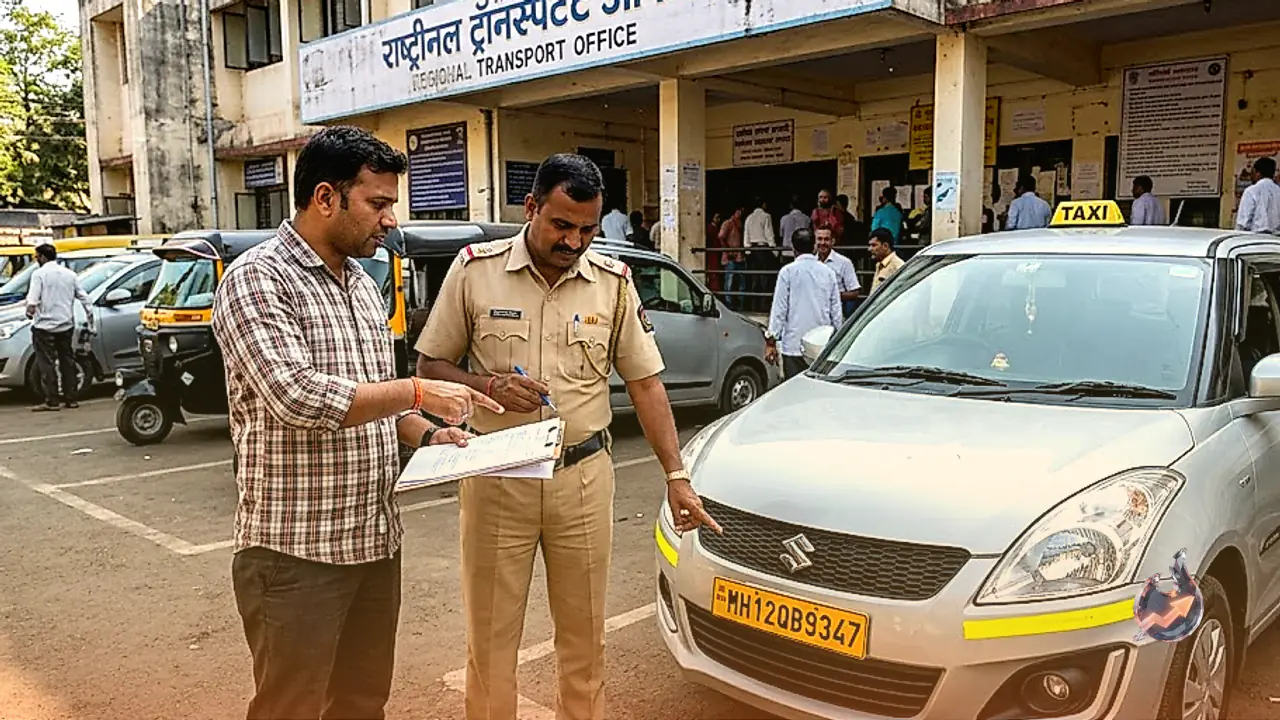
Typically, commercial vehicles in India require either a national permit or an All India Tourist Permit to operate across various states. Securing these permits usually involves lengthy bureaucratic processes, including complex documentation and the payment of fees. By granting an exemption to electric and alternative-fuel vehicles, the government is facilitating a shift toward green mobility, allowing operators to save both valuable time and capital.
Scope of the Exemption
It is important to note that this policy is strictly applicable to vehicles used for commercial purposes. If you own a private electric vehicle, this decision does not alter your current rules or requirements. Private cars were never subject to these specific commercial permits; therefore, this policy update does not impact individual car owners or their daily operations in any way.
Extended Deadline Until July 2027
The government has officially extended the duration of this permit waiver, ensuring it remains in effect until July 2027. Throughout this period, eligible commercial passenger and cargo vehicles can continue to operate under established guidelines without the need for traditional permits. This initiative aligns with the broader objective of reducing dependence on fossil fuels, curbing environmental pollution, and enhancing the overall efficiency of the nation's logistics and transport sector.