







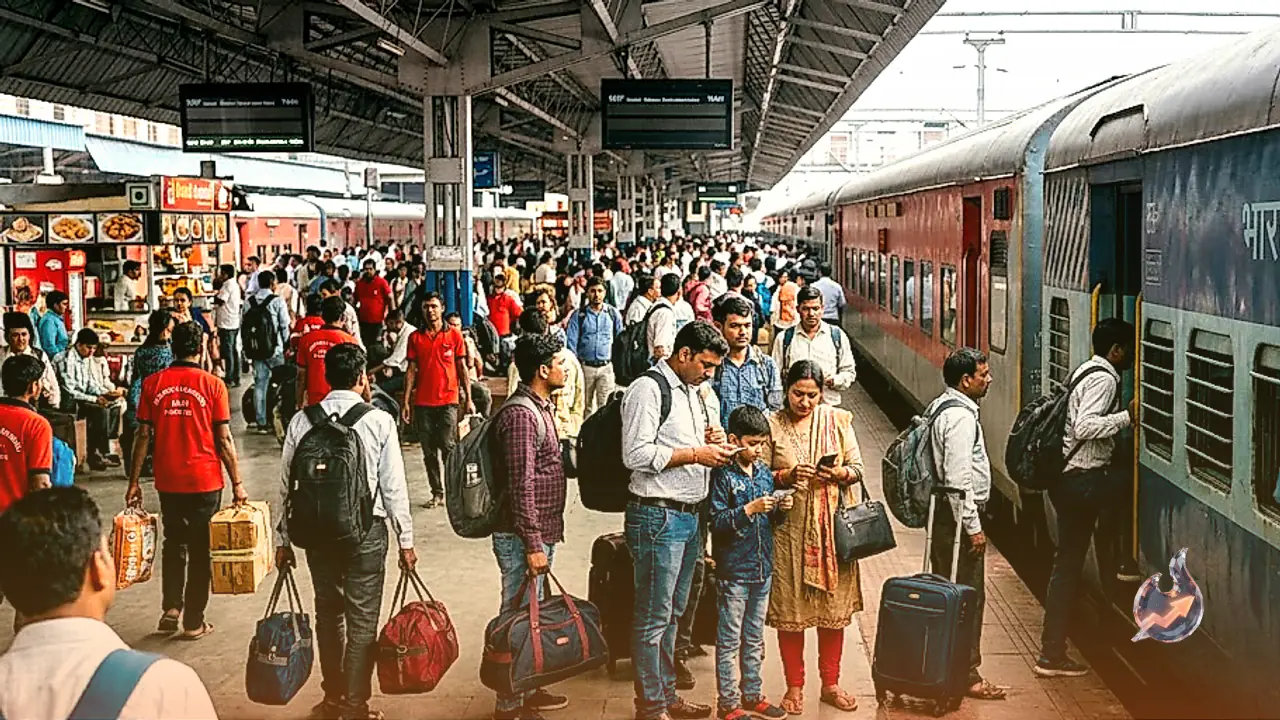














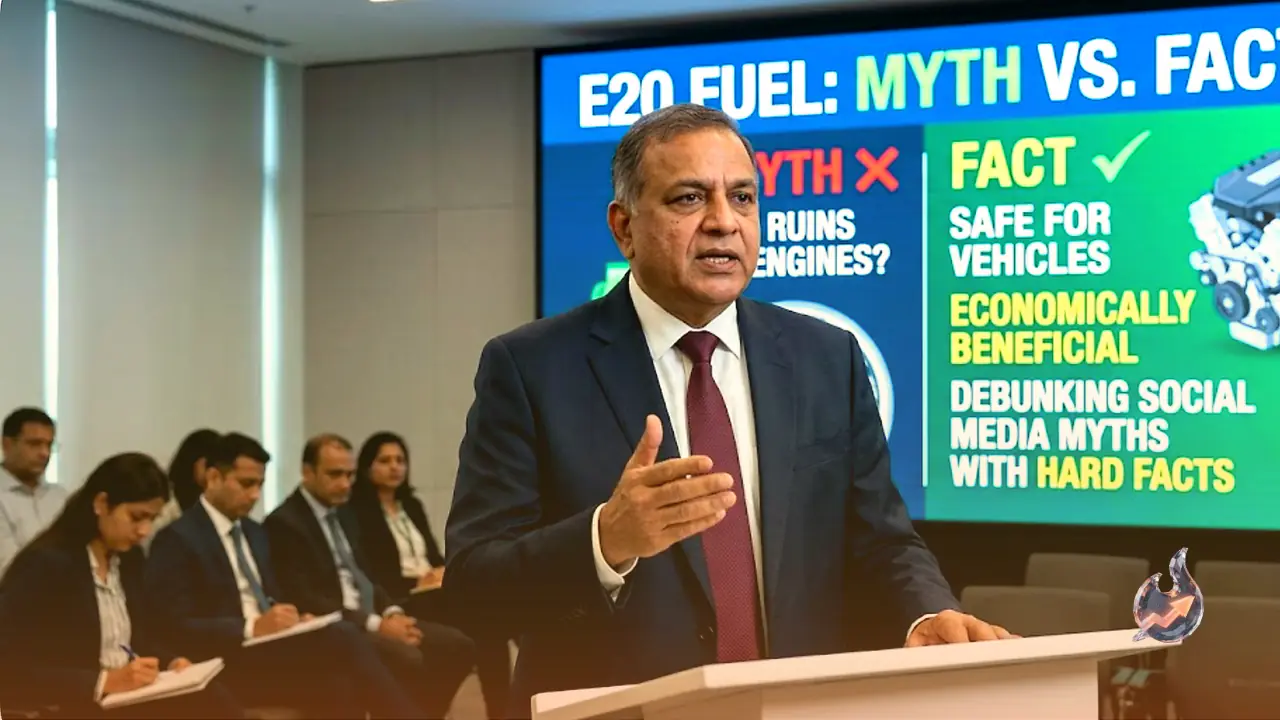

Over the last few days, social media and various online platforms have been flooded with diverse claims questioning the safety and impact of E20 petrol. Some viral posts have gone so far as to assert that this blended fuel is causing severe damage to vehicle engines, while others claim it could potentially invalidate active motor insurance policies. In response to these growing concerns and speculative reports, the Indian Sugar & Bio-energy Manufacturers Association (ISMA) has issued a comprehensive official statement. The industry body has categorically dismissed these allegations, terming them entirely misleading, baseless, and devoid of any scientific foundation.
Rigorous Evaluation Ensures Total Vehicle Safety
According to the Ministry of Petroleum and Natural Gas, the rollout of E20 fuel was preceded by exhaustive testing and evaluation cycles specifically designed to ensure vehicle safety and operational compatibility. The ministry has clarified that since the official introduction of E20 petrol across the country, there has not been a single documented or verified case of a vehicle breaking down or suffering engine damage due to this fuel. Government officials also emphasized that the entire integration process was executed after extensive consultations with top automobile manufacturers, oil marketing companies, and standard testing laboratories, ensuring that vehicles on Indian roads remain fully safe while operating on this blend.
How Fuel-Grade Ethanol Is Actually Manufactured
Addressing the common misconception that raw sugarcane juice is poured directly into petrol tanks, ISMA has shed light on the actual manufacturing process of biofuel. According to the association, fuel-grade ethanol is the product of a highly controlled and sophisticated industrial process. It is processed from diverse agricultural feedstocks, including sugarcane juice, heavy molasses, maize, and damaged food grains like broken rice. This raw material undergoes processing to meet precise industrial specifications. It is only after clearing stringent quality control checks that the ethanol is blended into petrol at the designated percentage, ensuring that the final E20 fuel is uniform and perfectly compatible with vehicle engines.
Economic Windfalls and Environmental Advancements
Apart from reducing harmful tailpipe emissions and contributing to cleaner air, the E20 blending initiative plays a vital role in strengthening the fiscal health of the nation. By substituting a portion of fossil fuels with domestically produced ethanol, India significantly cuts down its reliance on expensive crude oil imports. This domestic production not only conserves valuable foreign exchange reserves but also provides a major financial boost to local farmers, who supply the raw agricultural materials. According to government projections and estimates, the ethanol blending program has already helped India save more than Rs 1.4 lakh crore in foreign exchange, demonstrating its profound impact on the national economy.
Relying on Facts and Official Verification
Addressing the public, Deepak Ballani, the Director General of ISMA, highlighted that India's ambitious ethanol blending roadmap is rooted entirely in verified scientific principles. He urged consumers not to fall prey to unverified claims circulating on social media networks. For any queries or concerns regarding fuel compatibility and engine performance, vehicle owners should exclusively refer to official notifications, automotive manufacturers, and authoritative government institutions. This call for facts is further echoed by Nitin Gadkari, who threw down an open challenge to critics, asking them to present even a single car that has suffered actual damage due to ethanol-blended petrol, highlighting the absolute safety of the current fuel standards.