






















In a major push toward sustainable transportation, the Meghalaya cabinet has officially given its green light to the Electric Vehicle Policy, 2026. Approved on Monday, this forward-looking framework aims to accelerate the transition toward clean mobility across the state by offering direct financial relief and administrative exemptions to prospective vehicle owners. The administration hopes this move will significantly scale up the adoption of battery-powered transit in the region.
Key Financial Benefits Under the New Policy
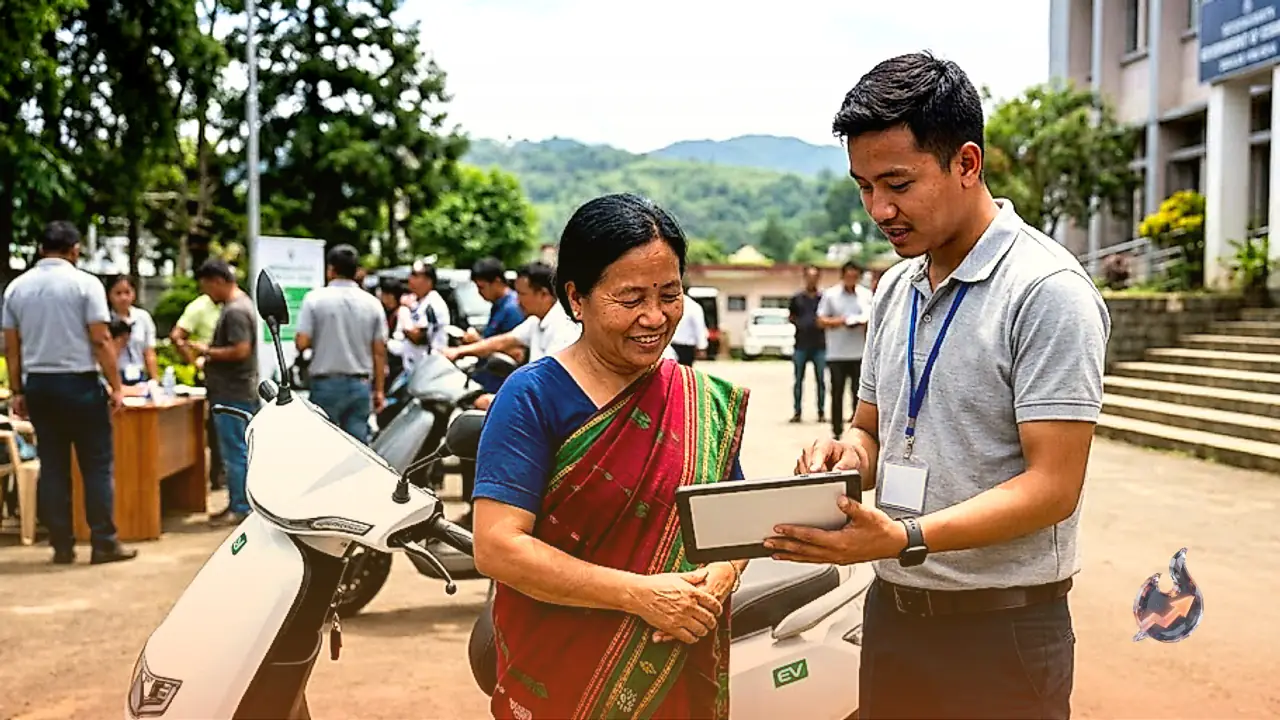
Detailing the initiative to media personnel, senior state minister Marcus Marak explained that the newly adopted EV policy grants a direct incentive of 25,000 rupees to every buyer of an electric vehicle. Furthermore, the state has completely eliminated registration fees for these eco-friendly models. Marak emphasized that these attractive benefits are not restricted to passenger cars alone, but will also extend fully to purchasers of electric two-wheelers and three-wheelers.
Current Electric Vehicle Statistics in the State
Providing context on the existing adoption rates, officials noted that the hill state already has a sizable footprint of battery-powered transport. There are currently more than 5,000 electric vehicles operating across various districts. The government anticipates that the combination of cash incentives and zero registration costs will catalyze this figure significantly in the coming months, boosting green infrastructure development as well.
Measures to Strengthen the Power Sector
Alongside the electric vehicle rollout, the cabinet also sanctioned several critical measures aimed at reinforcing the state's power infrastructure. These decisions include the appointment of a chief technical advisor dedicated to power generation matters. Additionally, the administration approved an allocation of 22.37.crore rupees designated as land compensation for a major transmission line project, ensuring that the local electrical grid remains robust enough to handle rising electricity demands.
Delhi Implementation and Subsidy Structure
Shifting focus to other administrative regions, the capital territory of Delhi has also been operating under a newly revised EV policy since July 1. Formulated to combat worsening urban air pollution levels, Delhi's framework is designed to progressively phase out legacy internal combustion engine vehicles and replace them with electric alternatives. Under this scheme, the Delhi government offers substantial subsidies reaching up to 100,000 rupees on eligible purchases.
Specific Vehicle Subsidies in the Capital
Breaking down the capital's incentives, purchasers of electric two-wheelers can receive up to 30,000 rupees, while three-wheeler buyers are eligible for up to 50,000 rupees. For heavy commercial usage, electric truck buyers can claim up to 100,000 rupees in financial backing. Moreover, the Delhi administration provides a full 100 percent waiver on road taxes and registration charges for electric vehicles priced up to 30.lakh rupees, encouraging widespread private and commercial adoption.