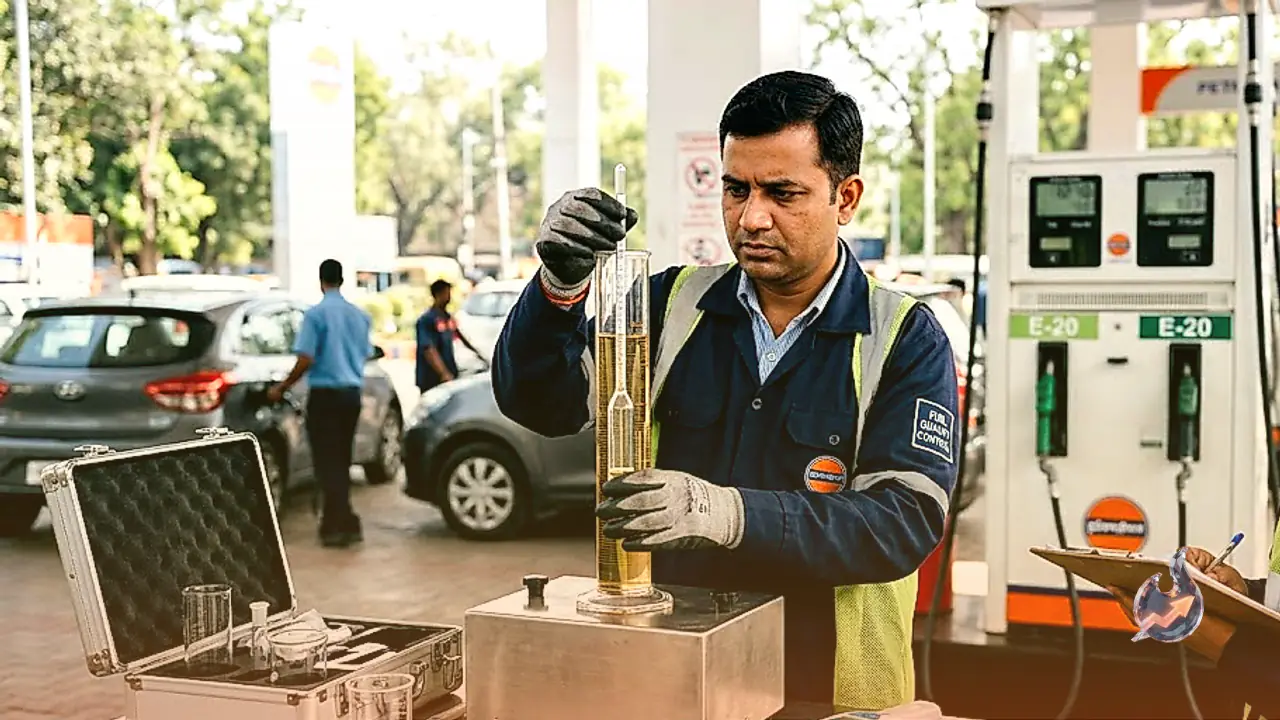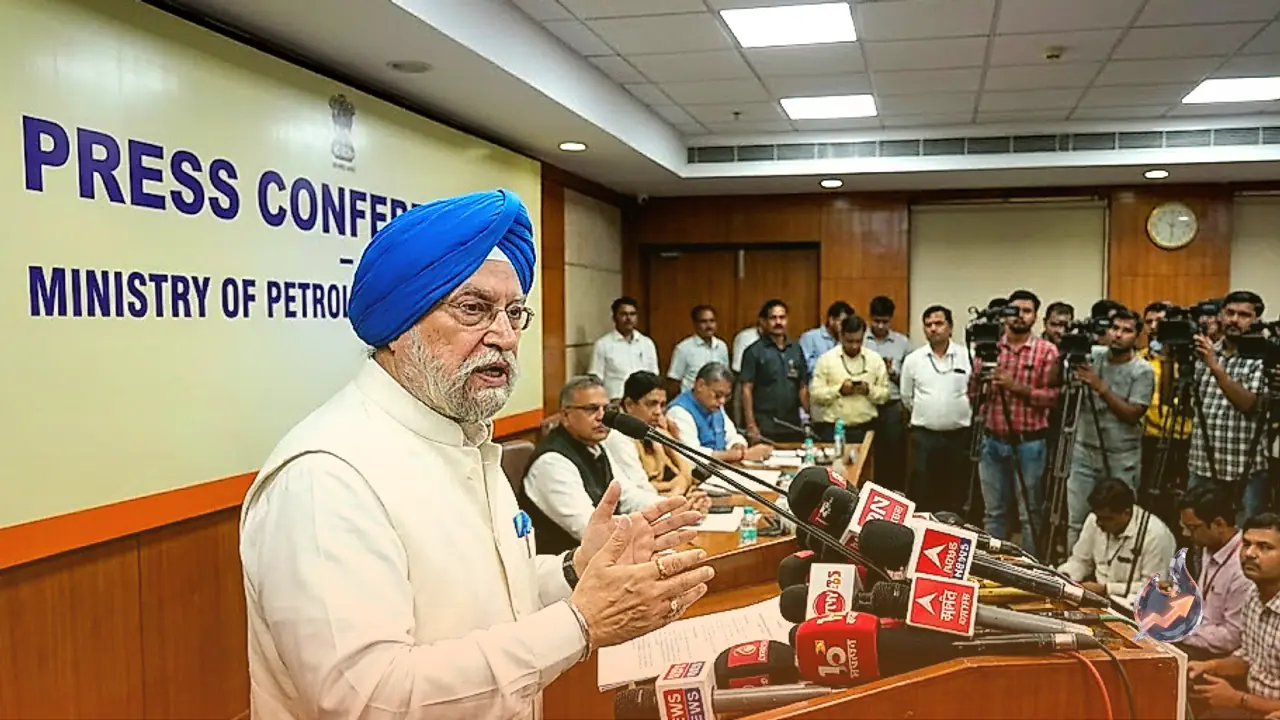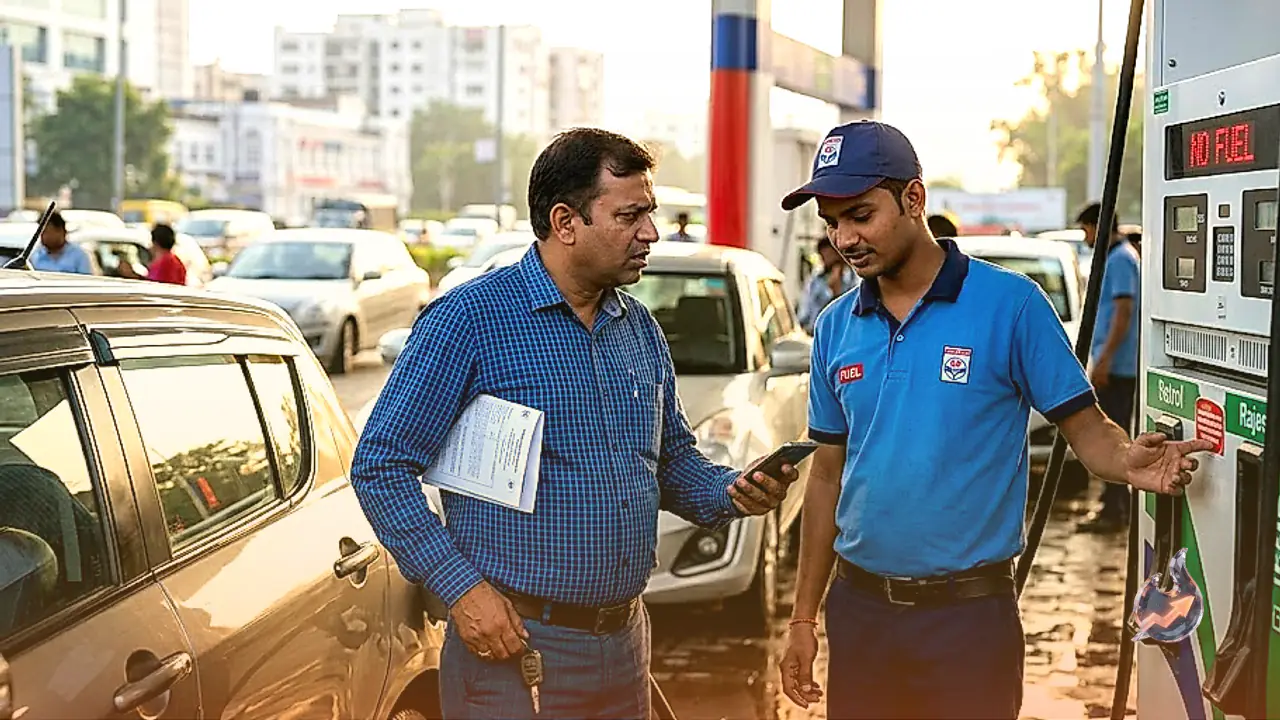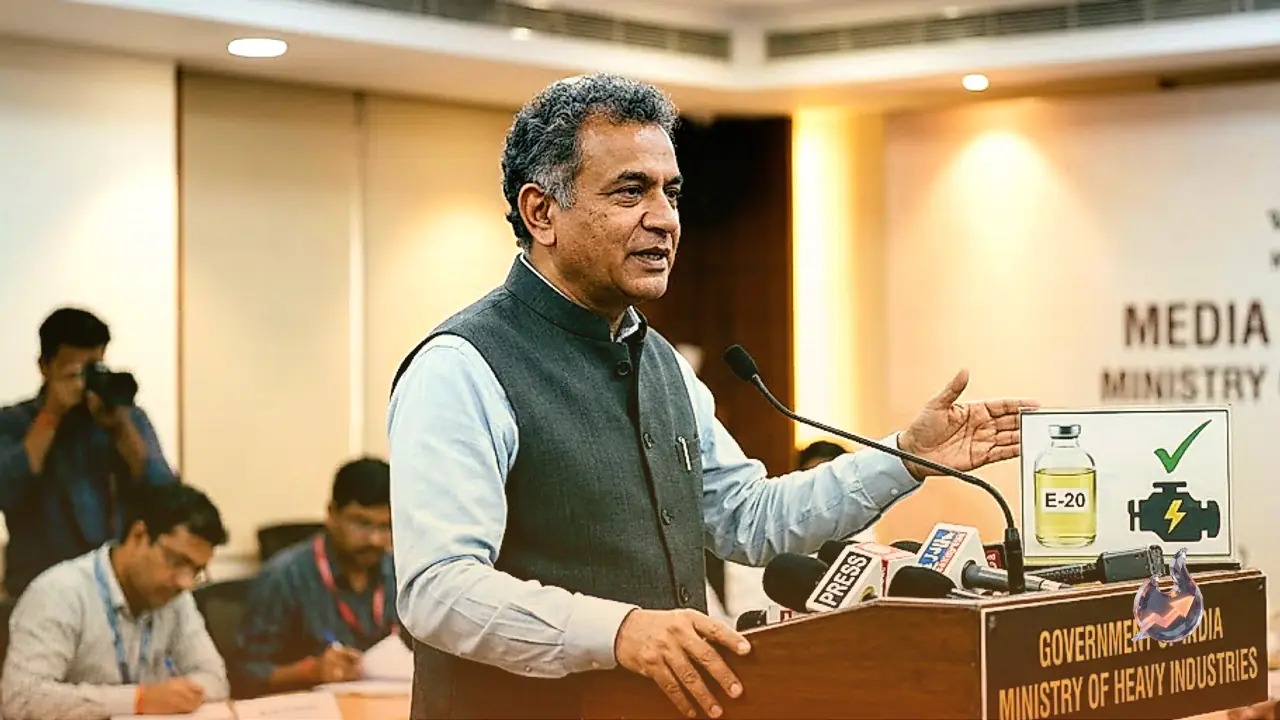






















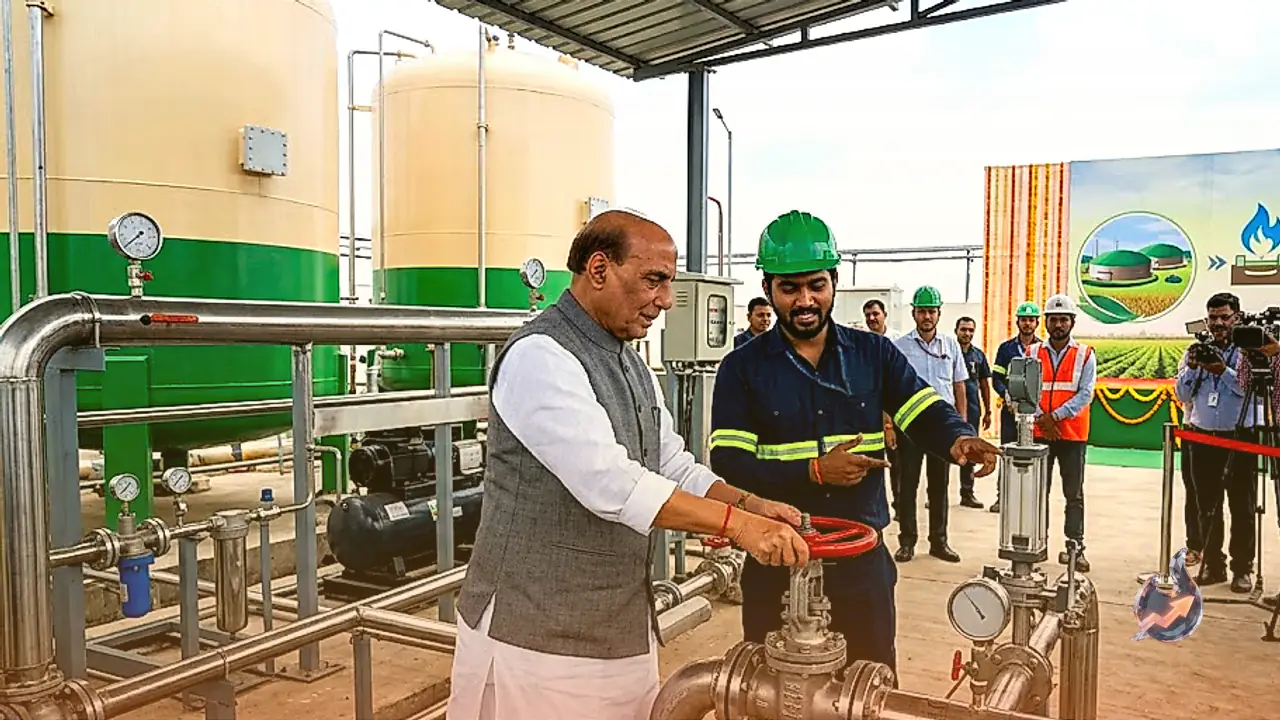

Following the successful rollout of ethanol blending in petrol, the Central Government has accelerated its strategy to integrate compressed biogas into compressed natural gas. The Union Cabinet, chaired by Prime Minister Narendra Modi, approved the Gobardhan scheme with a total outlay of Rs 23,731 crore. Under this initiative, abundant biomass resources including agricultural residues, cattle dung, sugarcane bagasse, municipal organic waste, and other biodegradable materials will be converted into clean fuel, organic bio-fertilizers, rural income opportunities, and national economic output.
Targeting a 10-Fold Surge in Compressed Biogas Output
The primary goal of this policy push is to expand domestic Compressed Biogas (CBG) manufacturing capacity nearly tenfold, attract substantial private investment, and foster a robust circular bio-economy nationwide. By scaling up home-grown bio-energy, India aims to reduce its heavy dependency on imported energy supplies. The Gobardhan scheme will be implemented across a ten-year timeframe, running from FY 2026-27 to FY 2035-36, establishing CBG as a cornerstone of the nation's future energy landscape.
No Modifications Required for Vehicles or Gas Networks
Compressed Biogas represents a clean, renewable fuel produced directly from organic waste streams. Once refined, this biogas will be blended directly into standard CNG supplies. Importantly, integrating CBG into the gas stream requires no technical overhaul or modifications to current vehicle engines, retail pumps, or gas distribution channels. The fuel will flow directly from production plants into existing supply pipelines to reach consumer outlets seamlessly.
Mandatory Phased Blending Schedule for CNG and PNG
To incentivize production and adoption across the energy sector, the National Biofuels Coordination Committee (NBCC) approved phased mandatory CBG blending targets for City Gas Distribution networks, covering both commercial automotive CNG and residential piped natural gas (PNG). Official information from Indian Oil indicates that mandatory blending kicked off at 1 percent in FY 2025-26. The mandate steps up to 3 percent biogas blending in CNG during the current financial year. It will then scale further to 4 percent in FY 2027-28 and reach 5 percent in FY 2028-29.