























State-run oil marketing companies have issued a definitive verdict following an exhaustive nationwide audit of E-20 fuel across India. The debate surrounding 20 percent ethanol-blended petrol has been prominent throughout the 12-year tenure of the government. Recent media reports raised concerns claiming that E-20 petrol suffered from moisture content and chloride contamination, causing apprehension among vehicle owners regarding potential engine damage. In response to these claims, public sector oil majors initiated a comprehensive quality check across their entire supply chain network. Following extensive inspections covering nearly 90,000 petrol pumps nationwide, oil companies confirmed that E-20 petrol is completely pure and that all quality parameters strictly remain within prescribed official standards.
Nationwide Quality Sweep Across 90,000 Fuel Stations
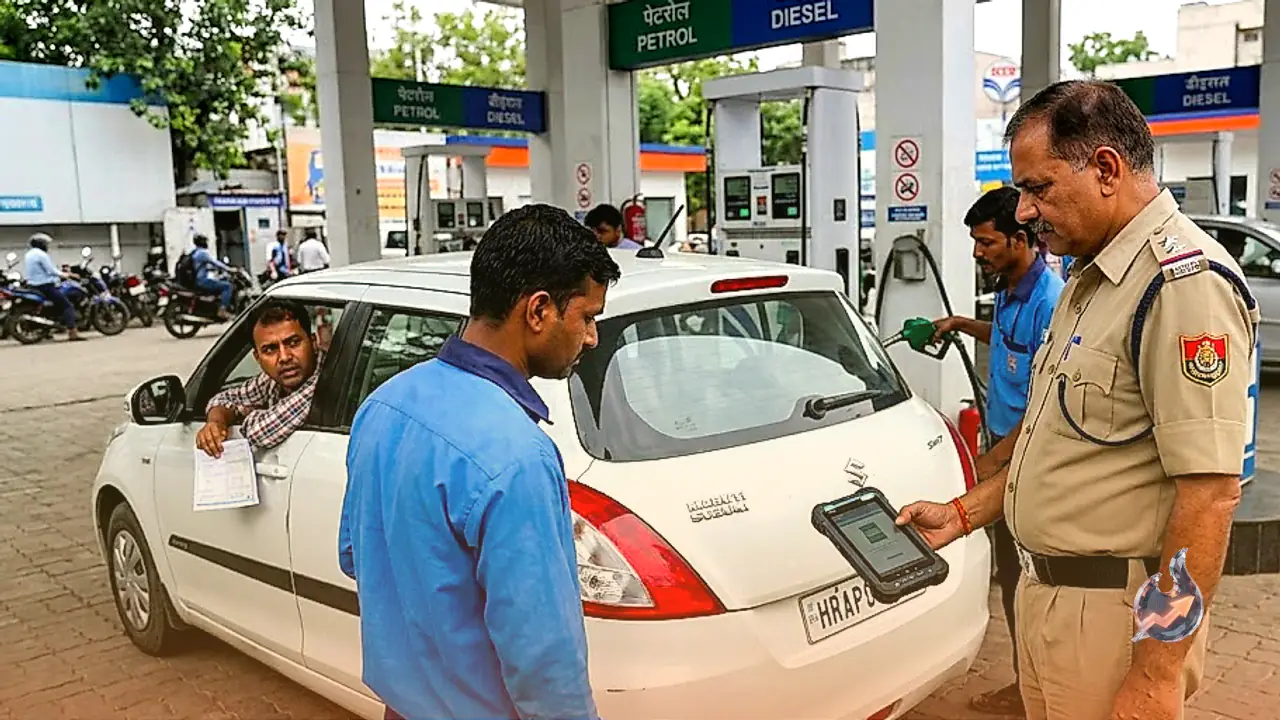
In a joint official statement, Indian Oil Corporation (IOCL), Bharat Petroleum Corporation Limited (BPCL), and Hindustan Petroleum Corporation Limited (HPCL) disclosed the findings of their comprehensive supply chain audit. The joint inspection spanned refineries, bulk distribution storage depots, and retail fuel stations. The oil marketing companies stated that rigorous testing revealed no evidence of moisture infiltration or chloride contamination anywhere in the distribution pipeline. Fuel quality was consistently verified to comply with defined regulatory parameters. Inspections of underground storage tanks across approximately 90,000 retail outlets nationwide yielded zero cases of water contamination or fuel adulteration, providing full assurance regarding the reliability of E-20 petrol.
Technical Breakdown of Chloride Levels and Daily Pump Audits
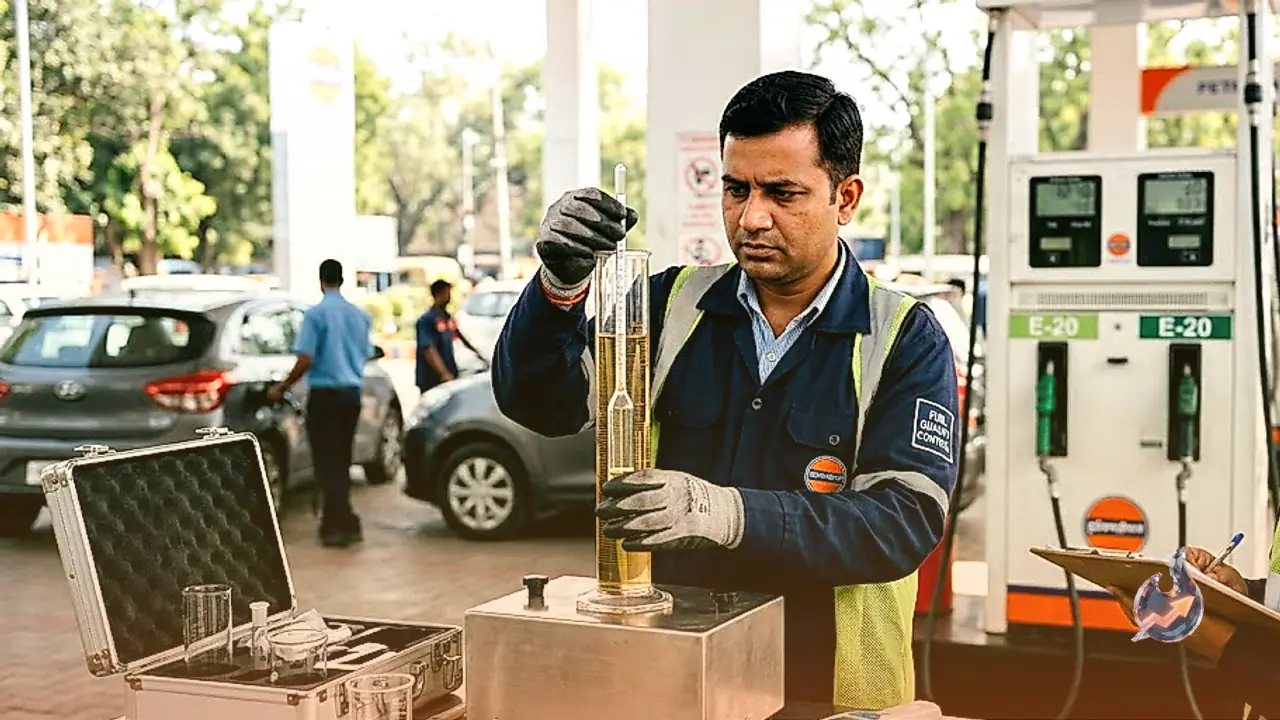
The joint report detailed stringent quality control protocols enforced from refineries to retail fuel outlets. Laboratory testing of more than 100 petrol samples collected nationwide showed chloride concentration levels at 1 ppm (parts per million) or below. Furthermore, samples gathered at distilleries and retail outlets recorded chloride levels strictly under 3 ppm. These empirical findings directly refute earlier reports alleging chloride presence of several hundred ppm. The unit ppm measures the proportion of a substance per one million parts of a mixture. To maintain strict oversight, retail fuel stations conduct water contamination and fuel density tests between 8 and 12 times daily. These routine station checks are complemented by unannounced audits conducted by mobile testing laboratories.
Response to Contamination Rumors and Official Consumer Assurance
During the nationwide monitoring exercise, only two isolated instances exhibited elevated readings. In both cases, oil companies took immediate corrective action by suspending fuel dispatch and initiating detailed technical investigations. The audit findings align with earlier clarifications by Petroleum Minister Hardeep Singh Puri, who affirmed that E-20 fuel is safe for vehicles and stated that reports claiming fuel degradation were exaggerated. Following the nationwide inspection of 90,000 pumps, the public sector oil companies appealed to consumers to continue utilizing E-20 petrol with complete trust and confidence.