



















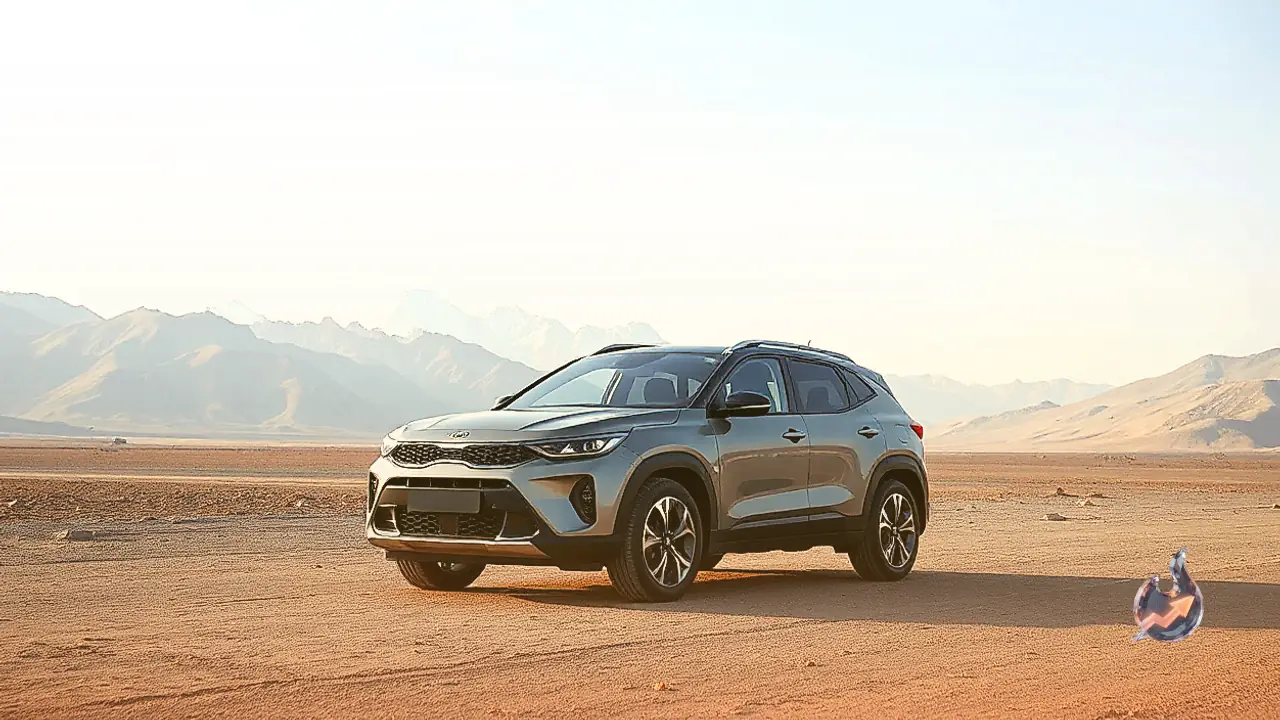

Kia India is actively developing a full generational transition for its popular subcompact SUV, the Sonet. A heavily camouflaged test mule of the next-generation Kia Sonet was recently captured undergoing rigorous high-altitude testing in the Himalayan terrain. Despite the extensive camouflage wraps, distinct revisions to its LED lighting layout and updated body panels were prominently visible. Unlike a routine mid-cycle refresh, this model represents a comprehensive generational overhaul engineered around a modern architectural foundation. Kia India intends to introduce this overhauled compact SUV to the Indian automotive market in 2027.
Shift to K1 Architecture and Front Styling Updates
The upcoming generation of the Sonet is expected to transition to the modern K1 vehicle platform. Adopting this underbody architecture is poised to deliver noticeable enhancements in structural rigidity, overall passenger safety performance, and interior packaging efficiency. Visual observations from the prototype reveal a completely redesigned split headlight arrangement. Under this contemporary format, the slim LED daytime running lights (DRLs) sit high along the bonnet shutline, while the primary headlamp units are positioned lower down on the bumper. The front profile features a clamshell-styled bonnet alongside an aggressively reprofiled front fascia influenced by the automaker's newest global design philosophy. Along the sides, the door panels feature reshaped, sharper character lines that impart a more angular silhouette.
Exterior Refinements, Rear Profile, and ADAS Tech
The exterior modifications extend substantially to the rear and peripheral equipment of the test vehicle. Around the back, the prototype showcases a redesigned tail lamp lighting signature that appears to steer away from the currently popular connected lightbar format. Positioned above the rear glass, the high-mount stop lamp is noticeably wider compared to the iteration on sale today. The test vehicle was also seen riding on redesigned alloy wheels, likely sized around 17 or 18 inches, flanked by updated outside rear-view mirrors. Advanced equipment spotted across the vehicle includes front and rear parking sensors, a 360-degree camera arrangement, and a dedicated windshield-mounted camera unit for an Advanced Driver Assistance System (ADAS). These sightings suggest that the vehicle is gearing up to receive Level-2 ADAS capabilities, strengthening its competitive stance against rivals such as the Brezza, Nexon, and Venue.
Interior Appointments and Engine Specifications
Inside the cabin, the upcoming Sonet is slated to gain substantial technology upgrades focused on comfort and connectivity. The dashboard is anticipated to house a dual 12.3-inch widescreen display assembly combining instrumentation and infotainment duties. Prospective cabin amenities include ventilated seating for both front and rear occupants, wireless Android Auto and Apple CarPlay integration, a wireless device charging pad, an electrically adjustable driver seat, next-generation telematics, and notably enhanced rear-seat legroom. Under the hood, the powertrain selection is expected to mirror the existing vehicle portfolio. Buyers can anticipate the retention of the 1.2-litre naturally aspirated petrol, the 1.0-litre turbocharged petrol, and the 1.5-litre turbocharged diesel engines. These powerplants will continue to be paired with diverse manual and automatic transmission options. With a market arrival projected for 2027, the next-generation SUV is likely to command a slight price increase over the existing model line.