

















With the arrival of the Chhath festival, an intense urgency to return home sweeps through metropolitan hubs such as Delhi, Mumbai, Pune, and Bengaluru. Railway terminals, inter-state bus hubs, and airport terminals across these regions witness an overwhelming influx of passengers attempting to travel toward Bihar and Purvanchal. Securing confirmed rail reservations becomes an almost insurmountable task, while airline fares on major routes climb steeply from baseline levels to exceed 40,000 rupees. Simultaneously, private bus operators capitalize on the surging crowd by raising passenger fares well above standard off-peak tariffs. This recurring phenomenon highlights structural bottlenecks in festival transit, leaving travelers with minimal transport options and little bargaining power during peak migration periods.
The Cultural Significance of Chhath and the Spike in Travel Demand
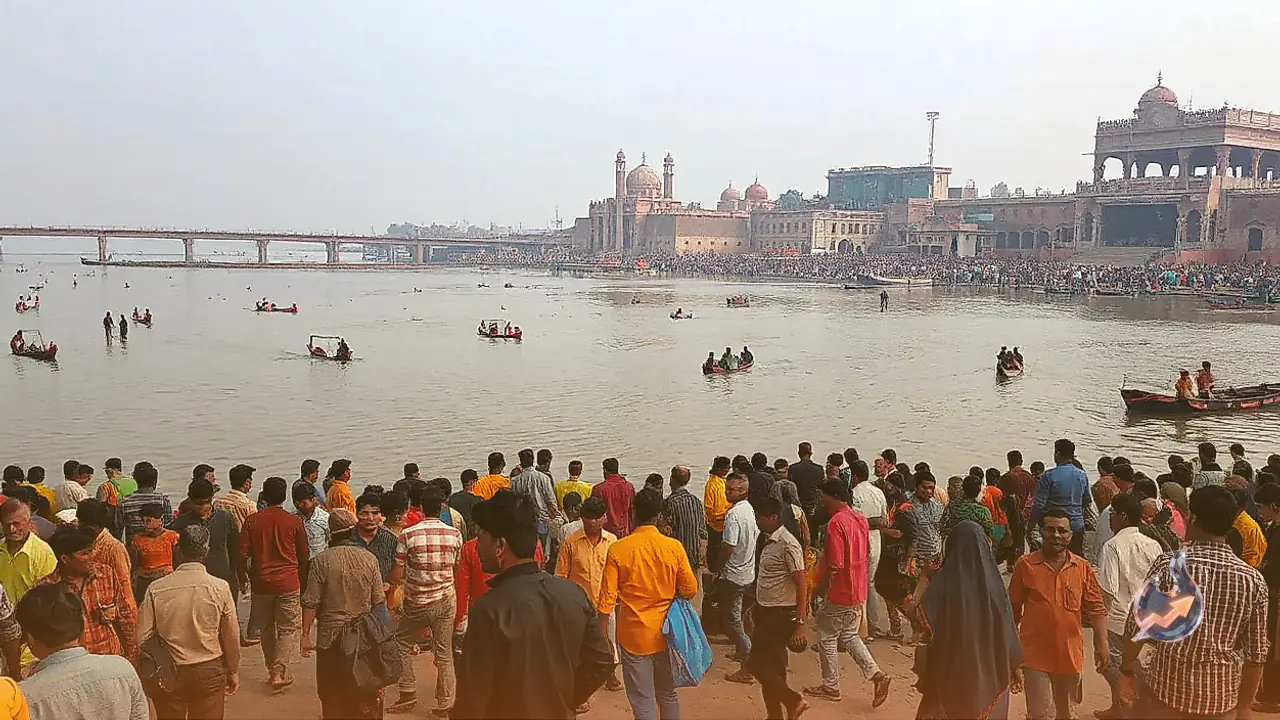
The primary driver behind this concentrated transport crisis lies in the unique cultural and familial prominence of Chhath for the populations of Bihar and eastern Uttar Pradesh. Sizable working communities from these states reside in commercial and manufacturing hubs like Delhi, Mumbai, Chennai, Bengaluru, Pune, and Ahmedabad. For these workers, Chhath represents far more than an ordinary holiday calendar entry; it serves as the most critical annual occasion to reunite with extended families in ancestral villages. For many individuals, this journey marks their final and most consequential visit home within a calendar year, as traditional customs strictly emphasize the collective presence of family members throughout the rituals. The festival spans four continuous days, beginning with Nahay-Khay and concluding with the morning offerings of Usha Arghya. Because the rituals require fixed physical presence on exact dates, transport demand spikes abruptly over a concentrated window. The capacity of scheduled trains, long-distance buses, and commercial flights cannot scale up at the same pace, allowing commercial transport operators to leverage the imbalance through dynamic pricing models that strain passenger budgets.
Severe Rail Waiting Lists and Operational Capacity Deployments
Leading rail services heading toward stations across Bihar quickly exhaust all available capacity, leaving ticketing systems showing regret status and preventing further bookings. Other regional trains accumulate exceptionally long waiting lists that offer little certainty of confirmation. The magnitude of this passenger surge was illustrated at Udhna railway station in Surat, where 37,698 tickets were purchased in a single day exclusively for trains bound for Jaynagar in Bihar. In an effort to absorb this massive commuter volume, railway administrative zones have introduced special temporary services. East Central Railway is operating 103 pairs of special trains to manage traffic heading into Bihar and nearby localities. Furthermore, South Central Railway has prepared roughly 400 special train trips throughout November, accompanied by additional dedicated services deployed from Delhi to clear passenger backlogs on northern corridors.
Aviation Fare Surges and Judicial Precedent on Dynamic Pricing
Confronted with saturated rail reservations, prospective travelers increasingly look to commercial aviation, only to encounter airfares that strain household finances. Fare listings recorded on MakeMyTrip for travel on November 13 indicated that the lowest available one-way fare from Delhi to Patna stood at 15,367 rupees, with top-tier seats on that route priced as high as 30,385 rupees. Departure points from other metropolitan cities reflected similar market pressures, with initial fares from Mumbai to Patna starting at 18,401 rupees, Pune to Patna listed at 14,247 rupees, and Bengaluru to Patna starting at 16,260 rupees. Travelers booking from Chennai to Patna encountered maximum ticket prices reaching 41,282 rupees, while the shorter flight path between Lucknow and Patna recorded peak fares of up to 44,625 rupees. These figures fluctuate continuously depending on the time of purchase and the rapid depletion of remaining seat inventories.
The issue of steep fare increases during prominent festive windows, including Diwali, Chhath, and Holi, previously reached the Supreme Court of India. A petition submitted to the court argued that festival airfares frequently escalate by as much as 700 percent, urging judicial intervention to enforce regulatory price ceilings. However, a three-judge bench declined to entertain the matter urgently, observing directly that travelers faced with high airline fares could choose not to fly. With that observation, the bench dismissed the petition, leaving dynamic aviation pricing under the discretion of prevailing market mechanisms.
Private Bus Fare Escalation and Inter-State Transit Interventions
Travelers relying on highway transit face similar financial friction, as private long-distance bus operators implement substantial price revisions compared to regular days. Commuters departing Delhi for regional destinations in Bihar and Purvanchal are compelled to pay elevated rates to secure seating on overnight sleeper buses. Because rail berths and airline seats remain either sold out or unaffordable, private road transit frequently becomes the sole remaining option for stranded passengers.
To mitigate these travel difficulties, the transport administrations of Delhi and Bihar jointly rolled out 77 inter-state buses operating from the Anand Vihar Bus Terminal to five key administrative divisions across Bihar. This public transit fleet includes 36 buses directed to Muzaffarpur and 13 dedicated to Patna. Furthermore, 12 buses serve Purnia, 10 operate toward Gaya, and 6 buses connect directly to Darbhanga. These long-distance vehicles offer varied configurations, featuring air-conditioned and non-air-conditioned layouts alongside seated and sleeper options. Passengers utilizing these state services are also provided fare concessions ranging between 134 rupees and 1,028 rupees depending on the chosen route and passenger category.
Why Chhath Creates Uniquely Severe Bottlenecks Compared to Other Festivals
While celebrations like Diwali and Holi generate significant national passenger movements, Chhath creates an acute bottleneck because passenger traffic flows almost exclusively along a single geographic corridor. Millions of domestic migrants simultaneously seek transport toward Bihar and neighboring eastern districts within a narrow timeframe of just a few days. This sharp, unidirectional concentration of passenger volumes overwhelms permanent transport infrastructure, producing steep price surges and severe capacity deficits across air, rail, and road networks.