






















With freezing weather gripping the northern hemisphere, thousands of rare avian species have undertaken grueling intercontinental journeys to seek refuge across northern India. Haridwar serves as the premier entry gateway in Uttarakhand for these feathered visitors. As sub-zero temperatures turn freshwater lakes and river basins across Siberia, Tibet, Central Asia, and northern Europe into solid sheets of ice, finding sustenance becomes an existential struggle. Driven by survival instincts, these birds chart long-distance aerial corridors toward warmer river plains offering accessible nourishment and temperate weather.
Bhimgoda Barrage Becomes a Thriving Winter Sanctuary
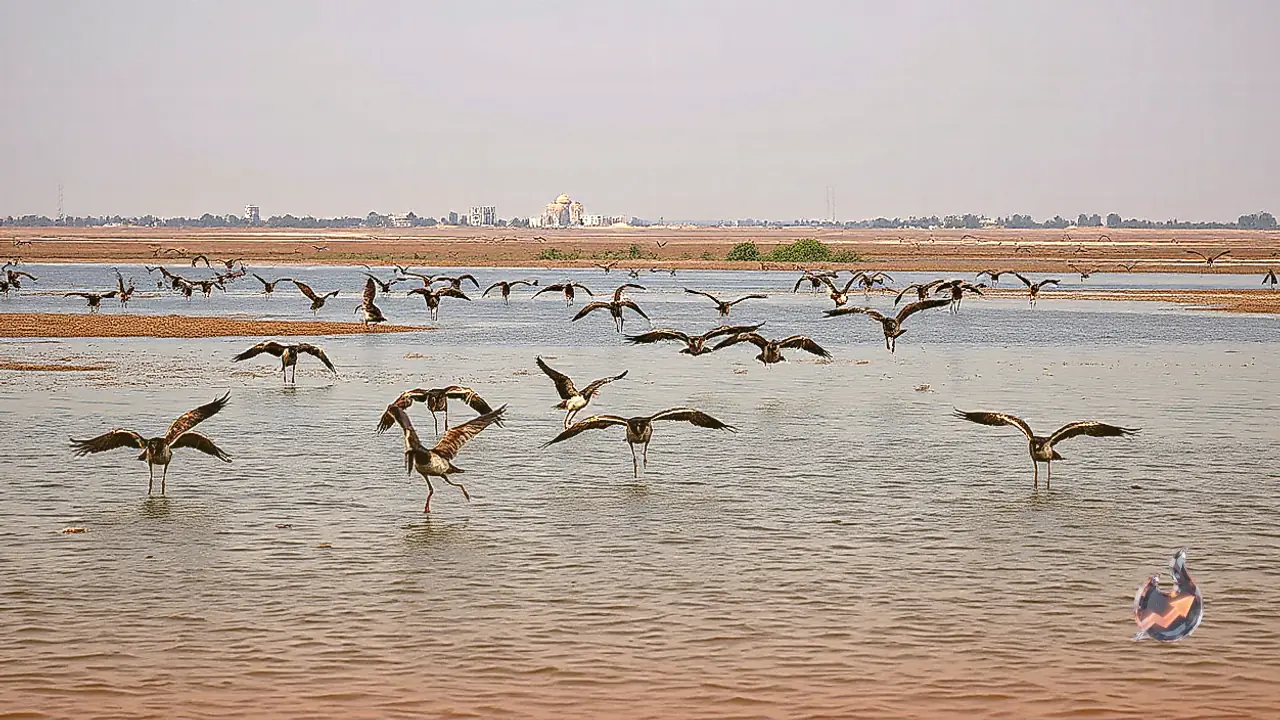
Upon entering the Himalayan foothills, flocks gravitate directly toward the tranquil expanses of the Ganges, with Haridwar's Bhimgoda Barrage emerging as their preferred destination. Every winter brings prominent sightings of Ruddy Shelduck locally called Surkhab, Bar-headed Goose, Common Pochard, Northern Pintail, and Tufted Duck. The expansive, serene waters of the barrage create an ideal haven where diverse waterfowl can rest securely away from harsh predators and turbulent river currents.
Extraordinary Feats of High-Altitude Navigation
The aerodynamic stamina displayed by these visiting flocks is astonishing. Species such as the Bar-headed Goose routinely surmount the towering crests of the Himalayas in an unbroken non-stop flight spanning thousands of kilometers. In contrast, other ducks like the Northern Shoveler, Gadwall, and Eurasian Wigeon adopt a phased itinerary, touching down at one or two intermediate wetland locations to recuperate. Smaller waterfowl, including the Common Teal and Great Cormorant, break their transcontinental journey across three to four distinct waterbodies to feed before finally touching down on Haridwar waters.
Abundant Feeding Grounds and Rising Visitor Interest
The river environment at Bhimgoda Barrage offers an ideal foraging habitat teeming with aquatic insects, submerged vegetation, and small fish that sustain the flock throughout the colder months. During early mornings and late afternoons, flocks diving and drifting across the gentle surface waters create a striking spectacle. This annual migration has transformed the riverbanks into an active hub for nature lovers, local residents, and wildlife photographers eager to record these rare species. After spending several restful months rebuilding strength in Haridwar, several bird flocks continue their journey toward wider river plains downstream.
Ecological Health and Long-Term Conservation Prospects
Seasonal weather transitions and sudden scarcity of open water remain the underlying catalysts behind this immense migration. Dr Vinay Sethi, nodal officer at the bird environmental awareness cell, explained that acute winter food shortages in northern regions force these birds onto traditional navigational flyways toward warmer Indian habitats. He noted that the geographical structure of Bhimgoda Barrage, marked by wide expanses and decelerated water flow as the Ganges exits the hills, creates a stable micro-habitat where birds feel completely secure. This annual assembly also underscores the healthy state of the local aquatic ecosystem. Researchers track and document bird numbers every season, noting that minimizing human disturbance around the barrage could attract even larger flocks of rare migratory waterfowl in coming years.