





















While countless young graduates aspire to build long careers inside air-conditioned corporate suites of multinational firms, Rahul chose to walk in the opposite direction. Stepping away from the conventional corporate ladder, he returned to his roots and turned agriculture into a full-time, rewarding venture. Over the past four years, he has systematically cultivated a compact three-acre landholding through diverse mixed farming practices, generating a consistent yearly revenue ranging between 3 and 4 lakh rupees.
Finding Direction Through Practical Family Guidance
The turning point in Rahul's journey came from watching his maternal uncle manage agricultural land. His uncle regularly introduced innovative methods to cultivation and demonstrated that farming could yield lucrative financial returns when approached methodically. Drawing wisdom from both his father and his uncle, Rahul developed a serious interest in the possibilities of modern agriculture. Instead of making an impulsive exit, he took time to study the ground realities and technical aspects of farming before bidding farewell to his corporate employer. Backed by his family's blessings and inspired by his uncle's progress, he launched his agricultural enterprise in his village.
Blending Digital Tools With Scientific Expertise
To ensure his venture remained competitive, Rahul treated modern information as his most crucial farming asset. He actively tracks cutting-edge agricultural techniques through social media platforms, transforming digital channels into learning hubs. Simultaneously, he stays in close coordination with agricultural scientists to understand soil care, crop protection schedules, yield optimization methods, and modern cultivation tools. By relying directly on scientific advisory rather than guesswork, he has managed to maintain consistent productivity across every crop cycle.
Managing 6 Diverse Crops Alongside Fresh Vegetables
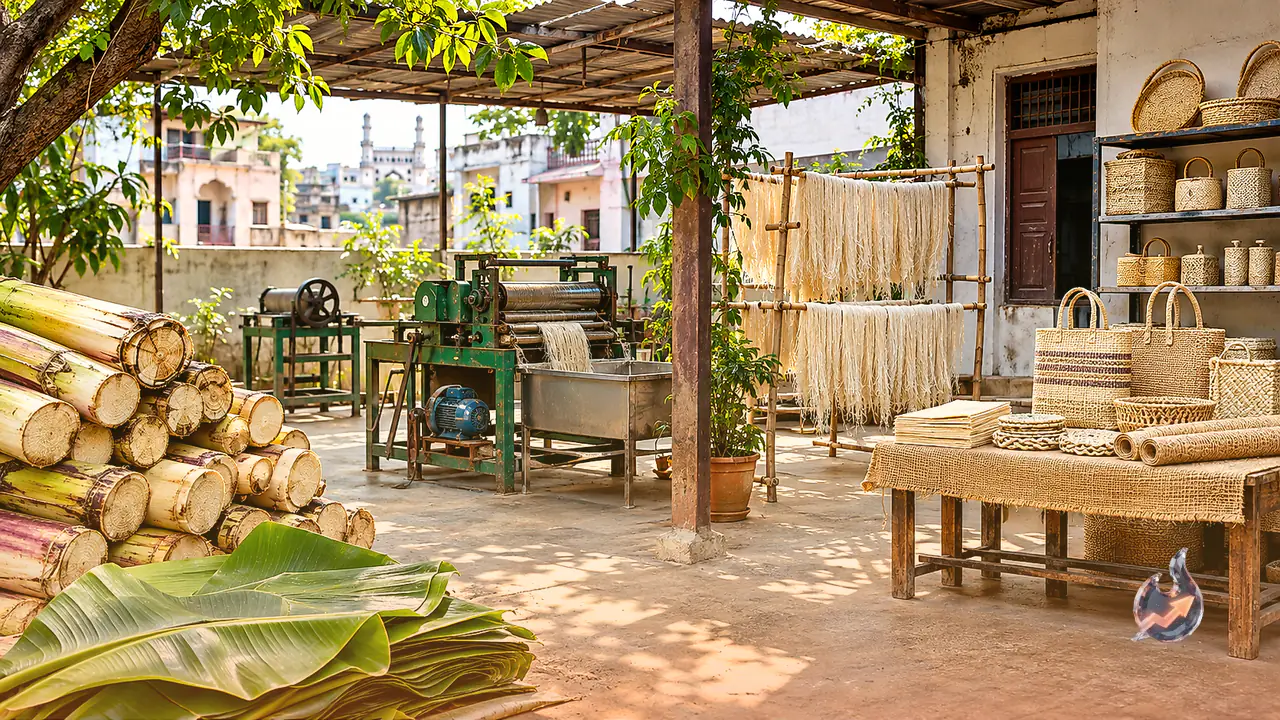
Rahul's three-acre plot serves as a practical demonstration of risk distribution through intensive crop diversification. His production basket includes six major crops: banana, cotton, sugarcane, maize, chickpea, and soybean. Alongside these staple and cash crops, he cultivates a broad variety of seasonal vegetables across different patches of his land. The central logic behind this polyculture setup is economic resilience. By moving away from single-crop dependence, he shields his farm against sudden weather shocks and volatile market price collapses, ensuring that revenue continues to flow into his household throughout the year.
Creating Local Employment and Expanding Vision
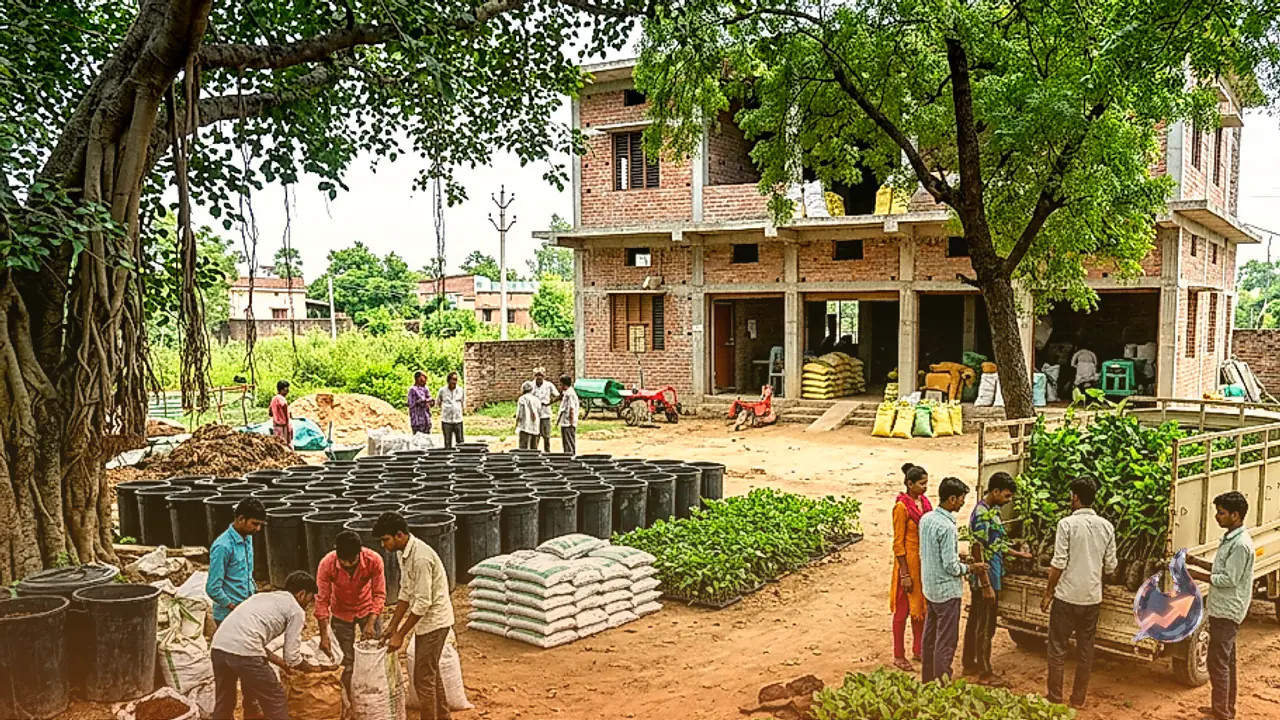
Beyond personal income generation, Rahul's farming operation has created direct economic value for his village community. His daily agricultural activities currently provide steady employment to 4 to 5 individuals. Looking forward, he plans to expand his operational scale so he can offer jobs to an even larger number of rural workers. Rahul maintains that when modern youth combine contemporary technology, scientific insight, and structured mentorship, agriculture transforms into a robust, sustainable, and highly profitable business enterprise.