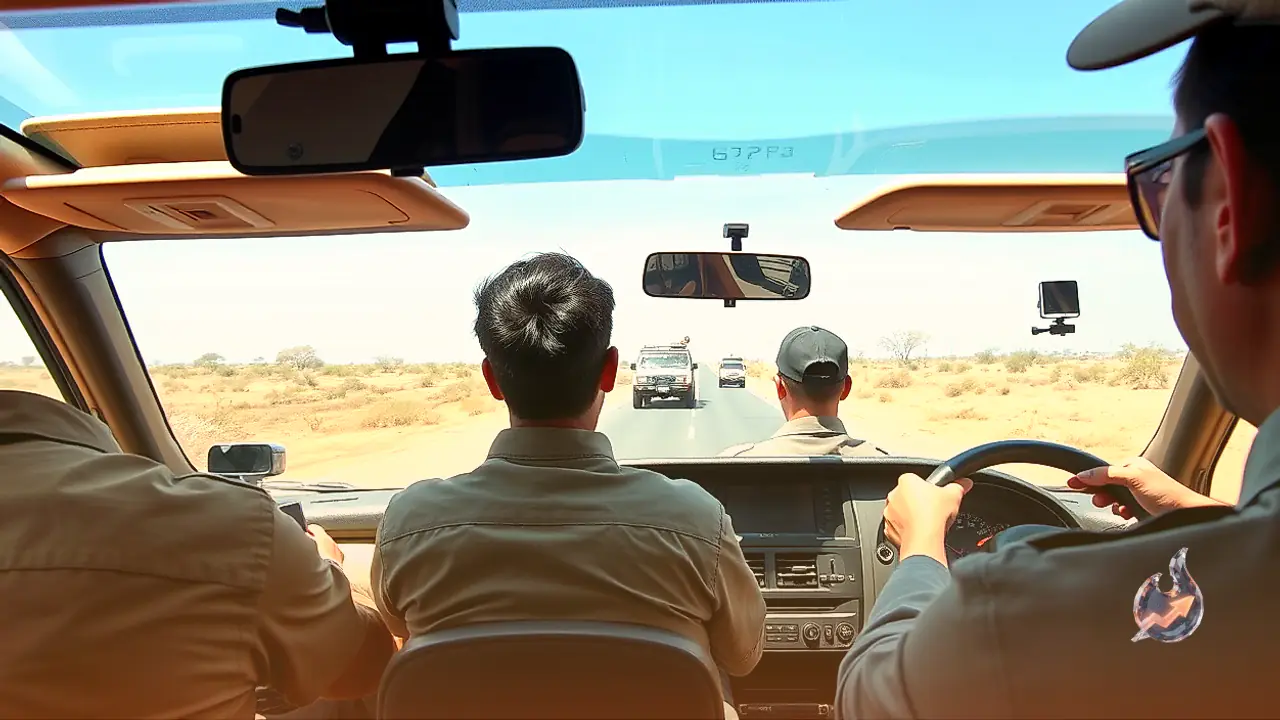

Authorities in Pali have rolled out a comprehensive set of stringent regulations governing tourist safari vehicles operating across the renowned Jawai landscape. Aiming to establish total operational transparency and safeguard local wildlife, the administration has made it strictly mandatory for every safari vehicle to be fitted with an approved GPS tracker and an active dashboard camera. Alongside these surveillance upgrades, vehicle operators will be issued designated unique identification tags, and every safari driver will be subjected to rigorous background checks. Any failure to adhere to the revised directives will directly invite cancellation of vehicle registration alongside stern administrative action.
Measures Rooted in High Court Directives
These regulatory mandates have been implemented in alignment with the ruling issued by the High Court Jodhpur in DB Civil Writ Petition No. 5128/2026, which emphasized environmental preservation and wildlife safety. Translating this judicial decree into concrete ground rules, the Jawai Management Committee convened an important review session on October 8 under the chairmanship of Additional Collector Shailendra Singh. The committee resolved that the unrestricted and unregulated plying of safari jeeps in ecologically sensitive zones must be brought under strict technological oversight to prevent disturbances to wildlife habitats.
Dedicated Camp at Sumerpur DTO Office from October 15 to 30
To assist operators with these new compliances, District Transport Officer Anoop Choudhary confirmed that a specialized administrative camp is being organized at the district transport office located in Sumerpur from October 15 to October 30. During this operational window, safari Gypsy owners will be able to install subsidized GPS and VLTD units directly onto their vehicles. The transport authorities will simultaneously conduct thorough mechanical fitness inspections, allocate official unique identification numbers, and distribute authorized driver ID cards to validated personnel.
Commercial Licensing, Insurance, and Structural Standards
Under the revised protocol, all vehicles engaged in safari activities must carry official registration under the commercial category at the transport office. A valid fitness certificate alongside comprehensive commercial or third-party vehicle insurance remains non-negotiable. Furthermore, operators must secure a distinct unique identification credential from the nodal authority, which will require mandatory annual renewal. Scheduled servicing must be performed through authorized service centers, and vehicle structures must feature an open-top format or appropriate modifications designed specifically for safe wildlife viewing.
Compulsory Verification of Drivers and Vehicle Owners
Prior to granting official operating clearances, the authorities will conduct detailed background verification for all safari operators and vehicle owners. This screening process entails comprehensive police verification, scrutinizing past involvement in wildlife offenses or other serious criminal cases, and reviewing previous records of severe regulatory non-compliance. By enforcing these checks, the administration seeks to ensure that only vetted professionals operate inside this ecologically sensitive terrain.