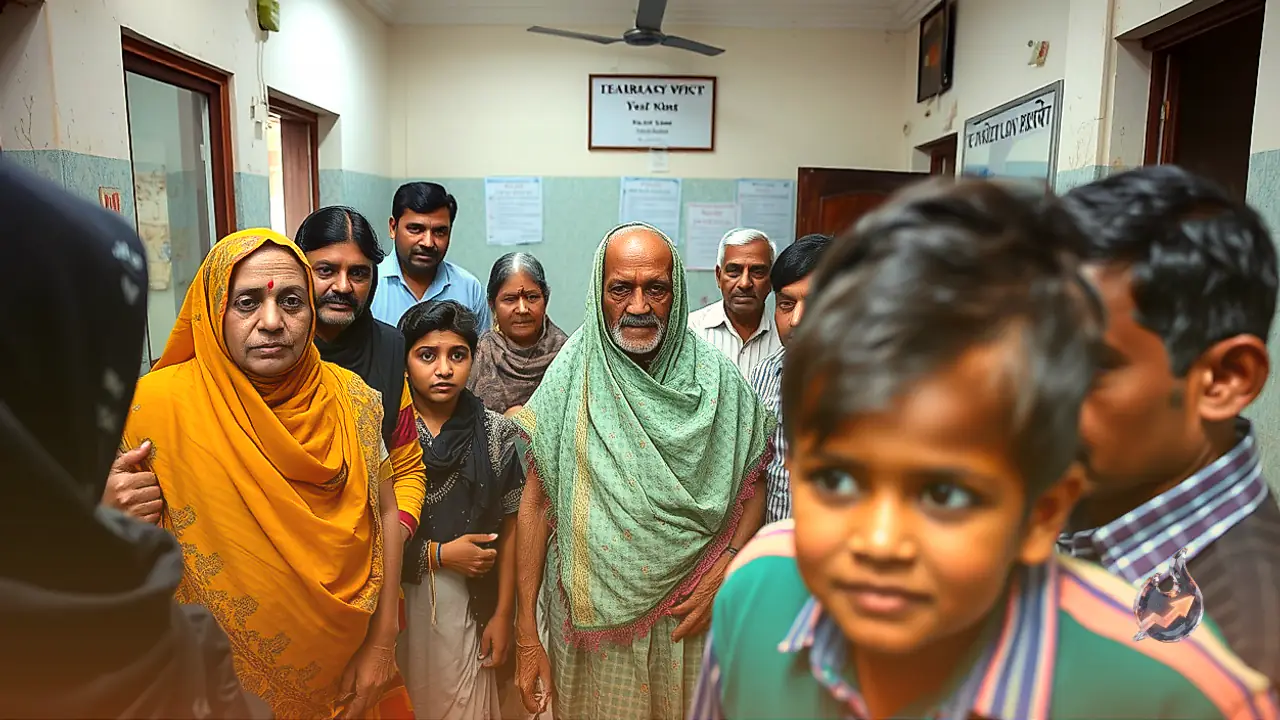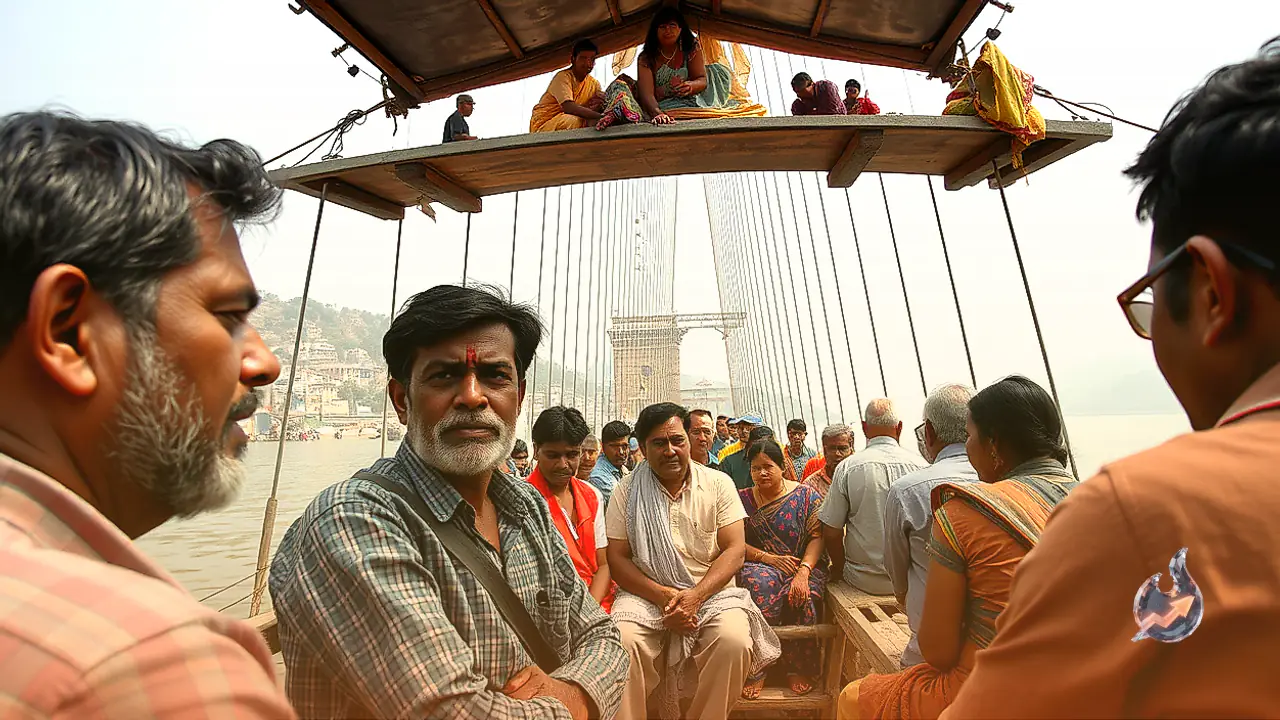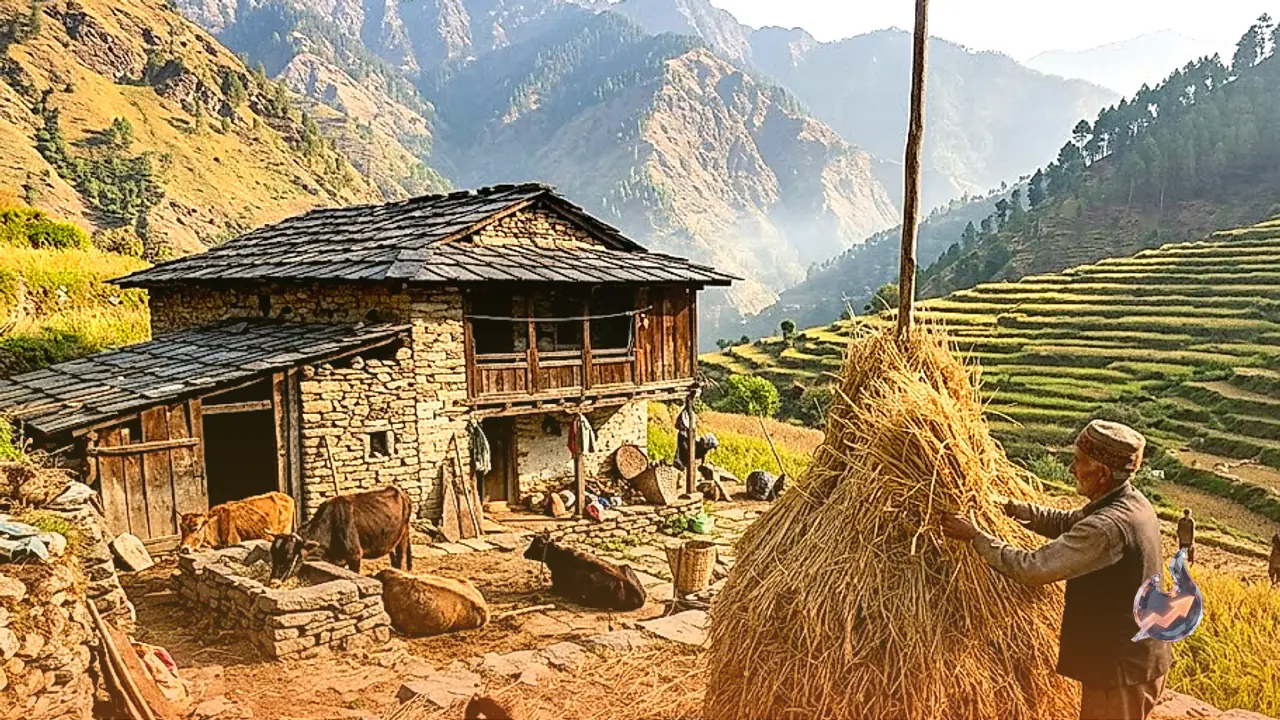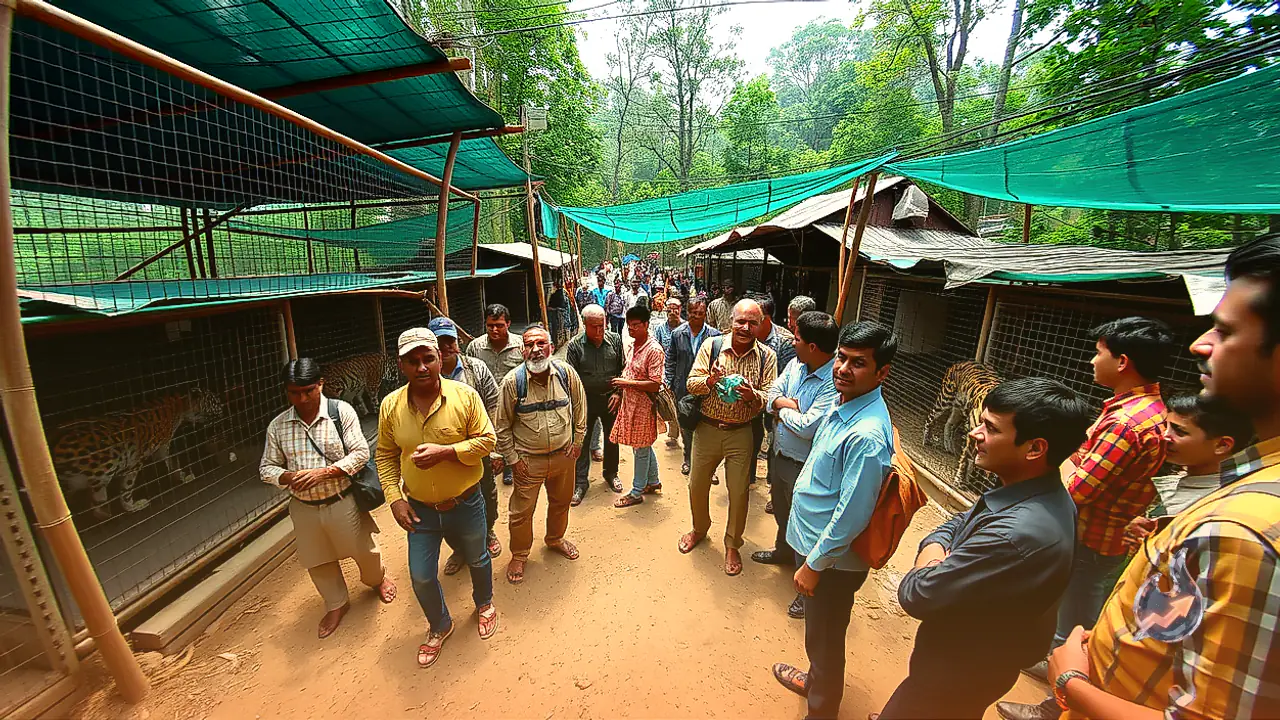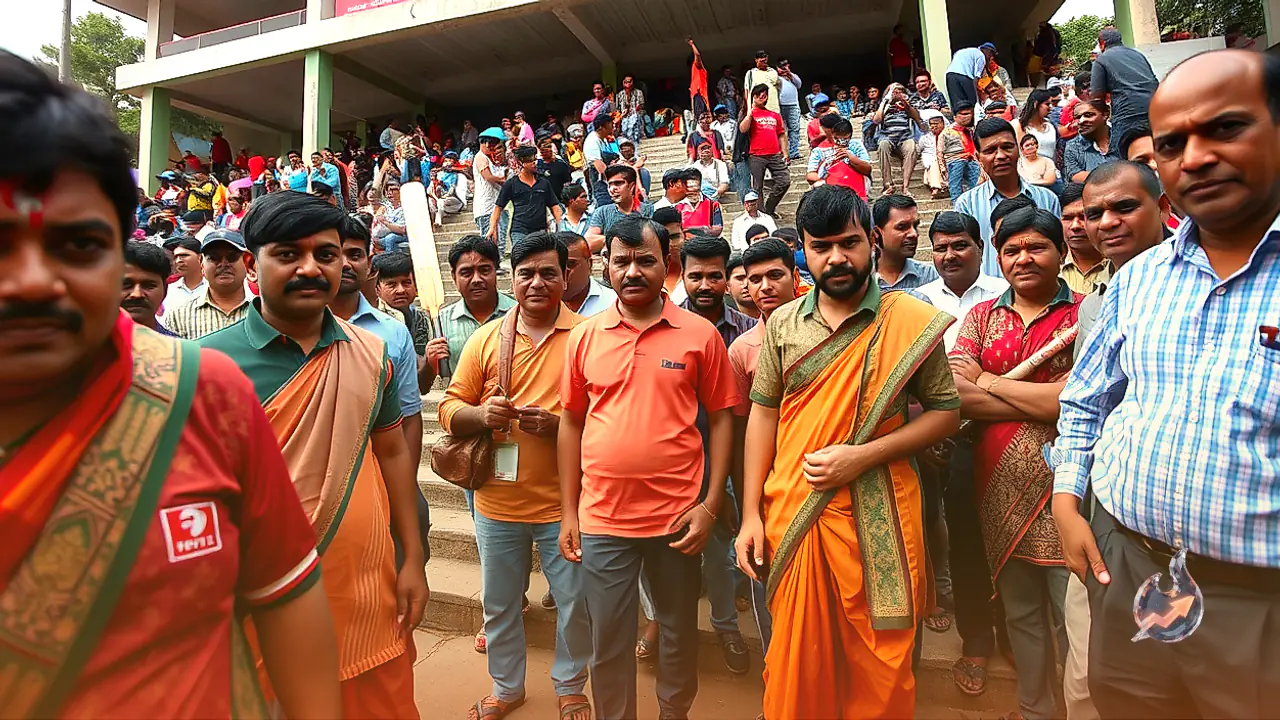


















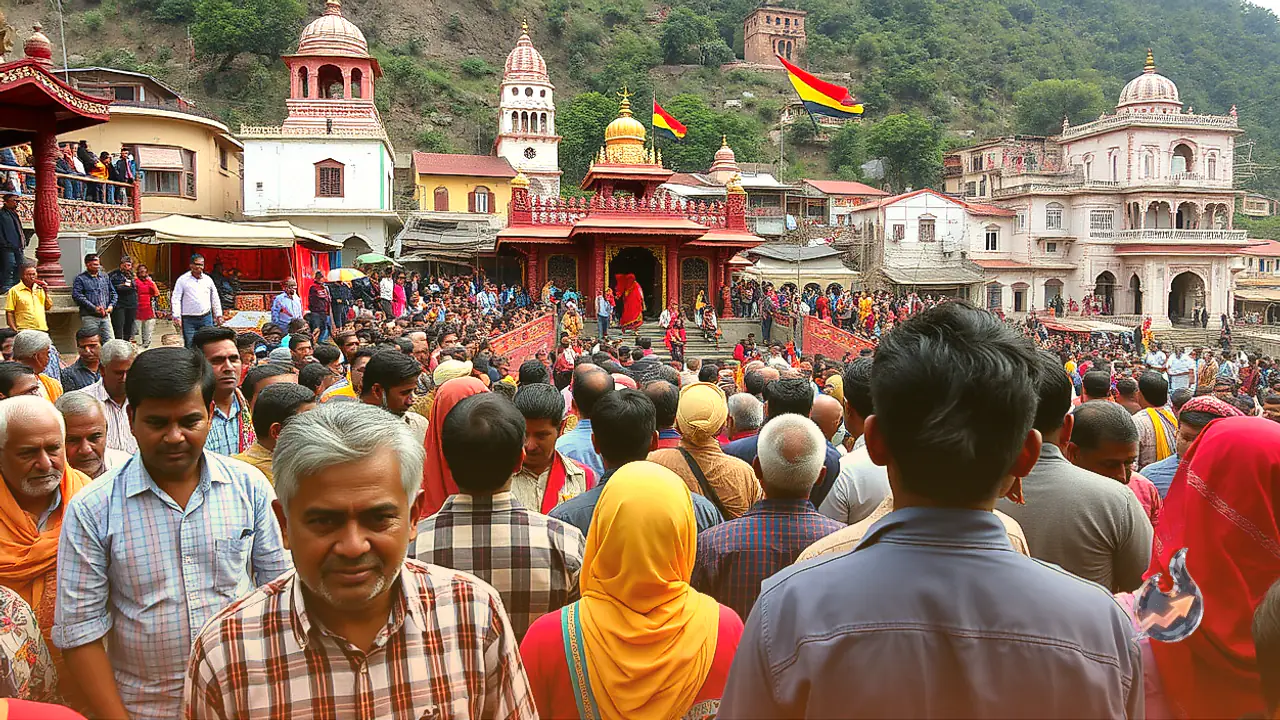

Nainital, the renowned lake town of Uttarakhand, is celebrated worldwide for its picturesque hills and tranquil waters, yet its cultural heritage holds an equally commanding place in history. Central to this living tradition is the town's historic Ramlila, an annual theatrical presentation dating back roughly 129 years. More than a sacred religious pageant, this century-old tradition evolved into a vital crossroads of dramatic art, social reforms, anti-colonial nationalism, and deep communal harmony. Blending the theatrical stylings of Parsi stagecraft, folk nautanki, and regional Kumaoni music, it long served as an instrument of social awakening alongside festive entertainment.
The Humble Origins and Spread Across the Hills
The documented history of Ramlila staging in Nainital traces its beginnings to the year 1897 in the settlement of Veer Bhatti. Over the following decades, the tradition steadily expanded its footprint across the growing township. In 1907, performances commenced at Tallital, followed by the establishment of the tradition at Mallital in 1918. Through these expansions, the performance embedded itself as an indispensable hallmark of the town's collective civic identity.
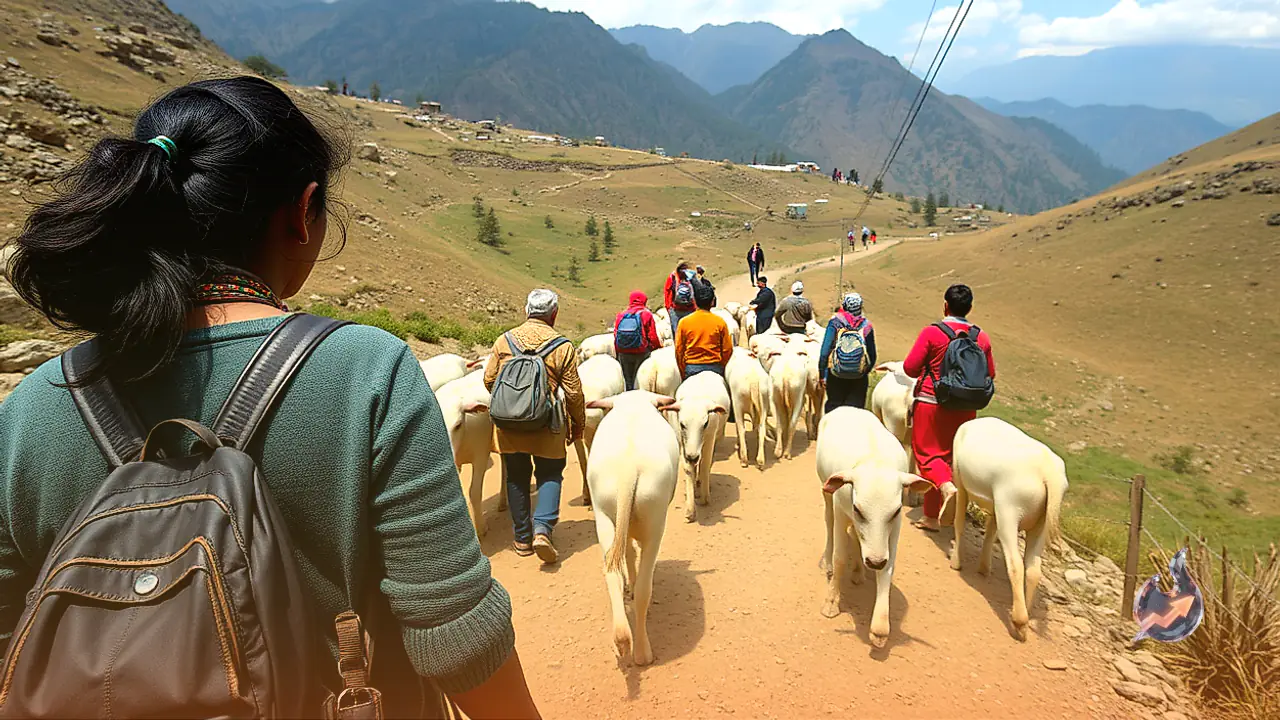
Historian Professor Ajay Rawat points out that traveling to Nainital and traversing the rugged surrounding mountain terrain was extraordinarily difficult during that era. Highlighting that the Nainital-Haldwani motor road was constructed only in 1915, he explains that visitors and devotees previously relied on bullock carts to journey toward Nainital. Many undertook strenuous pedestrian treks on foot from Jeolikote all the way to Veer Bhatti just to witness the staging. In an era marked by geographic isolation and hardship, the multi-day festival offered local communities an essential occasion for shared religious devotion and broad civic camaraderie.
Parsi Theatrical Influences and Social Critique
A distinguishing hallmark of Nainital's historic Ramlila was its dramatic presentation style, which drew heavy inspiration from the era's influential Parsi theatre. The productions relied on grand, resonant dialogue delivery, disciplined acting techniques, and elaborate stagecraft to animate the epic narrative of Lord Rama for hill audiences. To keep spectators engaged and reflective, organizers introduced interludes featuring nautanki acts and short theatrical sketches during performance breaks.
Local performers used these topical skits to confront deep-seated societal orthodoxies, superstitions, and social vices directly before an attentive public. By embedding progressive social messages within the celebratory framework of a sacred festival, the Ramlila stage transcended ritual performance to become an energetic engine for reform, artistic expression, and progressive community dialogue.
A Shining Model of Hindu-Muslim Fraternity
Throughout its history, the theatrical celebration served as an exceptional example of interfaith solidarity. Professor Ajay Rawat notes that several Muslim actors played foundational roles in the productions over the decades. Among these performers, an actor named Khudabaksh earned legendary acclaim, drawing massive crowds of admirers from both the core town and distant rural mountain hamlets.
According to Professor Rawat, tragedy struck Khudabaksh roughly two weeks prior to an upcoming staging when his daughter and son-in-law passed away. Despite profound grief, he arrived punctually for rehearsal and training sessions. Concerned townspeople and organizers urged him to step aside from performing to grieve his personal loss, but an emotional Khudabaksh declined. He maintained that patrons traveled long distances specifically expecting to see his performance, and leaving the stage dark in his absence would deeply disappoint the gathered audience. The incident underscored that his dedication was not mere dramatic employment, but a heartfelt commitment rooted in shared culture and mutual community trust.
Resisting British Rule and the Legacy of the Ustaads
The Ramlila stage also aligned itself directly with India's anti-colonial freedom movement. Professor Ajay Rawat explains that during the 1929 Salt Satyagraha campaign, performers utilized pauses between primary epic scenes to mount short, subversive dramas. These timely performances communicated messages of national resistance, fostered anti-colonial patriotic sentiment, and critiqued social evils in direct defiance of the British administration.
Refining these ambitious artistic productions required high-level mentorship. Ustaad Amanat Hussain, who arrived in Nainital alongside the Nawab of Rampur, provided comprehensive theatrical training and voice modulation instruction to local mountain artists. Similarly, Muslim musicians such as Akbar Hussain made indelible contributions, particularly in teaching and integrating the traditional regional Chanchar musical tunes that gave the hill staging its distinct sonic identity. Traversing nearly 129 years of social and political evolution, Nainital's Ramlila has adapted to changing modern times while preserving its core legacy. The enduring festival remains living proof that performance art can bridge faiths and unite diverse communities behind shared heritage and human values.