













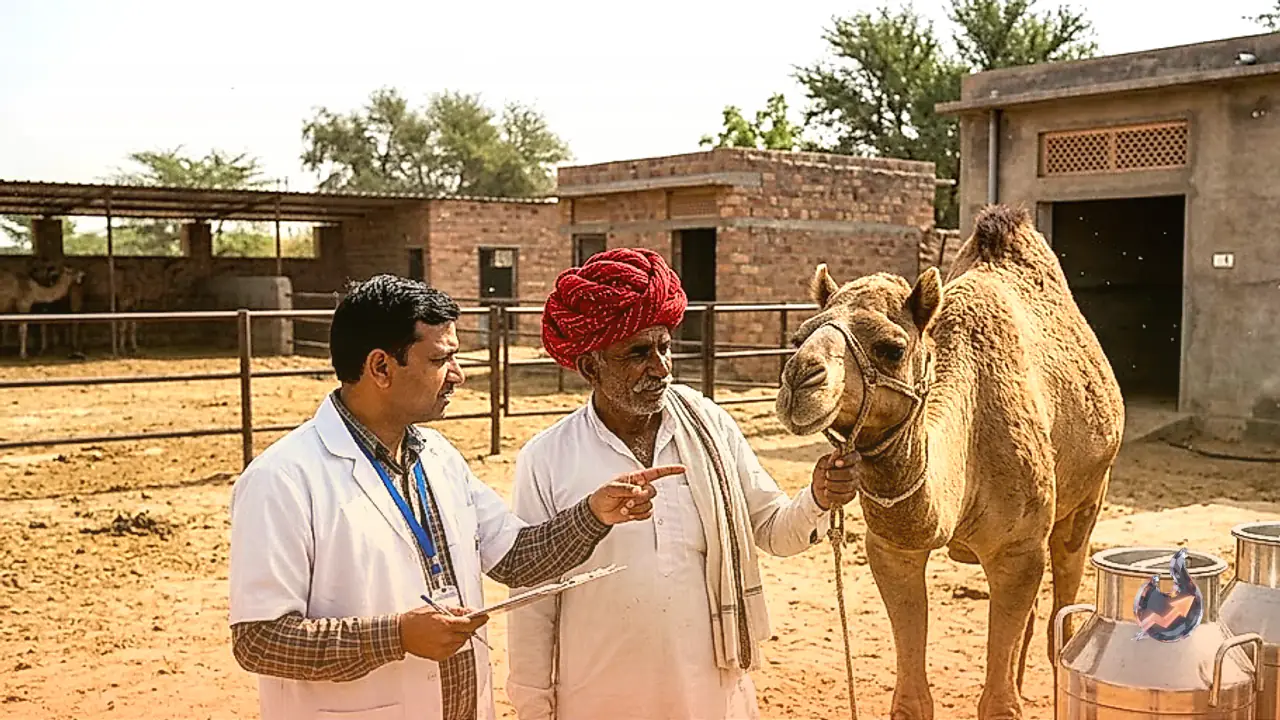

Scientific expertise is stepping in to reverse the shrinking presence of the camel across desert landscapes while transforming traditional herds into a dependable commercial enterprise. Addressing the steep decline in the population of Rajasthan's state animal, the Agriculture University, Jodhpur has entered into a memorandum of understanding with the National Research Centre on Camel, Bikaner, an Indian Council of Agricultural Research body. The partnership focuses on field research, herd welfare, genetic upgrading, and strengthening livestock husbandry across arid regions.
Sustaining an Ecological Anchor in the Thar
In western Rajasthan, camels represent far more than draft animals or conventional livestock. They form an irreplaceable pillar of rural tradition, desert heritage, and village livelihoods. The continuous depletion of herds has raised alarm bells for pastoral communities, desert ecosystems, and age-old pastoralist practices. Reversing this downward trend demands coordinated interventions where laboratory insights translate into direct assistance for pastoral households who have tended these herds for generations.
Commercializing Camel Milk as a Source of Steady Revenue
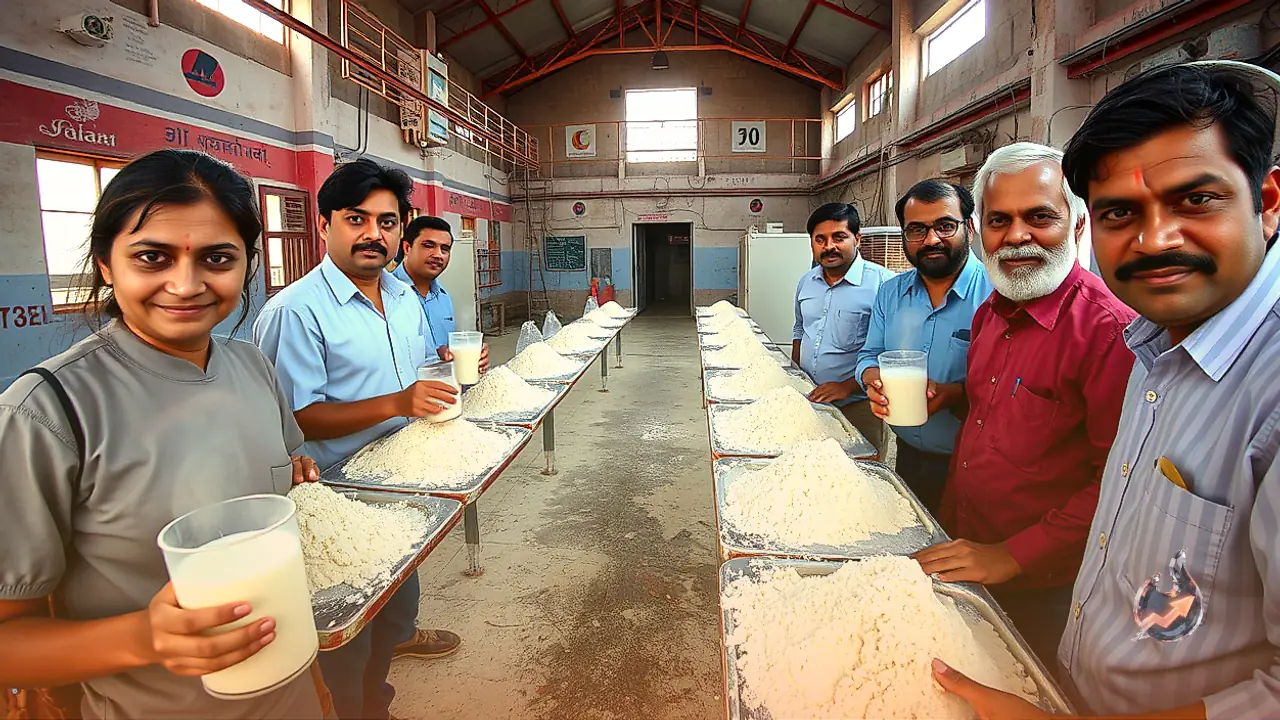
A central pillar of the joint roadmap involves converting camel milk into high-value dairy commodities. Highlighting the therapeutic qualities of the produce, Dr. A.K. Poonia, director of the National Research Centre on Camel, referred to camel milk as a "mobile pharmacy" and called for its commercial use and marketing to be actively encouraged.
Currently, pastoralists struggle with inadequate milk preservation, limited processing facilities, and poor logistics to reach affluent urban consumers. Developing diverse value-added products and building structured supply chains can open fresh income channels for rural rearers. Both research establishments plan to concentrate on processing technologies, product development, and market linkages so that keeping camels becomes an economically rewarding enterprise once again.
Bridging University Classrooms and Field Herds
The institutional alliance also intends to channel academic rigor directly toward ground-level pastoral challenges. Expressing serious concern over dropping numbers, Prof. Virendra Singh Jaitawat, vice chancellor of the Agriculture University, Jodhpur, emphasized that safeguarding the animal requires robust efforts on a scientific level. He noted that livestock and agriculture remain intrinsically intertwined within fragile desert ecologies.
Through collaborative projects, university students and scholars will investigate herd healthcare, selective breeding, reproductive efficiency, and feeding management. Merging modern veterinary knowledge with the instinctive wisdom of desert herdsmen will equip rearers with superior livestock handling techniques, ensuring sustainable animal welfare alongside enhanced yields.
Strengthening the Broader Conservation Push
During the event, Dr. H.S. Jat, director of the Central Arid Zone Research Institute, Jodhpur, urged all agricultural and veterinary bodies to work collectively to reinforce the broader campaign to save camels. He underscored the urgency of scaling up preservation initiatives across all arid districts.
The formal exchange of agreement papers was carried out by Vice Chancellor Prof. Virendra Singh Jaitawat and Director Dr. A.K. Poonia. Senior scientist Dr. Pradeep Pagaria outlined the strategic targets and roadmap of the agreement, while principal scientist Dr. Rakesh Ranjan detailed ongoing technological developments and research initiatives underway at the Bikaner facility.