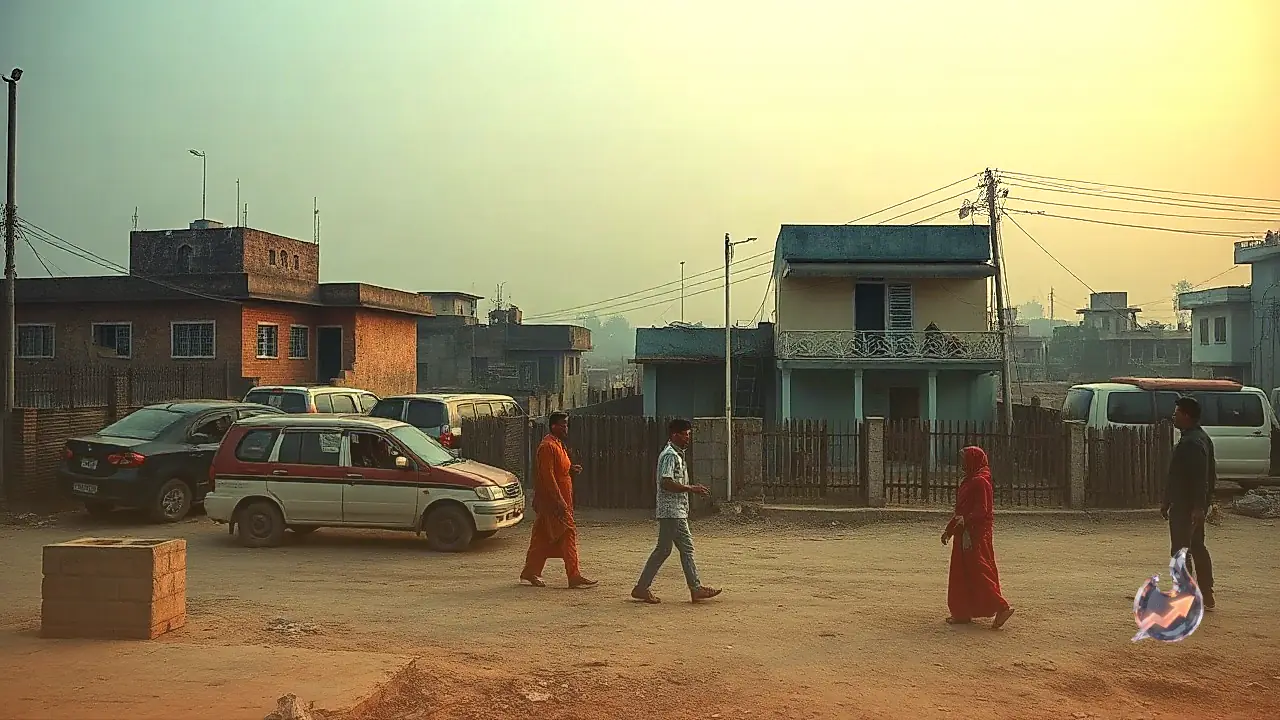
















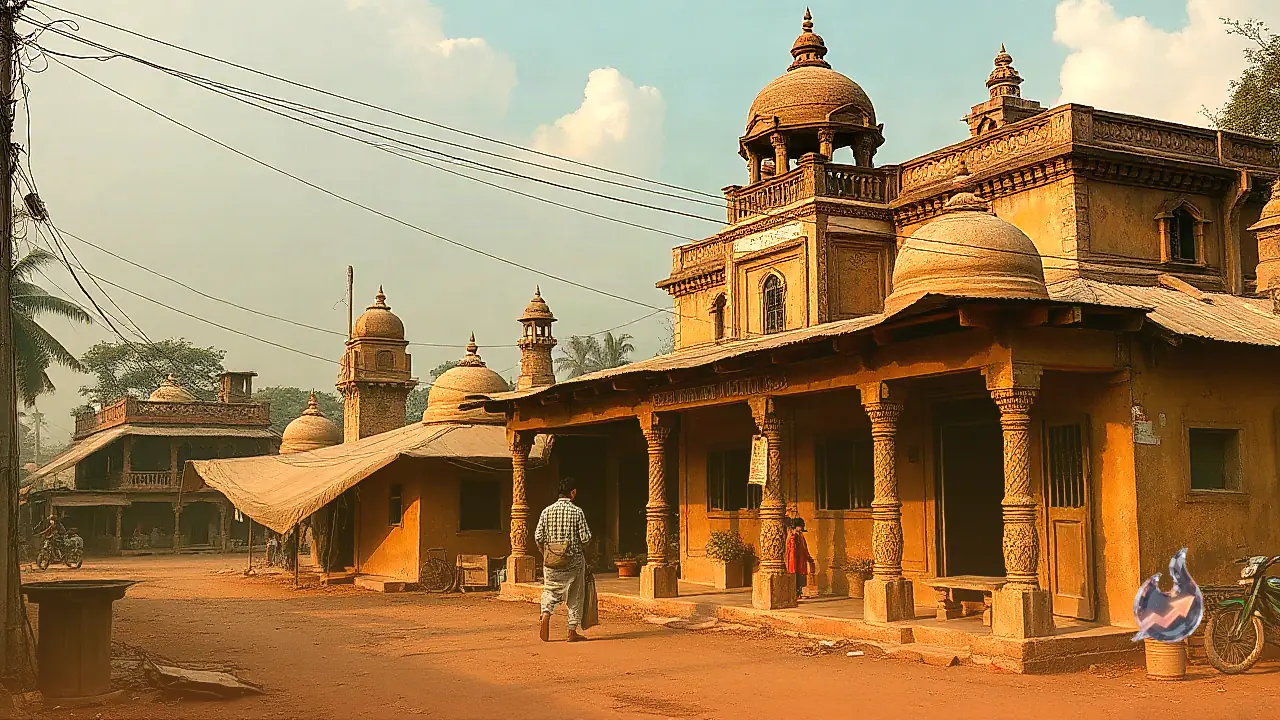

Mansoorchak village, located in the Begusarai district of Bihar, holds a prominent reputation across the country as the 'Statue Village' due to its living tradition of exquisite idol making. Rooted in historical legacy dating back to the Pal dynasty, this traditional hub of craftsmanship currently faces acute administrative apathy and neglect. Despite sustaining an ancient heritage, hundreds of local artisans remain excluded from the benefits of the Union government's flagship PM Vishwakarma Scheme. Even after filling out application forms and participating in administrative photography sessions a year ago, the sculptors have received no financial or technical support.
Centuries-Old Pal Era Heritage and Rs 70 Lakh Seasonal Turnover
The practice of sculpture in Mansoorchak is not a recent commercial venture but an ancestral art form originating during the Pal period. At present, nearly 200 families in the village dedicate themselves throughout the year to handcrafting intricate clay idols and artistic sculptures. The creations crafted by these skilled artisans are dispatched not only across various districts of Bihar but also reach markets in several other Indian states.
From an economic standpoint, the village generates approximately Rs 70 lakh in revenue during a single peak festival season through idol sales. Despite such substantial commercial output and nationwide artistic recognition, the village continues to lack modern tools, dedicated infrastructure, and formal state assistance.
No Benefits Under PM Vishwakarma Scheme Despite Completed Applications
For months, traditional sculptors in the village have eagerly anticipated support under the PM Vishwakarma Scheme, envisioned by Prime Minister Narendra Modi to empower heritage craftspeople. Local sculptor Deepak Pandit explained that official personnel facilitated the submission of their application forms nearly a year ago. Artisans were assured that the scheme would grant them direct financial aid, modern equipment, and formal skill development to scale their businesses.
However, following the initial paperwork, no official returned to assess ground realities or implement the promised measures. When concerned villagers subsequently visited the local block development office to inquire about their application status, officials turned them away without providing concrete answers. Complex bureaucratic procedures and a lack of official guidance have effectively blocked genuine artisans from accessing scheme benefits.
Photographs Taken but Scheme Claims Denied
Highlighting the superficial execution of government outreach, young sculptors Manish Kumar Pandit and Rahul Kumar shared that administrative personnel visited the village solely to complete paperwork and capture photographs. After collecting documents and photos, the officials departed without briefing the community on subsequent procedural steps or approval timelines.
When artisans later approached the concerned department for updates, administrative officers explicitly refused to extend scheme benefits. Rahul Kumar emphasized that the government must communicate scheme guidelines and eligibility requirements in simple, accessible terms so rural craftspeople understand the precise steps needed to secure assistance. Furthermore, villagers expressed resentment toward elected local representatives and MLAs who made grand campaign promises but abandoned the community post-elections.
Demands for BDO to DM Level Inquiry and Fresh Beneficiary Verification
Addressing administrative indifference, sculptor Upendra Paswan alongside other village artisans called for a comprehensive inquiry into procedural delays. The sculptors demanded that accountability be established across administrative tiers, spanning from the Block Development Officer (BDO) to the District Magistrate (DM). They urged authorities to draw up a fresh, transparent list of eligible artisans to guarantee that genuine sculptors receive scheme entitlements.
Local craftspeople maintain that with timely government support, including skill upgrading, affordable credit, financial subsidies, and modern toolkits, this traditional craft can transform into a flourishing cottage industry. The community now awaits concrete intervention from district authorities to rescue the 'Statue Village' from administrative limbo.