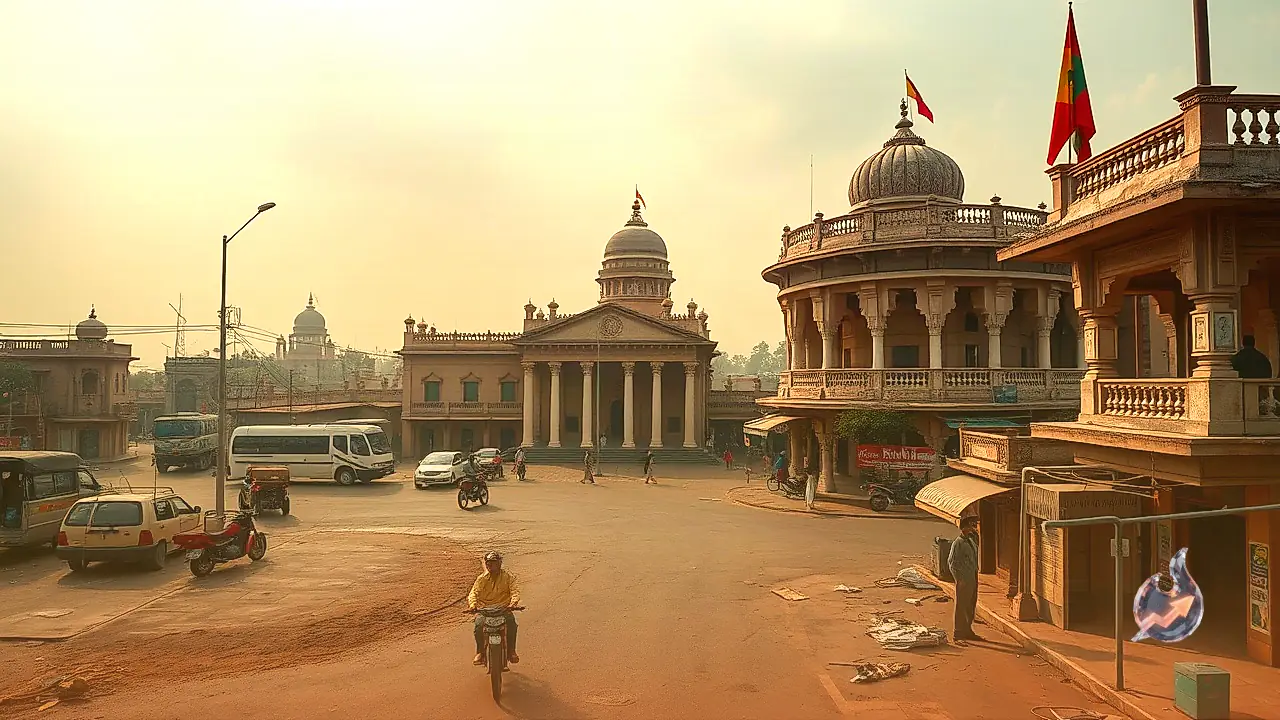





















The Rajasthan state government has initiated a comprehensive project to preserve historical heritage sites and accelerate regional tourism development. As part of this initiative, the Department of Archaeology and Museums has sought detailed reports on historical forts, palaces, and stepwells from all seven administrative divisions of the state. Under the proposed policy, private entities, non-governmental organizations, and corporate bodies will be entrusted with the adoption, maintenance, and long-term upkeep of these heritage structures. Amid this state-wide effort, demands are intensifying in Kuchaman City to include the famous Jaav Ki Bawari under the official heritage preservation program. Hopes among local residents have soared, especially given that Prime Minister Narendra Modi previously commended the community-led restoration of this historic stepwell.
Statewide Heritage Adoption Framework
The Department of Archaeology and Museums is systematically identifying historical structures across Rajasthan that require urgent restoration and sustained maintenance. Regional authorities across all seven divisions have been tasked with submitting comprehensive inventories of neglected or vulnerable monuments. By handing over maintenance responsibilities to private organizations, the state aims to ensure efficient management without placing a heavy financial burden on the public treasury. In Kuchaman City, community leaders and heritage enthusiasts are advocating strongly for Jaav Ki Bawari to be prioritized in the adoption list, paving the way for systematic infrastructure upgrades and enhanced visitor facilities.
Architectural Wonder and Water Conservation Hub
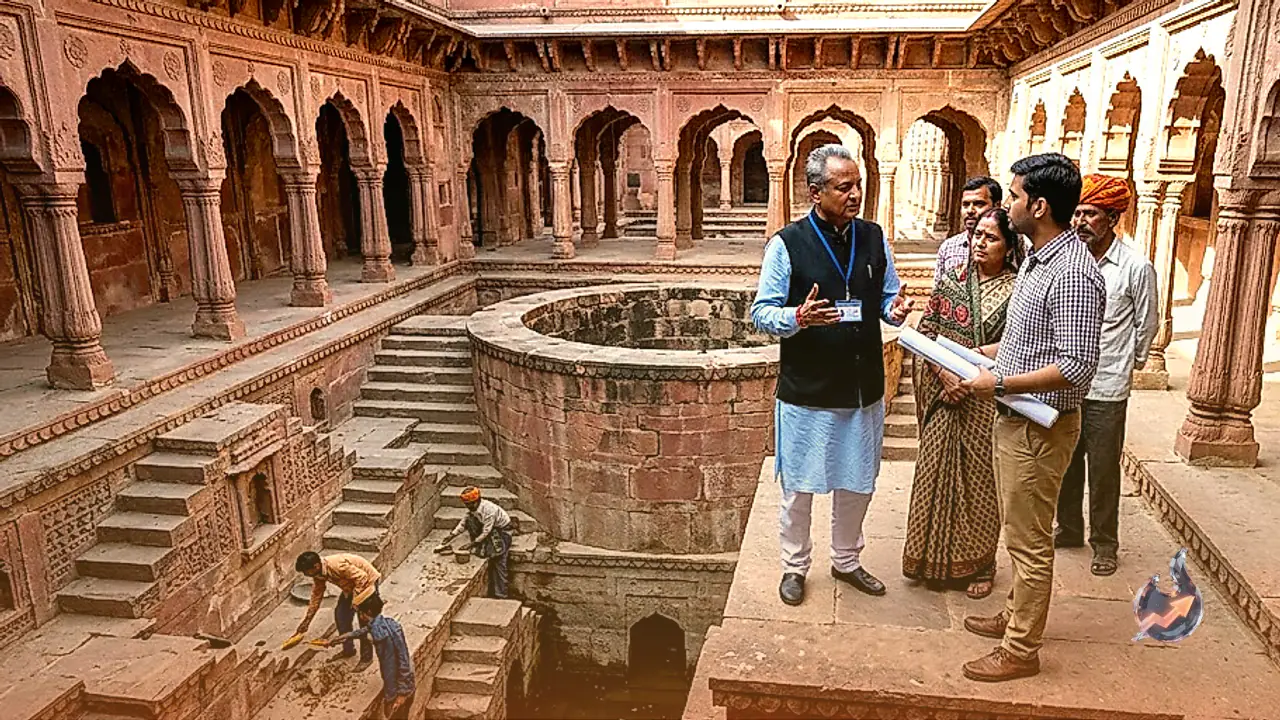
Jaav Ki Bawari is far more than a traditional architectural relic; it represents the sophisticated indigenous water management techniques developed in arid western Rajasthan. For centuries, stepwells served as vital lifelines by capturing and storing seasonal rainwater. Following initial restoration efforts, the site was developed into a localized model for rainwater harvesting and water conservation. By retaining runoff during the monsoon season, the stepwell has helped recharge local groundwater tables, demonstrating how historic structures can address modern water scarcity challenges alongside serving as cultural landmarks.
Community Drive Removed 200 Trolleys of Waste
Prior to community intervention, Jaav Ki Bawari had fallen into severe disrepair due to decades of official neglect, becoming choked with debris and waste. Reversing this trajectory, the Kuchaman Vikas Samiti launched an ambitious restoration campaign funded entirely through private resources and public donations. During the intensive cleanup drive, volunteers and workers extracted approximately 200 trolley loads of accumulated garbage, plastic, and silt from the stepwell's deep basin and ornate staircases. Subsequent repair work, structural reinforcement, thorough cleaning, and aesthetic enhancements completely revitalized the structure, transforming a neglected pit into a pristine heritage monument.
National Recognition from Prime Minister Narendra Modi
The extraordinary community effort to revive Jaav Ki Bawari garnered praise at the highest level of government. Prime Minister Narendra Modi publicly appreciated the dedicated efforts of the Kuchaman Vikas Samiti and local citizens for setting a benchmark in community-driven heritage and water conservation. This national recognition elevated the status of the stepwell. With the Rajasthan government now launching its heritage adoption scheme, local stakeholders remain confident that formal inclusion will secure permanent maintenance, boost local tourism, and educate future generations on ancient water harvesting methods.