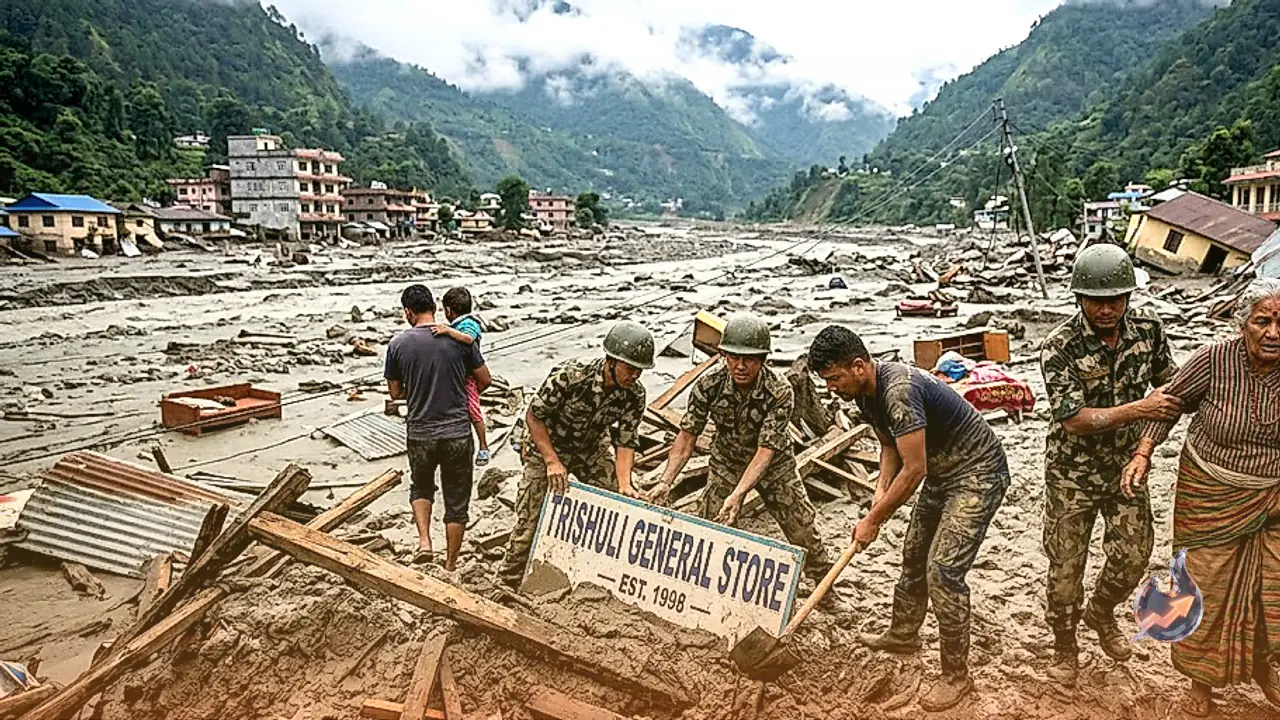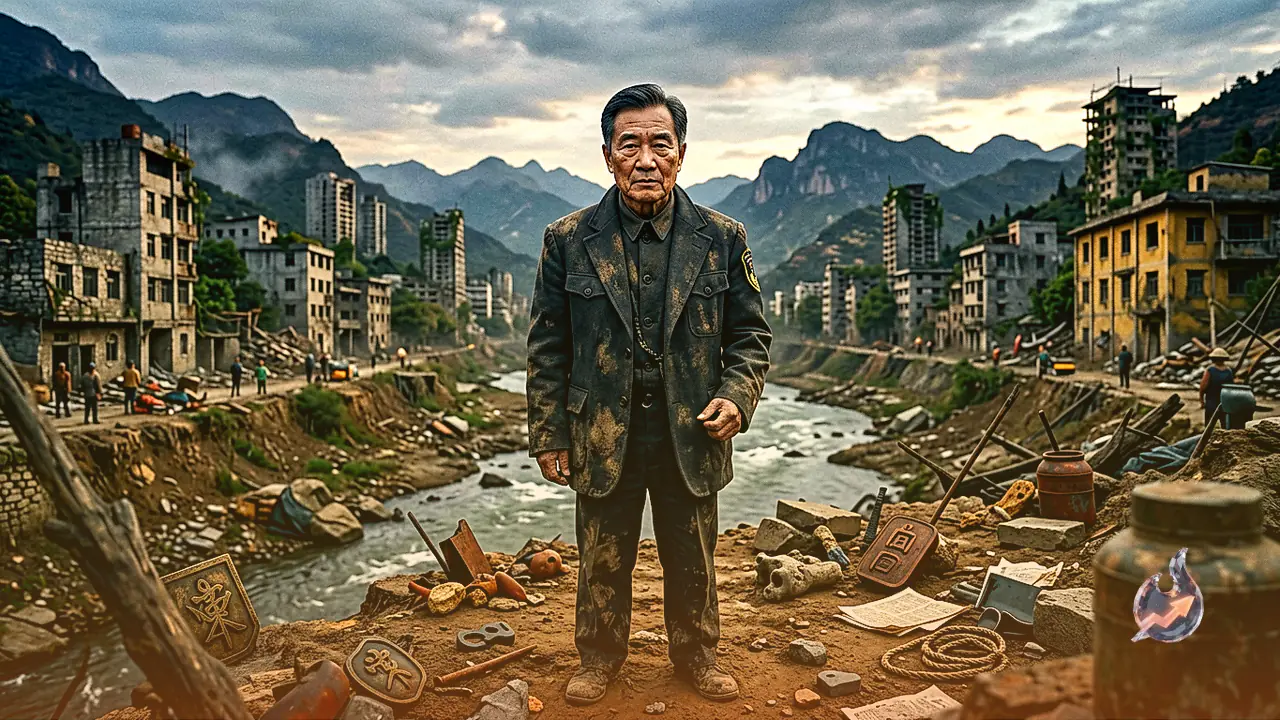


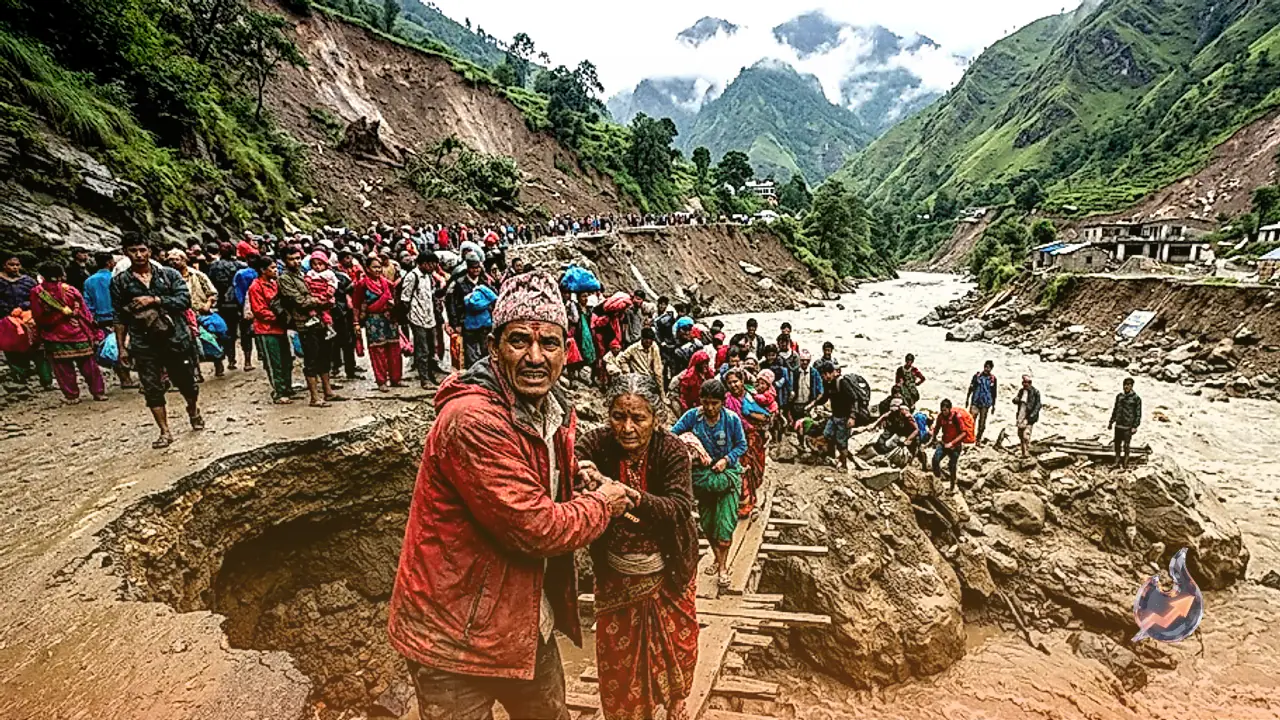















Devastating floods struck Nepal on 26 August, drastically altering the landscape of the mountainous region, with Rasuwa district bearing the brunt of the destruction. Parts of the highway connecting Kathmandu were swallowed by the Bhotekoshi River, while other stretches were buried beneath thick layers of debris and silt. When rescue teams and relief workers set out to reach ground zero in Rasuwa, they faced extreme hazards along the 190-kilometer journey from Kathmandu. Although the distance may appear manageable on a map, ground realities proved entirely different, taking nearly 16 hours just to reach Dhunche village, situated 30 kilometers before Rasuwa.
Ten thousand stranded and tunnel buried under silt
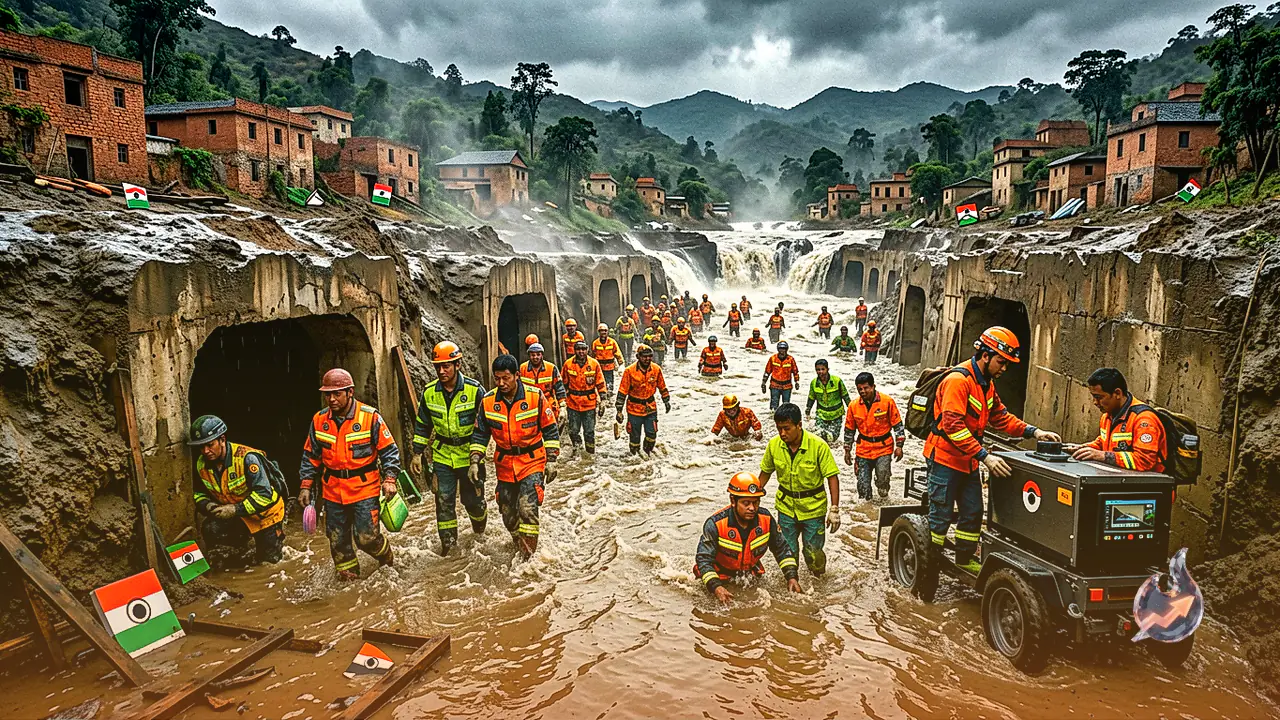
In Rasuwa, which has a population of around 46,000, roughly 10,000 people remain stranded and are being evacuated using helicopters. Moving 11 kilometers past Dhunche, rescue personnel reached the Chilime tunnel, where approximately 150 meters of mud and silt have accumulated along the mountainside above the structure. Six workers who were inside the tunnel when the disaster struck are still unaccounted for, having rushed inside for shelter alongside locals when the warning was issued. Nepal Army personnel and Simrik Air's mountaineering rescue team have deployed heavy machinery and specialized equipment to clear the blockage and push deeper into the tunnel.
Heartbreaking accounts from survivors
The disaster left behind numerous harrowing stories of survival and loss. Liza Raut recalled that she was working in her fields when she heard a deafening rush of water and boulders, only to watch in horror as the flood swept away the four-storey house she had spent her lifetime building. Another survivor, Umesh, described the floodwaters moving with the speed of a bullet train, obliterating everything in just two or three minutes. While most of his family survived, one of his aunts remains missing, and an acquaintance was later found dead. In Syafrubesi, Amrit was rescued by helicopter after six days, noting that over 150 workers from his hydropower project are still missing, while Yuvraj Sarkey spent six days stranded in a forest without food, sleeping atop an uncompleted building roof.
Overwhelmed hospitals and cut-off mountain communities
At the district hospital in Dhunche, senior nurse Shobha Naupane reported an unprecedented influx of injured patients, many of whom arrived covered in thick mud, making identification nearly impossible. With roads destroyed and communications disrupted, referring critical patients to Kathmandu proved exceedingly difficult. The flooding completely wiped out the crucial trade corridor leading to the Rasuwa-Gyirong border, through which goods from China regularly entered Nepal. According to Chief District Officer Narendra Pariyar, Gosainkunda, Uttargaya, Aamachhodingmo, Kalika, and Naukunda rural municipalities have been completely isolated, alongside the Langtang area, which is home to 116 households and nearly 450 residents.
Massive economic losses and missing pilgrims
Tourism and cross-border trade suffered severe blows, with 644 tourists linked to the Kailash Mansarovar pilgrimage reported missing. Furthermore, more than 300 traders, container drivers, and commercial workers remain unaccounted for, alongside 15 customs office employees. Roughly 70 to 75 cargo containers loaded with festive goods and supplies destined for Kathmandu were swept away or buried under debris, resulting in financial losses running into billions of rupees as rescue and relief operations involving international agencies and the Nepal Army continue.