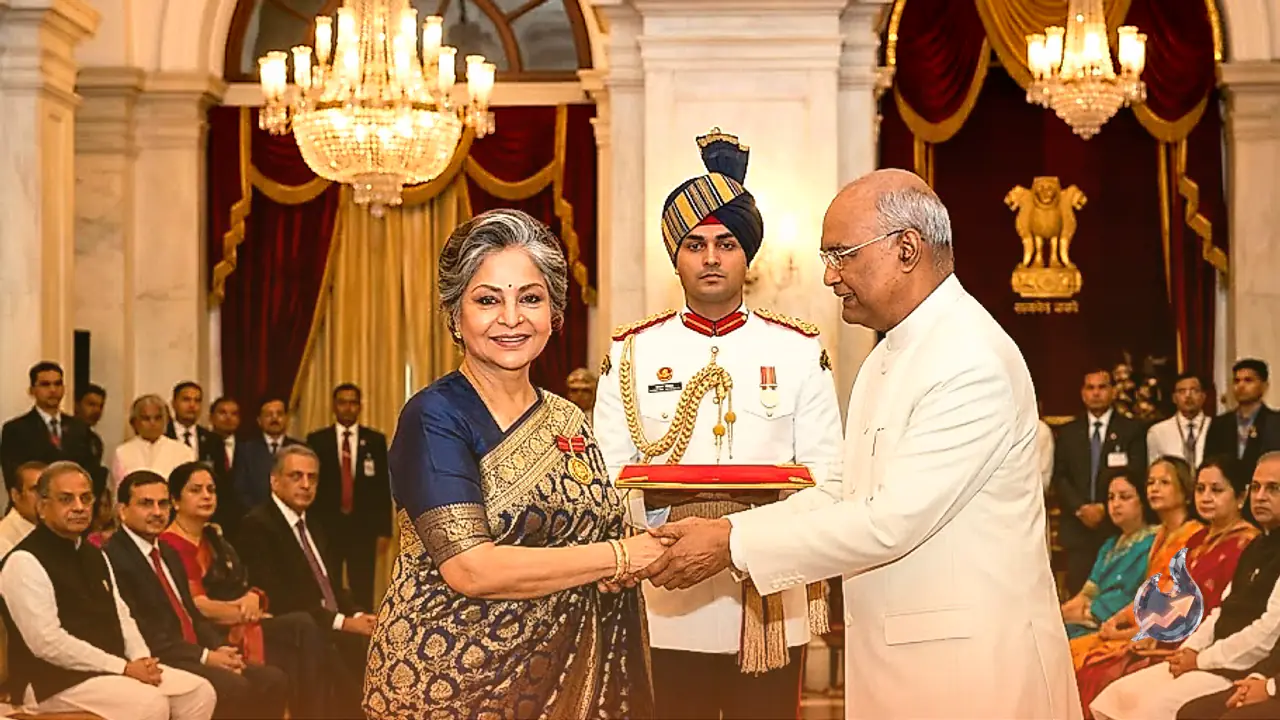























In this detailed Batwara 1947 review, viewer reactions across social media highlight how director Rajkumar Santoshi and iconic actor Sunny Deol have once again struck an emotional chord with moviegoers. Historically, whenever this filmmaker-actor duo has collaborated, Indian cinema has received deeply impactful narratives. Upon its theatrical release, the film has sparked overwhelming positive sentiment, with audiences praising Sunny Deol's layered performance, his screen presence alongside Preity Zinta, and Karan Deol's noticeable acting evolution.
Sunny Deol Moves Away From Action to Raw Vulnerability
While audiences are accustomed to witnessing Sunny Deol deliver loud dialogues and intense action sequences on screen, his quietness and helplessness in this historical drama have left the strongest impression on fans. Social media reviews note that many entered expecting classic high-decibel outbursts, but were instead moved by his sensitivity and silent emotional intensity. Viewers observed that his character's transition from anger to sheer helplessness proves far more impactful than any grand action sequence. Several moviegoers went as far as calling it one of the finest performances of his career, asserting that his emotional depth makes him deserving of major acting honors.
Lahore Setting of 1947 and Layered Character Writing
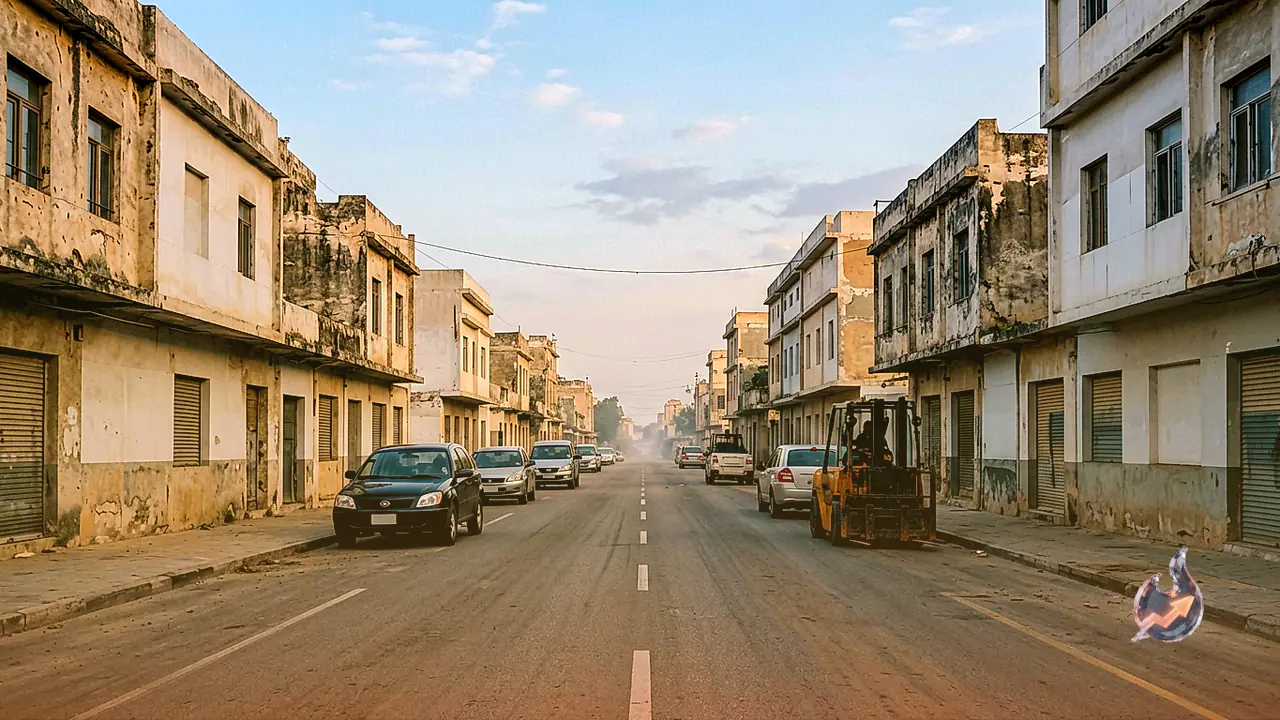
The narrative of the film unfolds against the backdrop of Lahore during the 1947 Partition, portraying the pervasive fear, displacement, and insecurity experienced by ordinary citizens. Inspired by Asghar Wajahat's acclaimed play 'Jis Lahore Nai Vekhya, O Jamya I Nai', the plot centers around Sunny Deol as Sikandar, Shabana Azmi as Mai, and Preity Zinta as Hamida. The character writing has received substantial praise for its depth and progression. While the flaws of Sikandar and Hamida might slightly agitate the audience during the first half, the second half builds such strong empathy that viewers feel genuinely protective of them by the climax.
Karan Deol's Breakthrough Performance and Ensemble Support
Beyond the veteran lead, Karan Deol's performance has drawn constructive attention from viewers. Audience feedback highlights that he stands out on screen through his own effort rather than relying solely on his legacy. Observers noted that his dialogue delivery carries quiet conviction rather than unnecessary shouting, offering him a solid platform to prove his artistic identity. Additionally, Preity Zinta and Sunny Deol deliver deeply layered, heart-warming performances that elevate the emotional quotient of the film.
Powerful Messages of Humanity and Audience Verdict
Filmgoers emphasize that the project treats the 1947 Partition not merely as a tragic historical date, but through the poignant lens of human relationships and shared empathy. One specific line from the film has resonated widely among viewers across forums.
Hatred can change borders, not humanity.
Overall, viewer response signals that the movie succeeds on the strength of its emotional storytelling, directorial authority, and moving lead performances.