

















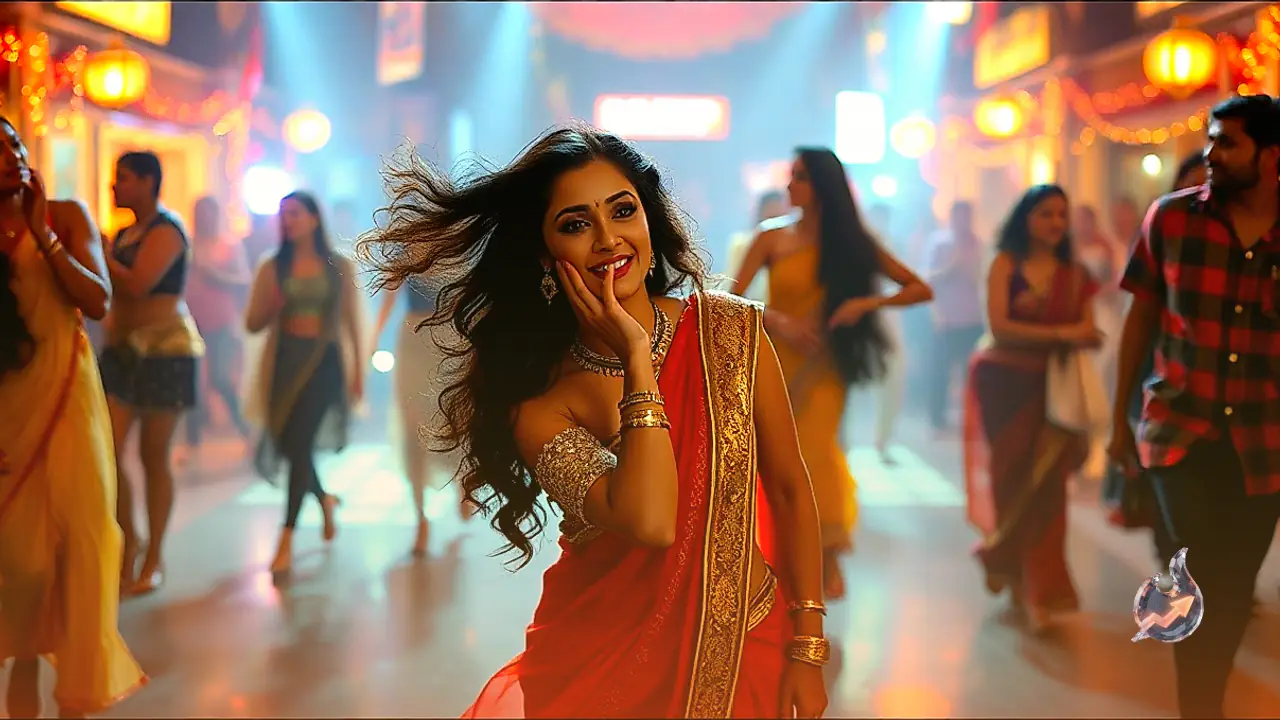

Music and dance have long served as vital components of Hindi cinema's storytelling and commercial appeal. Decades ago, when high-energy dance sequences appeared on the big screen, audiences knew them as cabaret numbers or vamp dances. Over time, the vocabulary of Bollywood underwent a major transformation, introducing the term item song or item number to describe these standalone musical spectacles. Today, while the phrase is deeply embedded in Indian pop culture, the specific shift from classic cabaret to the modern item song is linked directly to a blockbuster track from a 1999 Hindi feature film. From iconic 20th century classics like Monica Oh My Darling and Aao Huzoor Tumko Sitharon Mein Le Chalun to contemporary dance hits, this evolution reflects changing audience tastes, music marketing dynamics, and star power in the film industry.
The Era of Cabaret and Vamp Performances: 1950s to 1990s
From the 1950s through the 1980s and into the 1990s, Hindi feature films followed a distinct structural pattern for special dance performances. During this classic period, lead actresses rarely participated in seductive or fast-paced dance tracks. Instead, filmmakers created dedicated characters, often referred to as vamps, specifically designed to perform these numbers. Legendary dancer and actress Helen became the most iconic symbol of this tradition. Her electrifying cabaret sequences became major highlights of Indian cinema, prompting moviegoers to visit theaters specifically for her screen appearances. Following Helen's benchmark, acclaimed performers like Bindu and Aruna Irani also delivered celebrated dance sequences within this genre.
These tracks served a purpose beyond standalone entertainment, as they were woven directly into the narrative structure. The vamp character represented a world contrasting sharply with the traditional values of the lead protagonists, and her cabaret performance expressed that specific persona. Consequently, cabaret was not merely understood as a dance form, but as a distinct cinematic device and character archetype within mainstream Hindi cinema.
Shift in Music Markets and the Rise of Star-Driven Dance Numbers
Toward the late 1990s, the Indian film industry experienced structural changes in its music distribution and star system. Special dance tracks were no longer confined to supporting characters or vamps. Major lead actresses began fronting these high-octane sequences, and songs like Chhamma Chhamma demonstrated that a hit musical number could serve as the primary marketing engine for a film's theatrical release.
During this transitional period, entertainment journalists and industry insiders began using the term item number in informal conversations. The phrase gradually gained traction to describe tracks created primarily for promotional momentum and audience engagement rather than direct narrative progression.
The 1999 Film Shool and the Phenomenon of UP-Bihar Lootne
The year 1999 marked a decisive turning point in how Indian media and audiences defined these musical numbers. The acclaimed film Shool featured a vibrant dance track titled Dil Walon Ke Dil Ka Karaar Lootne, Main Aayi Hoon UP-Bihar Lootne. Featuring actress Shilpa Shetty as the primary dancer, the song was rendered by playback singers Sapna Awasthi and Chetan Shashital. The music was composed by the musical trio Shankar-Ehsaan-Loy, with lyrics penned by veteran lyricist Sameer.
Shilpa Shetty's energetic performance and rustic dance moves resonated strongly with audiences across the country, transforming the song into a massive hit. Following the widespread success of this 1999 track, mainstream media outlets formally coined and popularized the terms item number and item girl. Prior to the release of Shool, these specific terms were not part of public or journalistic discourse, making this release the official catalyst for the new terminology in Hindi cinema.
Unscripted Choreography and Behind-the-Scenes Insights
An intriguing aspect of the track lies in its production process. Choreographer Ahmed Khan opted against creating a strictly rehearsed routine for the song. Instead, he instructed Shilpa Shetty to improvise her steps by locking onto the song's fast rhythm and expressing her natural flair and movement. Her spontaneous interpretation produced one of the most memorable dance routines of that era.
Additionally, playback singer Sapna Awasthi was unaware during the recording session that Shilpa Shetty would be performing to her vocals. In a subsequent interview, Sapna Awasthi shared that given the folk quality of her voice, she had assumed the track would be picturized on a background dancer or side artist. She had previously sung the hit number Chhaiya Chhaiya, which featured a famous dance sequence by Malaika Arora atop a moving train. Ultimately, the evolution from cabaret to item song mirrors broader shifts in female characterization, celebrity influence, music sales, and film promotion strategies across Bollywood history.
Context of the National Award-Winning Film Shool
Beyond its landmark musical contribution, the 1999 film Shool remains a celebrated work of hard-hitting realistic cinema. The story centers on Inspector Samar Pratap Singh, an upright and unyielding police officer fighting systemic corruption and crime. Actor Manoj Bajpayee delivered a powerful performance in the lead role under the direction of Eeshwar Nivas, with filmmaker Ram Gopal Varma serving as the writer and producer.
Known for its intense narrative and emotional climax, Shool earned critical acclaim and won the prestigious National Film Award for Best Feature Film in Hindi. The track's lasting legacy highlights how a single musical creation can redefine industry terminology while remaining anchored to a critically honored cinematic work.