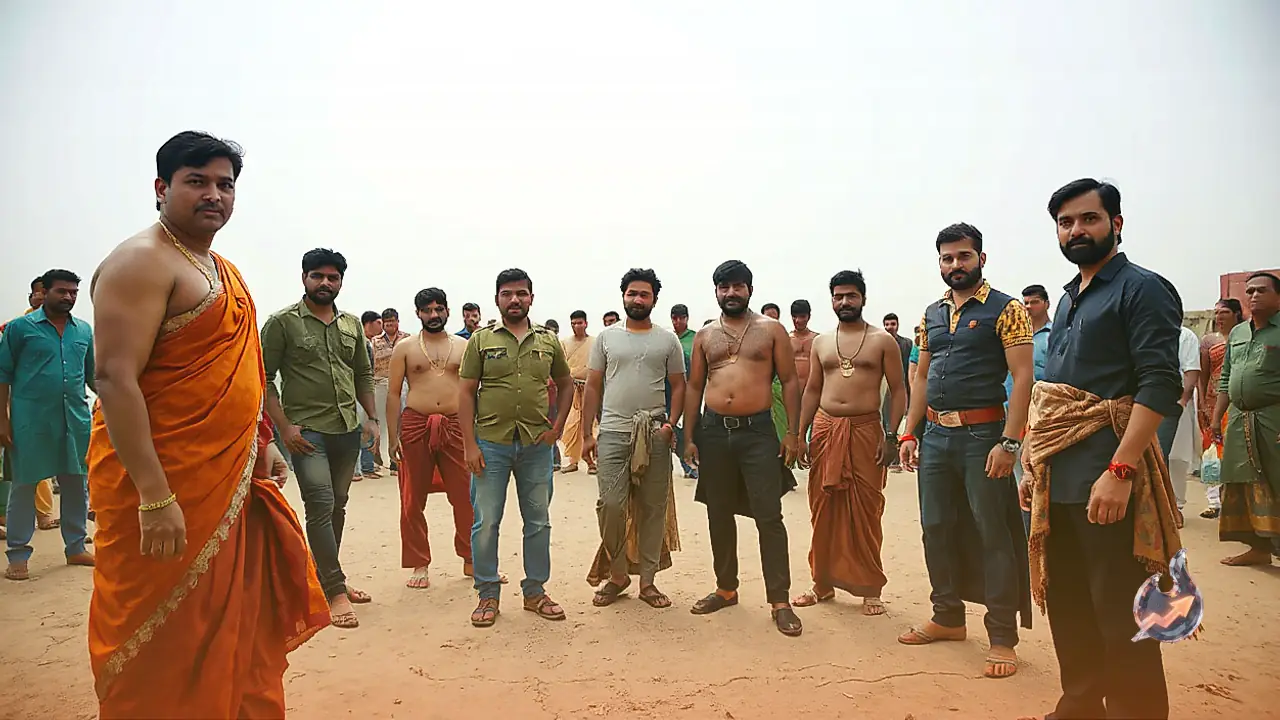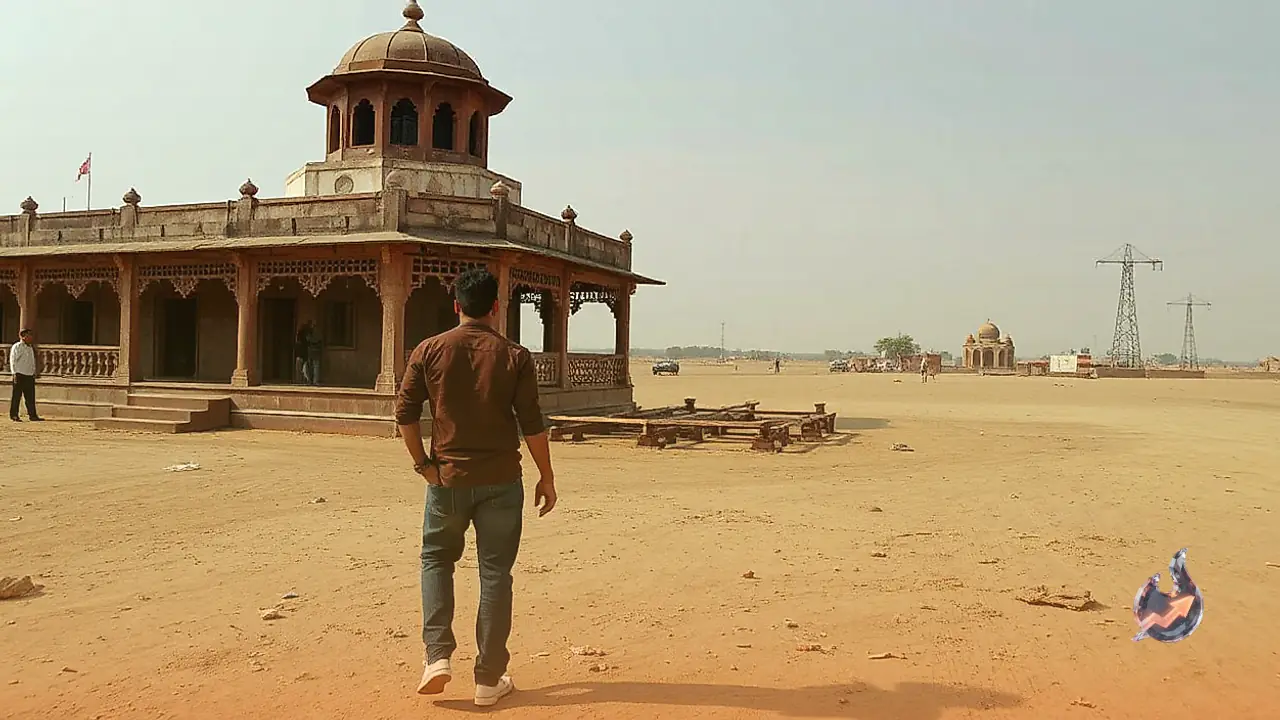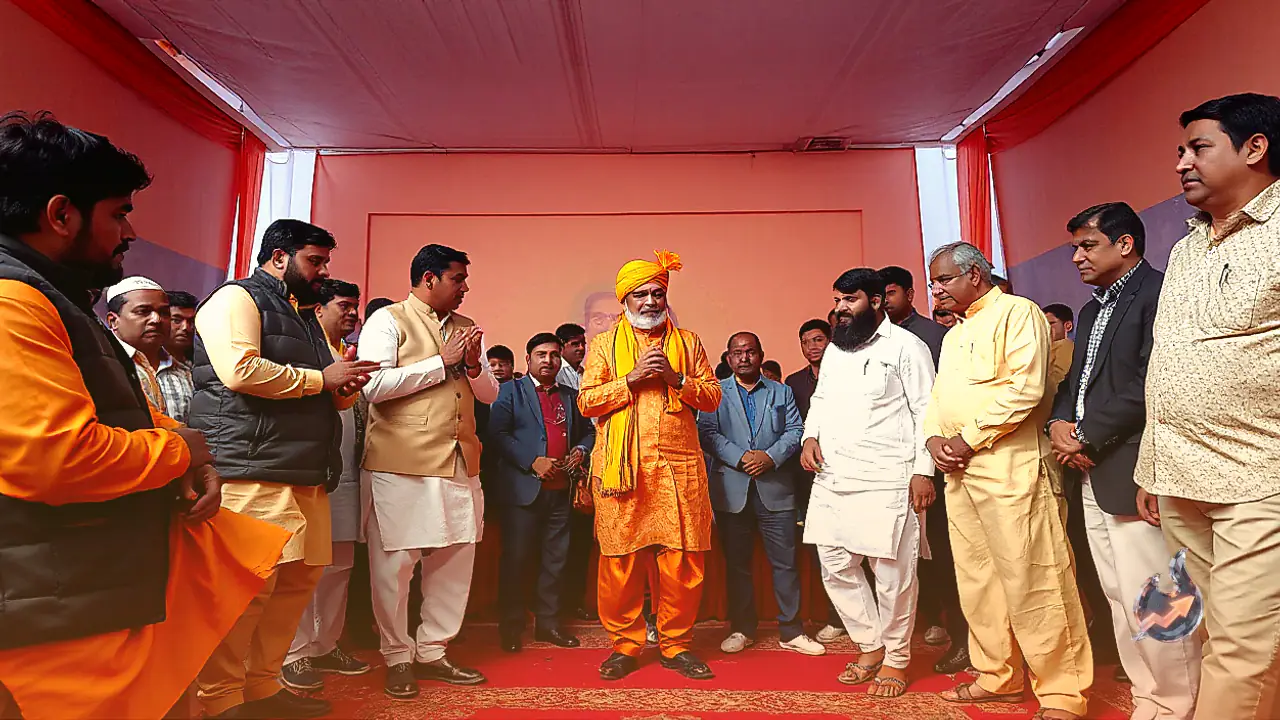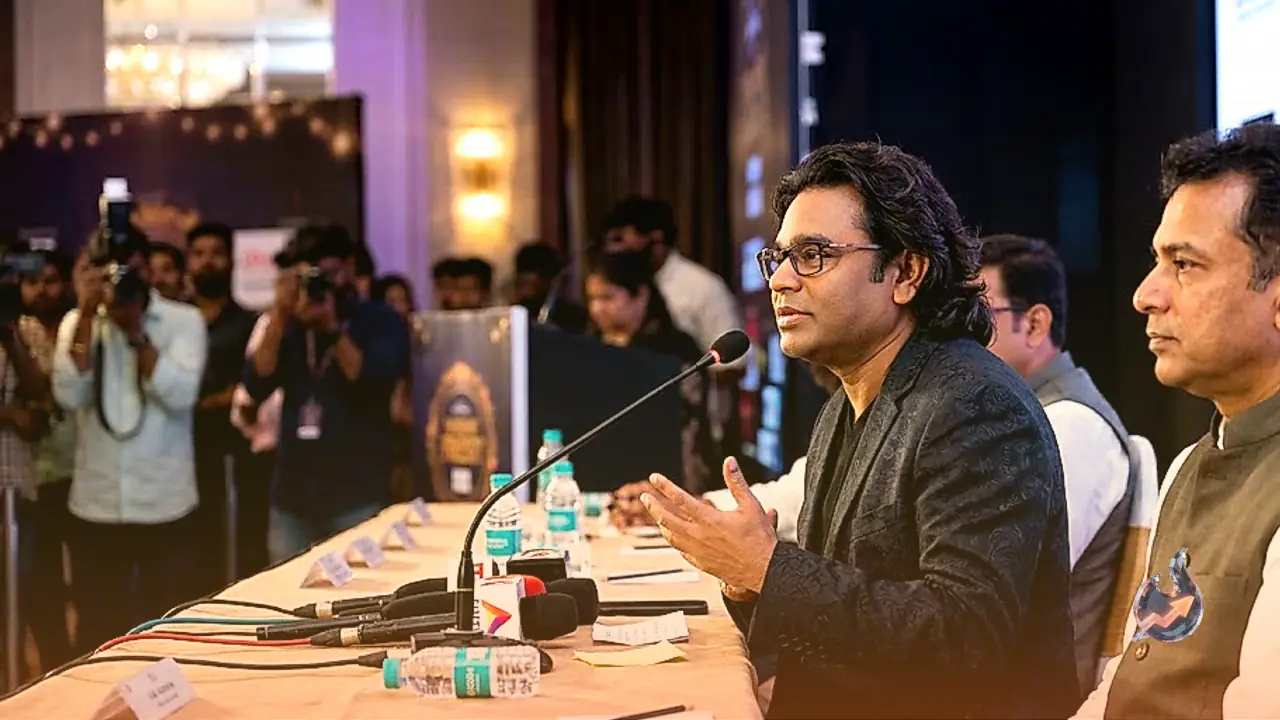



















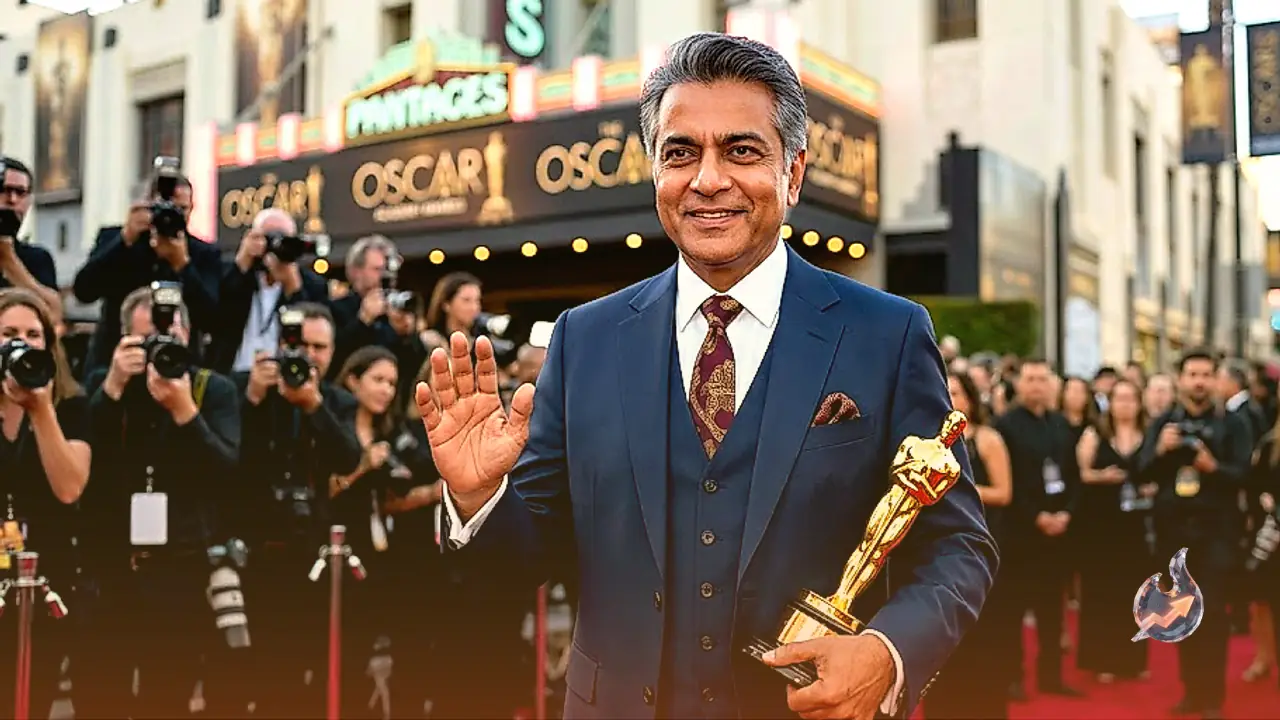

The life journey of Mehboob Khan, one of the most celebrated figures in Indian cinematic history, reads like an inspiring movie script in its own right. From hammering horseshoes in a Mumbai stable to taking India's first official entry to the doorstep of the Academy Awards, his story stands as a testament to unyielding passion, extraordinary resilience, and creative vision. By helming the 1957 cinematic masterpiece Mother India, Khan not only earned global recognition for Indian cinema but also transformed how real social issues, rural hardship, and female fortitude were portrayed on the big screen.
From Stable Work to the Golden Era of Silent Cinema
Driven by a childhood dream of working in motion pictures and pursuing acting, a young Mehboob Khan left his home in Gujarat and traveled to Mumbai. However, his initial days in the city of dreams were filled with intense financial hardship and uncertainty. In Mumbai, he crossed paths with Noor Mohammad, who supplied horses for movie productions. Recognizing Khan's desperate need for work, Noor Mohammad employed him in his stable to fit iron horseshoes. Day in and day out, despite engaging in gruelling manual labor alongside horses, Khan never allowed his passion for storytelling to fade.
His breakthrough into the studio world occurred when he walked onto an active film set during a shooting schedule and boldly expressed his earnest desire to work in movies. Impressed by his dedication and zeal, the studio team offered him entry-level utility jobs. He gradually stepped into the industry during the silent film era, taking on roles as a background extra and assistant. Performing small parts in front of the camera allowed him to carefully observe and master behind-the-scenes filmmaking, including camera craft, lighting setups, and scene orchestration.
Directorial Debut and Pioneering Social Cinema
Having absorbed the intricate mechanics of movie production, Mehboob Khan made his transition to the director's chair. In 1935, he secured his debut directorial assignment with the film Al Hilal. The project showcased his natural talent for narrative pacing and visual composition, establishing him as a promising filmmaker. Over the following years, he directed a succession of notable films, including Deccan Queen, Ek Hi Rasta, Alibaba, Aurat, and Bahen.
What set Khan's work apart from contemporary commercial releases was his deep focus on social themes. He placed the struggles of ordinary people, rural poverty, complex family dynamics, and systemic societal issues at the core of his narratives. Crucially, during an era when female roles were frequently relegated to secondary status, Khan portrayed women as resilient, dignified, and central to the story. His 1940 release Aurat emerged as a seminal achievement in his career, laying the creative groundwork for his greatest masterpiece years later.
Crafting 'Mother India' and the Historic Oscar Journey
Seventeen years after releasing Aurat in 1940, Mehboob Khan resolved to revisit its powerful story on an unprecedented scale. Released in 1957, this ambitious reimagining materialized as Mother India. To bring his grand vision to life, Khan took immense financial gambles, accumulating substantial debt to cover production expenses.
Featuring legendary actress Nargis in the iconic lead role of Radha, alongside stellar performances by Sunil Dutt, Rajendra Kumar, and Raaj Kumar, Mother India resonated deeply with audiences nationwide. When the film achieved international acclaim and became India's nomination for the Best Foreign Language Film at the Academy Awards, Khan lacked even basic funds to travel to the United States for an Oscar campaign. Despite missing the Academy Award by a razor-thin margin of just a single vote, Mother India firmly etched Indian cinema onto the international stage. Domestically, it swept the Filmfare Awards, winning Best Film and Best Director, cementing Khan's status as a master filmmaker.
Establishing Mehboob Studio, 'India's DeMille' Title, and Final Years
Prior to Mother India, Khan had already built a reputation as a heavyweight director through major box-office successes such as Andaz, Aan, and Amar. His knack for scale, dramatic flair, and technical innovation drew frequent comparisons to Hollywood legend Cecil B. DeMille, culminating in an official biography titled Mehboob: India's DeMille.
In the 1940s, he launched his production banner, Mehboob Productions. Later, in 1954, he founded the iconic Mehboob Studio in Bandra, Mumbai, which remains a landmark hub for Indian filmmaking. In recognition of his monumental contributions to cinema, the Government of India honored him with the Padma Shri award in 1963. Although his subsequent project after Mother India—the 1962 film Son of India—could not replicate the unmatched success of his epic, his artistic legacy remained unshakeable. On May 28, 1964, Mehboob Khan passed away following a heart attack at the age of 56.