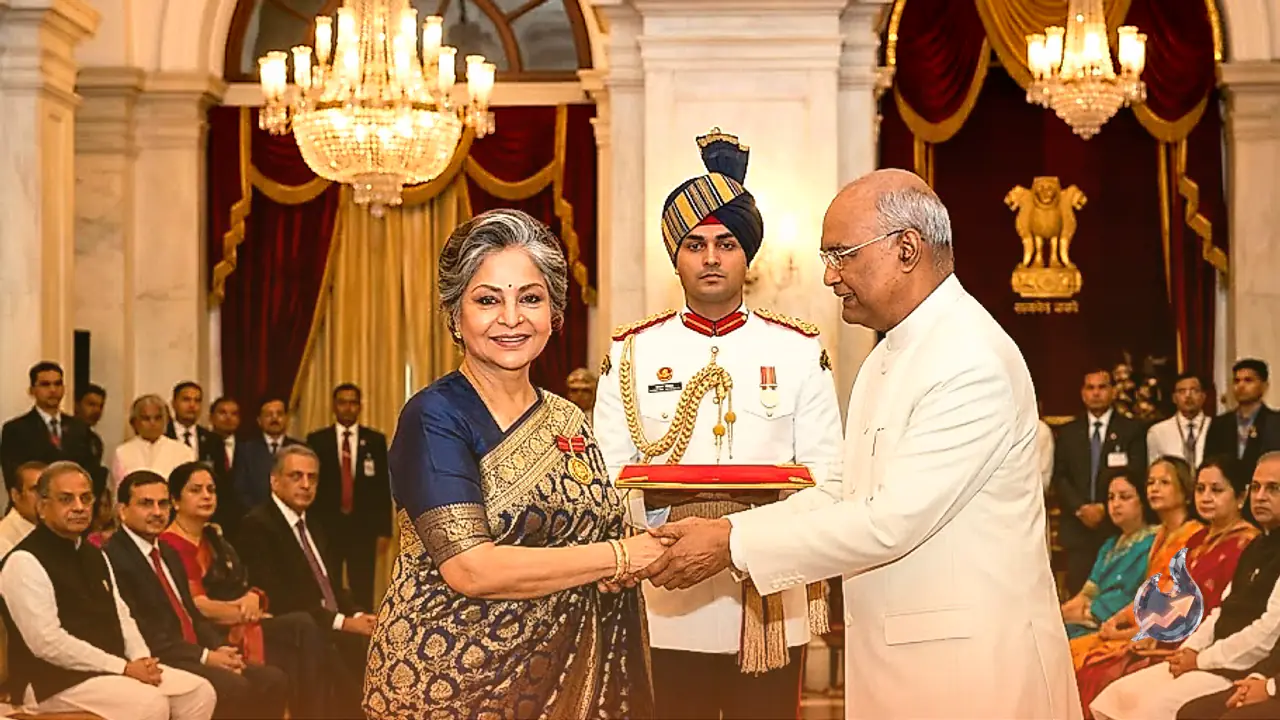
















In the chronicle of Indian cinema, lyricist Sahir Ludhianvi and playback singer Lata Mangeshkar stand as foundational figures whose joint efforts produced timeless compositions. Sahir Ludhianvi entered the film industry in 1949 and gained widespread recognition through the film Naujawan, featuring music composed by SD Burman. In that project, Lata Mangeshkar lent her voice to the track Thandi Hawaayein Lehra Ke Aayein, a rendition that contributed significantly to the song's massive popularity. However, despite their shared success, a clash of creative principles during a recording session created a major professional rift that separated both artists for over a year.
The Argument During Sardar Malik's Recording
The dispute unfolded during a recording session managed by composer Sardar Malik. Sahir Ludhianvi had written the lyrics for a new composition that Lata Mangeshkar was set to sing. While rehearsing the track, Lata experienced difficulty with certain words and asked Sahir to replace them with simpler phrasing. Sahir, deeply committed to the exact rhythm and poetic integrity of his original lines, firmly rejected the request to modify his text.
As tension escalated between the writer and the vocalist, Sardar Malik attempted to mediate the situation. He advised Sahir to accommodate Lata's request, arguing that any song she performed routinely turned into a superhit. This reasoning deeply offended Sahir. Standing firm on his artistic independence, Sahir declared that if anyone believed his lyrics relied solely on her voice to succeed, Lata would no longer sing his songs from that day forward, asserting that his written poetry did not depend on any single singer to find success.
A Separation Across Major 1957 and 1958 Releases
Offended by Sahir's remarks, Lata Mangeshkar left the studio, initiating a period of nearly one to one and a half years during which neither artist collaborated with the other. Reports indicate this rift occurred around 1957 and 1958. Consequently, major films released in 1957 such as Pyaasa and Naya Daur featured iconic lyrics by Sahir, yet none of those tracks were sung by Lata. Similarly, the 1958 release Phir Subah Hogi contained Sahir's songs without Lata's involvement. Despite her absence, Sahir's written songs continued to achieve immense success across music charts.
Reconciliation and the Iconic Recording for Sadhna
Recognizing the unmatched synergy created when Sahir's poetry met Lata's vocals, film directors and composers actively worked to resolve the dispute. Their efforts brought both artists together for a mutual settlement, ending the standoff. Sahir later acknowledged their renewed relationship, emphasizing that both held equal standing in the industry as close friends. Following their reconciliation, Lata Mangeshkar recorded Sahir's celebrated poem Aurat Ne Janam Diya Mardon Ko, Mardon Ne Use Bazaar Diya for the 1958 film Sadhna, creating one of the most powerful compositions in Hindi film history.